
Former Prime Minister Manuel Valls Visits Israel
Between January 11 and 16, 2026, ELNET hosted former French Prime Minister Manuel Valls for a high-level visit to Israel.
Between January 11 and 16, 2026, ELNET hosted former French Prime Minister Manuel Valls for a high-level visit to Israel.
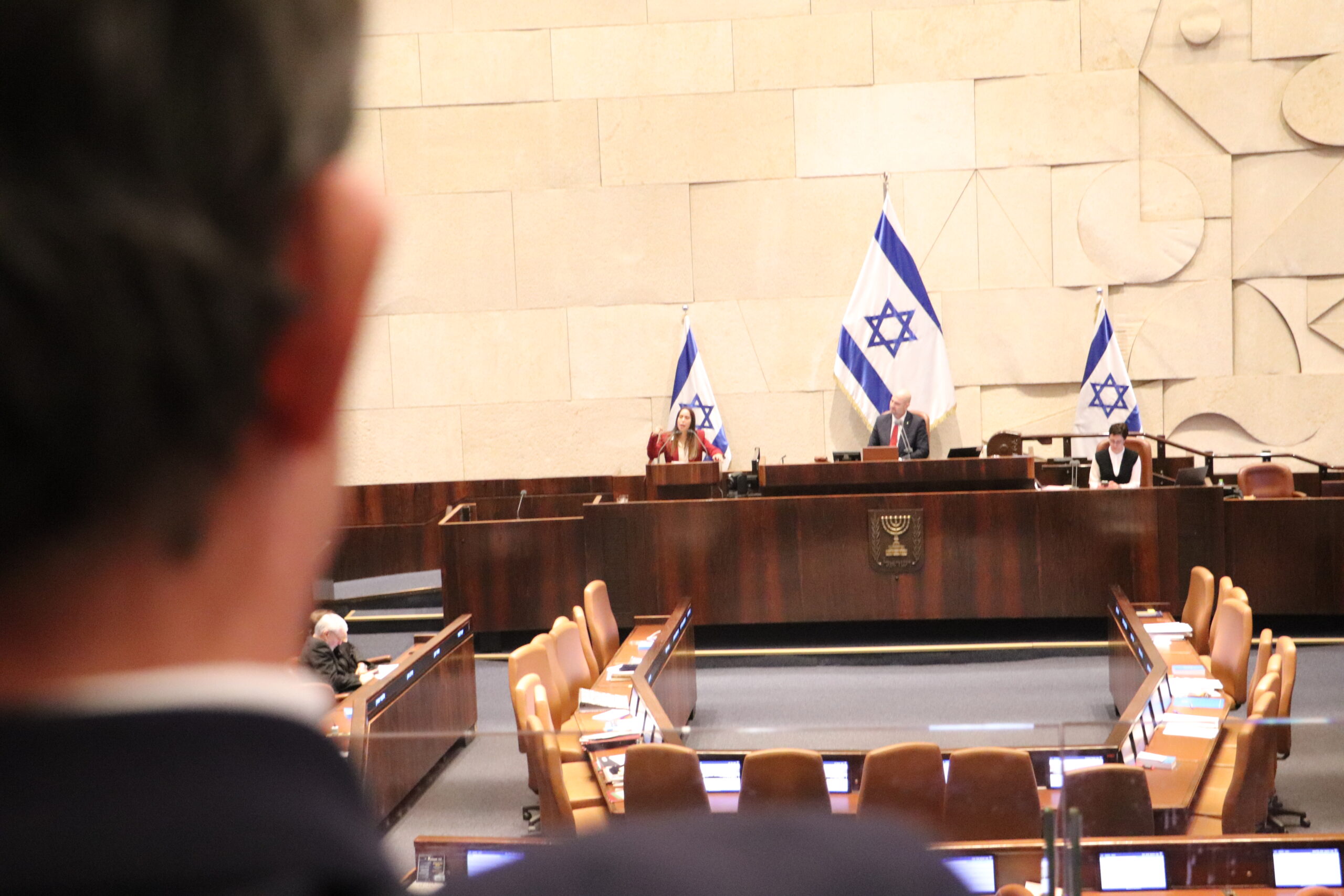
UK Lawfare Delegation – October 2025

Read about ELNET’s Women Mission and its impact.
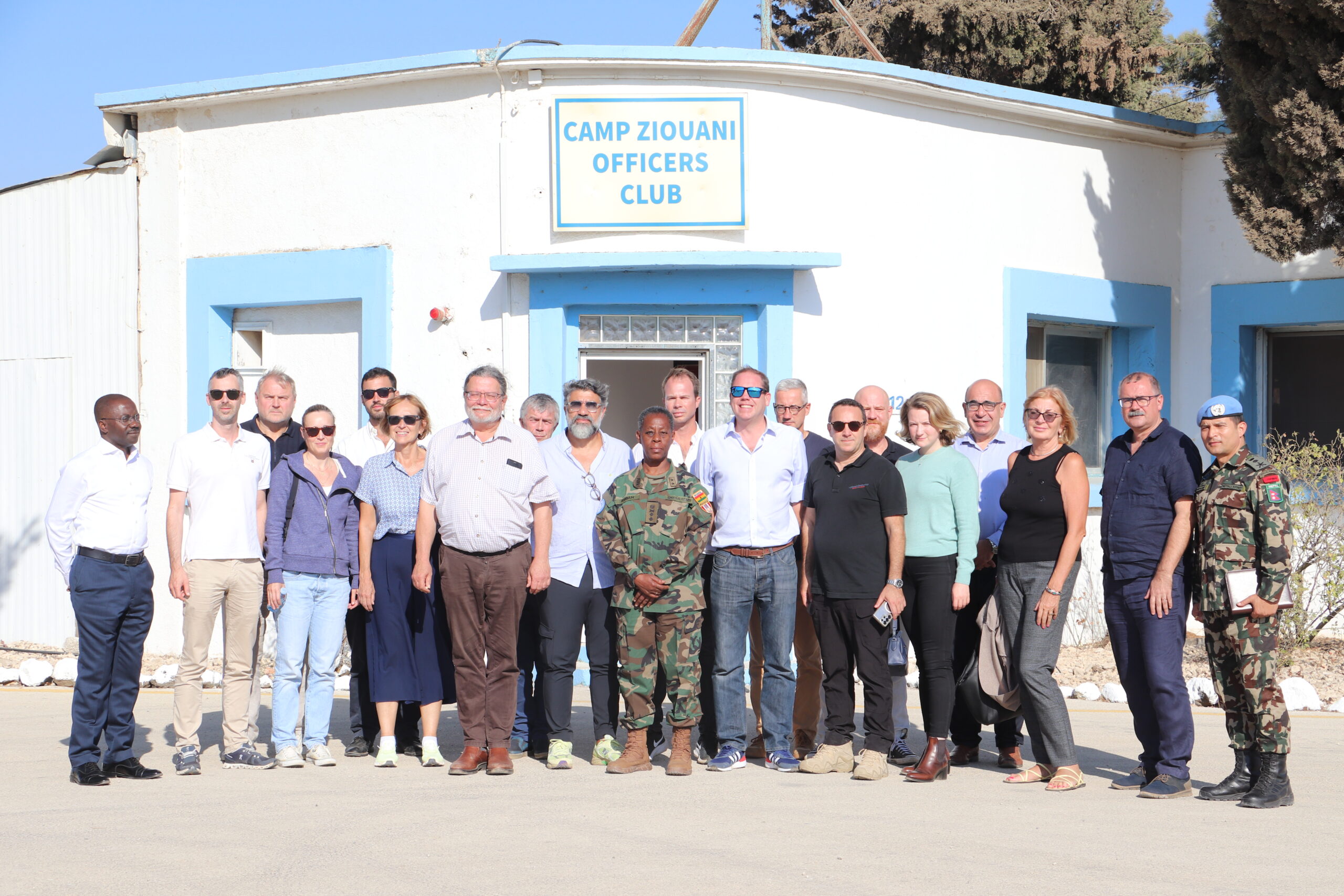
ELNET’s Joint Defense Delegation – September 2025
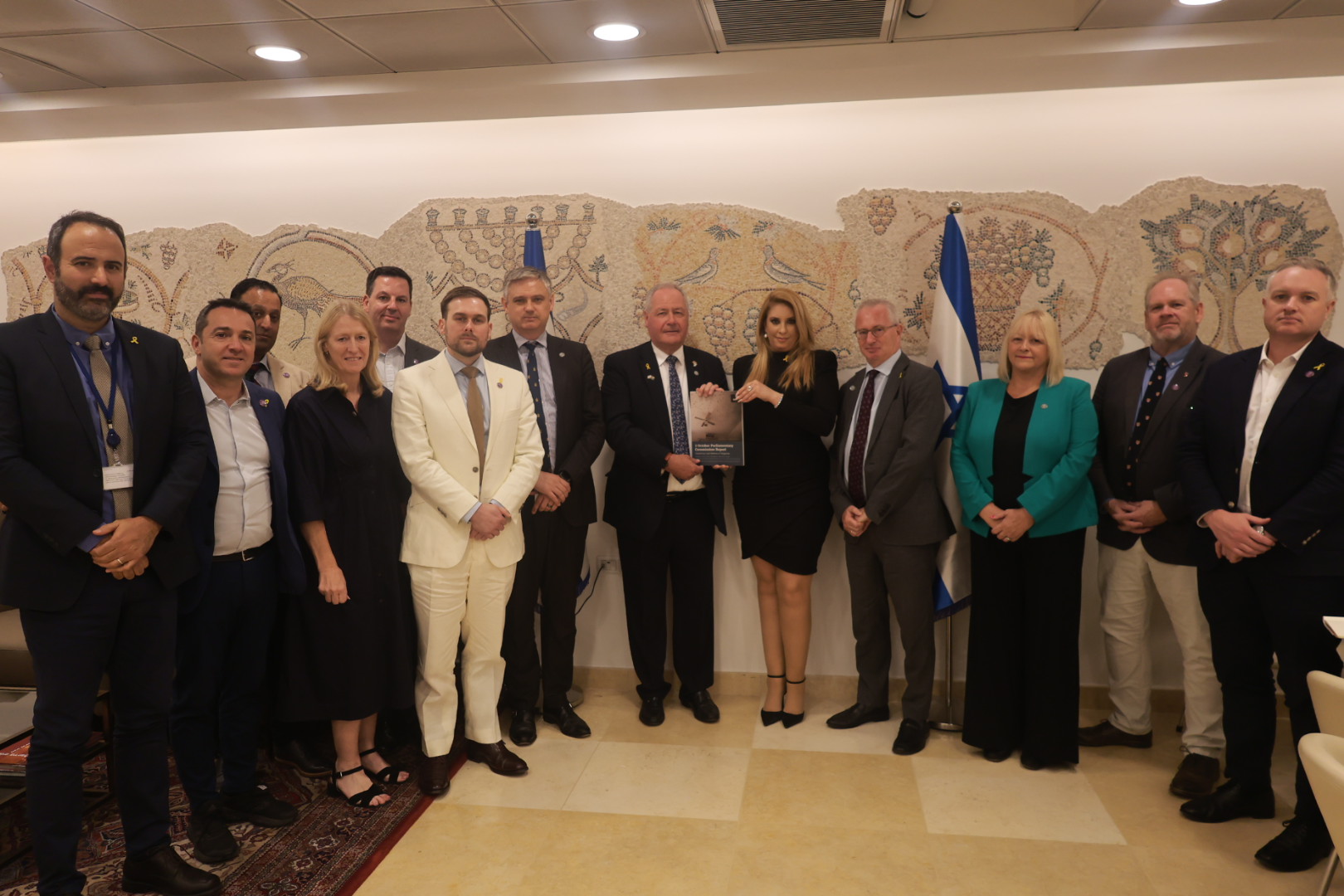
UK Counterextremism Delegation – July 2025
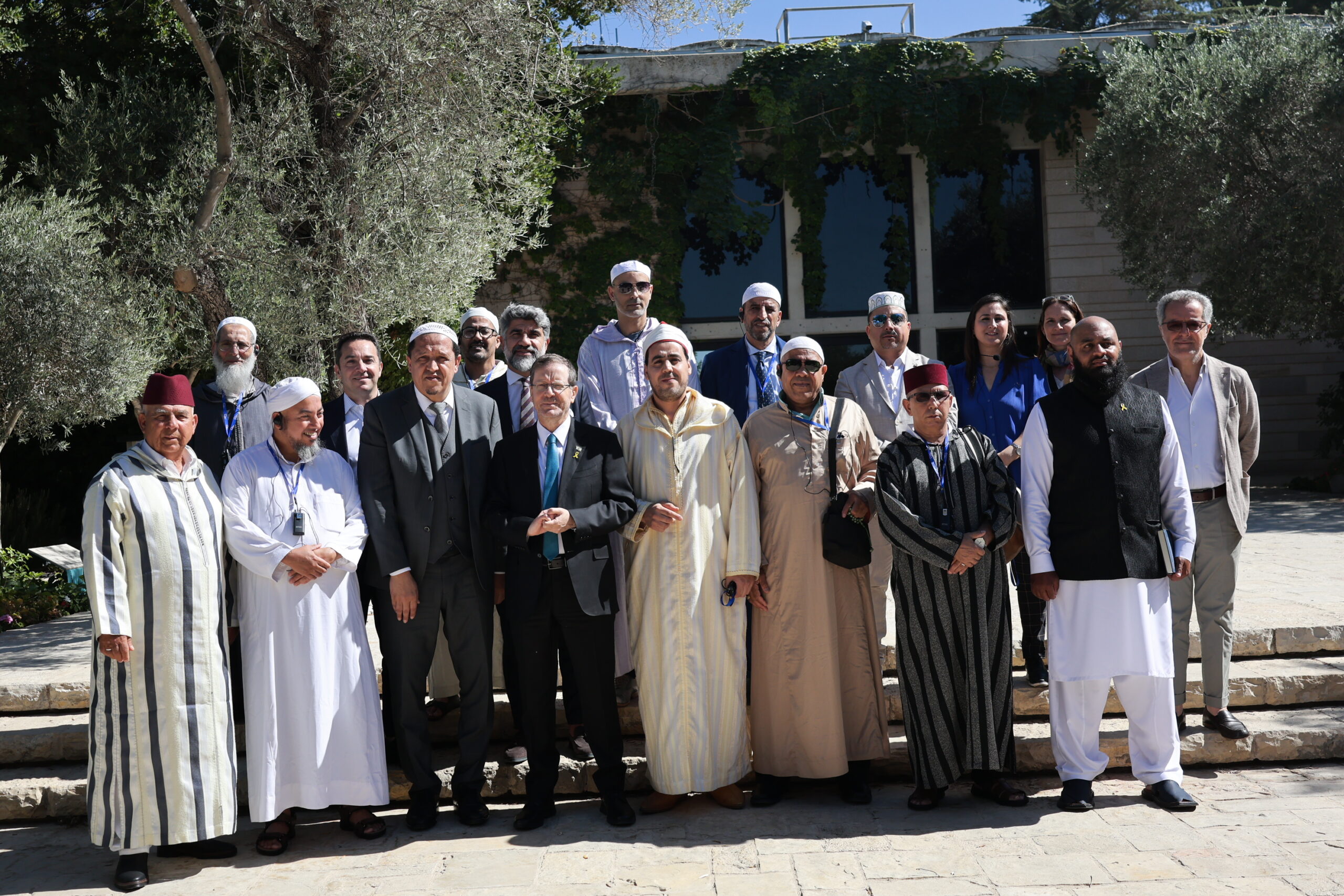
For the first time in its history, ELNET organized a delegation of 13 European imams from France, the United Kingdom, the Netherlands, and Italy, in

UK and Germany State Parliamentarian Delegation to Israel
April 7-11, 2024
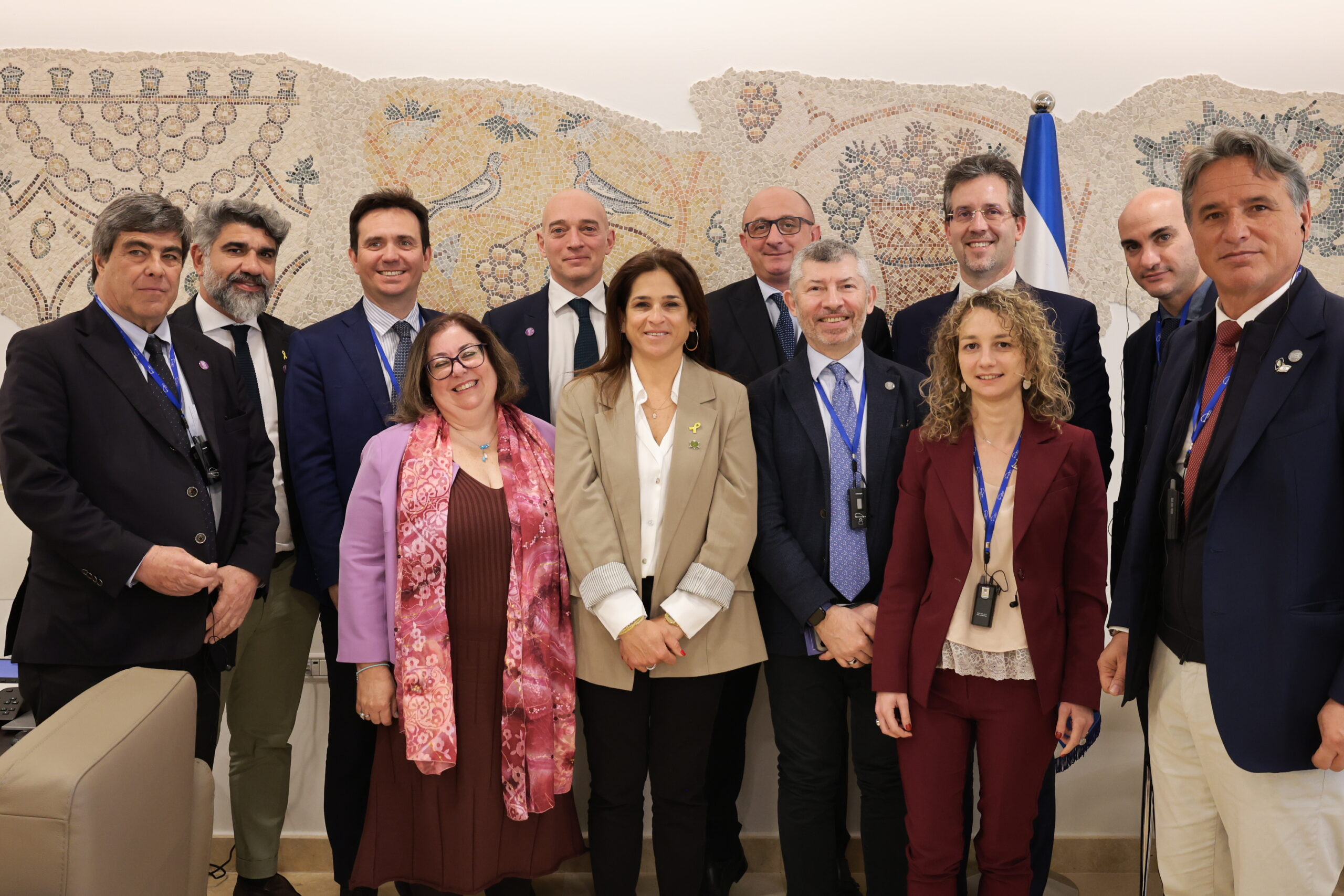
The first ELNET Italy Infrastructure Delegation and the first Italian-only delegation of 2025 for ELNET.
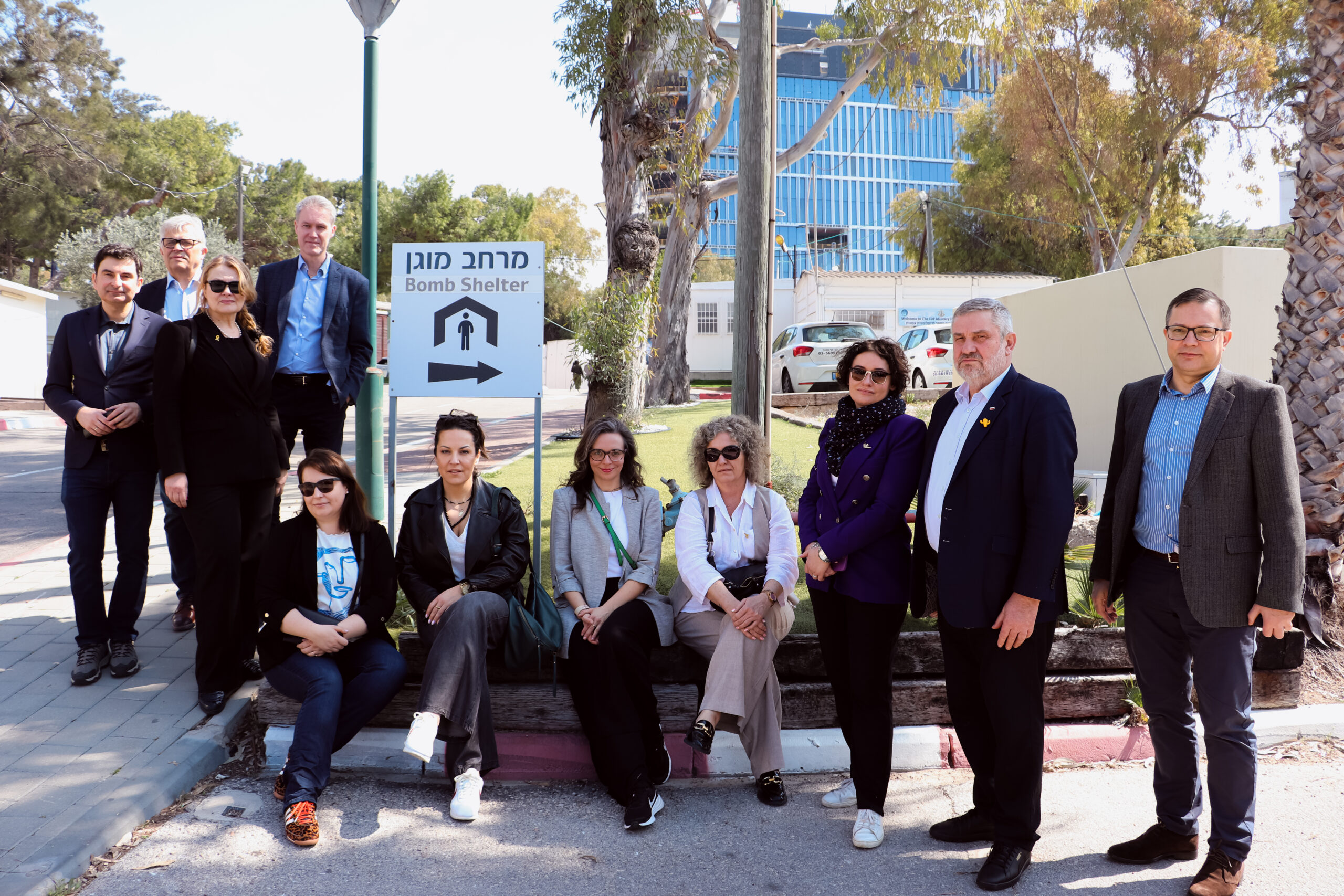
Between March 9-13, ELNET CEE facilitated a pivotal and highly informative study visit to Israel for Polish Members of Parliament and administrative specialists. This visit
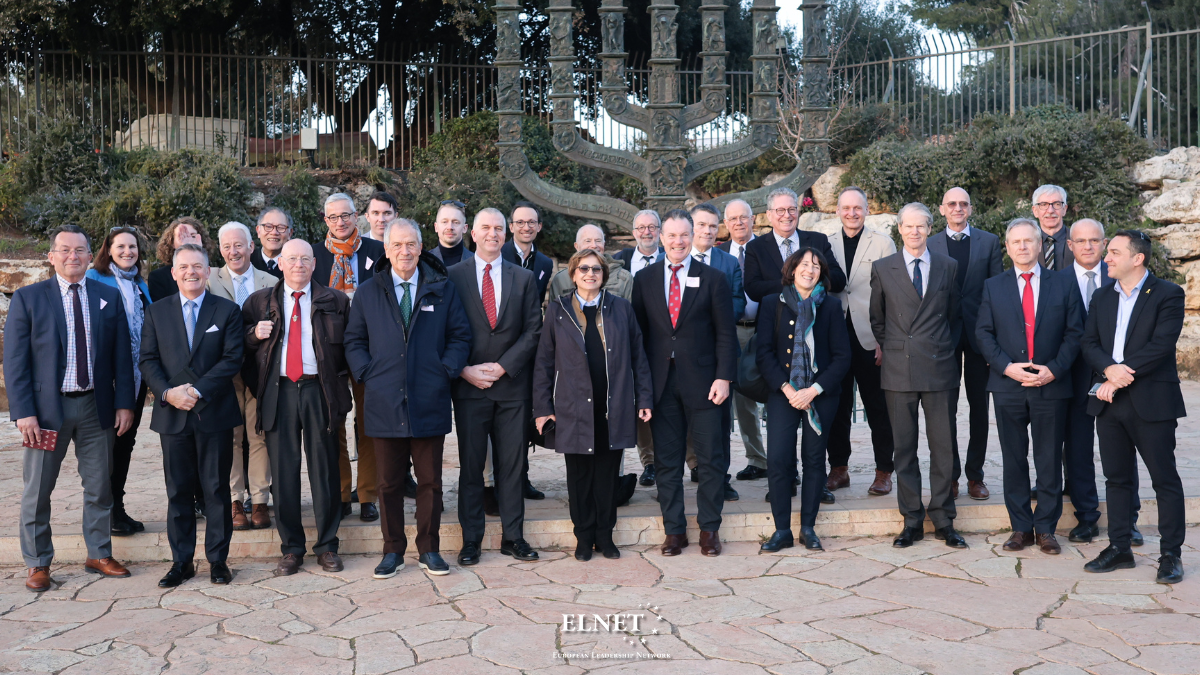
ELNET brought for the second time since October 7, a high-level delegation of international military experts to Israel to provide first-hand insights into the country’s security situation.

This was the first joint ELNET/MFA delegation for 2025 and the first time in Israel for four out of the 6 participants. A successful and meaninfgul trip !

On January 7-8, 2025, Member of the European Parliament (MEP) Hildegard Bentele visited Israel with ELNET. She came to better understand the challenges faced by
Search any of the 49 countries in the EILI registry to see every verified metric Israel shares with it — trade, research cooperation, investment, and diplomatic & security status — each with its original source. Where no verified figure exists yet, that is stated plainly rather than estimated.
Every figure shown on this page and across the Europe–Israel Index is retrieved automatically from the institutional sources listed below, on each source's own publication schedule, and is never estimated or simulated. When a figure has not yet been reconciled with its authoritative source, the dashboard says so rather than substituting a placeholder value. The list below is generated dynamically from the current metrics database.
EILI is an open-source intelligence platform. Data are compiled exclusively from publicly accessible institutional, governmental, intergovernmental and recognised academic sources. EILI prioritises primary sources and provides direct source attribution wherever possible. Statistics may reflect different publication schedules and methodologies; reference periods and sources are displayed alongside the relevant data. EILI aggregates and structures this information; it is not itself the statistical authority for any figure.
EILI uses only information anyone can access: official statistics, official documents and recognised research. It does not use leaked, classified or paywalled material, and it does not infer undisclosed cooperation.
1. Primary sources: EU institutions (Eurostat, European Commission, CORDIS, EEAS, Council, Parliament), Israeli government bodies (Central Bureau of Statistics, ministries, Bank of Israel, Israel Innovation Authority), national statistical offices, ministries and central banks of European countries, and intergovernmental bodies (OECD, UN, IMF, World Bank, WTO). 2. Recognised secondary sources (peer-reviewed research, universities, established research institutes), used only when no adequate primary source exists and always attributed. Media reports are used only to identify developments, which are then checked against primary documents. EILI does not use Wikipedia, unsourced aggregators or social-media claims as evidence.
Automated adapters retrieve data from official APIs or structured datasets and store, with every figure, its source organisation, dataset, reference period, unit and retrieval date; a figure is only displayed with that record attached (click any figure to see it). Missing values are never read as zero. Important figures are cross-checked against a second authoritative source where practical (for example Eurostat against Israel’s CBS or UN Comtrade). Conflicting figures are not averaged: EILI selects the source whose definition fits the indicator and records the alternative.
“Reference period” is the period a statistic describes (e.g. calendar year 2025). “Retrieved” is when EILI last read it from the source. A figure retrieved today can describe last year; EILI never labels a figure “latest” just because it was retrieved recently.
Sources are checked on a schedule (daily or weekly depending on the source), but a figure only changes when the source publishes a new observation — typically monthly or annually for trade, annually for investment, and with each CORDIS data release for research. If a check fails, the last verified observation is kept, with its original reference period, and flagged internally; it is never replaced by zero or an estimate.
Each figure is shown in the currency of its source: EU member states in euro (Eurostat); other countries in their national currency when reported by their national statistical office; OECD investment data in US dollars. EILI does not add figures in different currencies together. Where a conversion is ever shown, the original value, the rate, its source (ECB reference rates) and its period are stated.
Where no reliable public figure exists, EILI says so. Provisional statistics are shown as published and replaced when the source revises them. Composite “relationship scores” are not published: EILI shows measurable indicators only.
Trade figures reported by different countries follow different national methodologies (e.g. CIF/FOB valuation, general vs. special trade) and are not directly comparable across currencies. Horizon Europe counts overlap across countries. The direction of OECD investment positions is still being recorded. Diplomatic and security entries are documented country by country and are not yet complete.