EIPC 2025Stronger Together
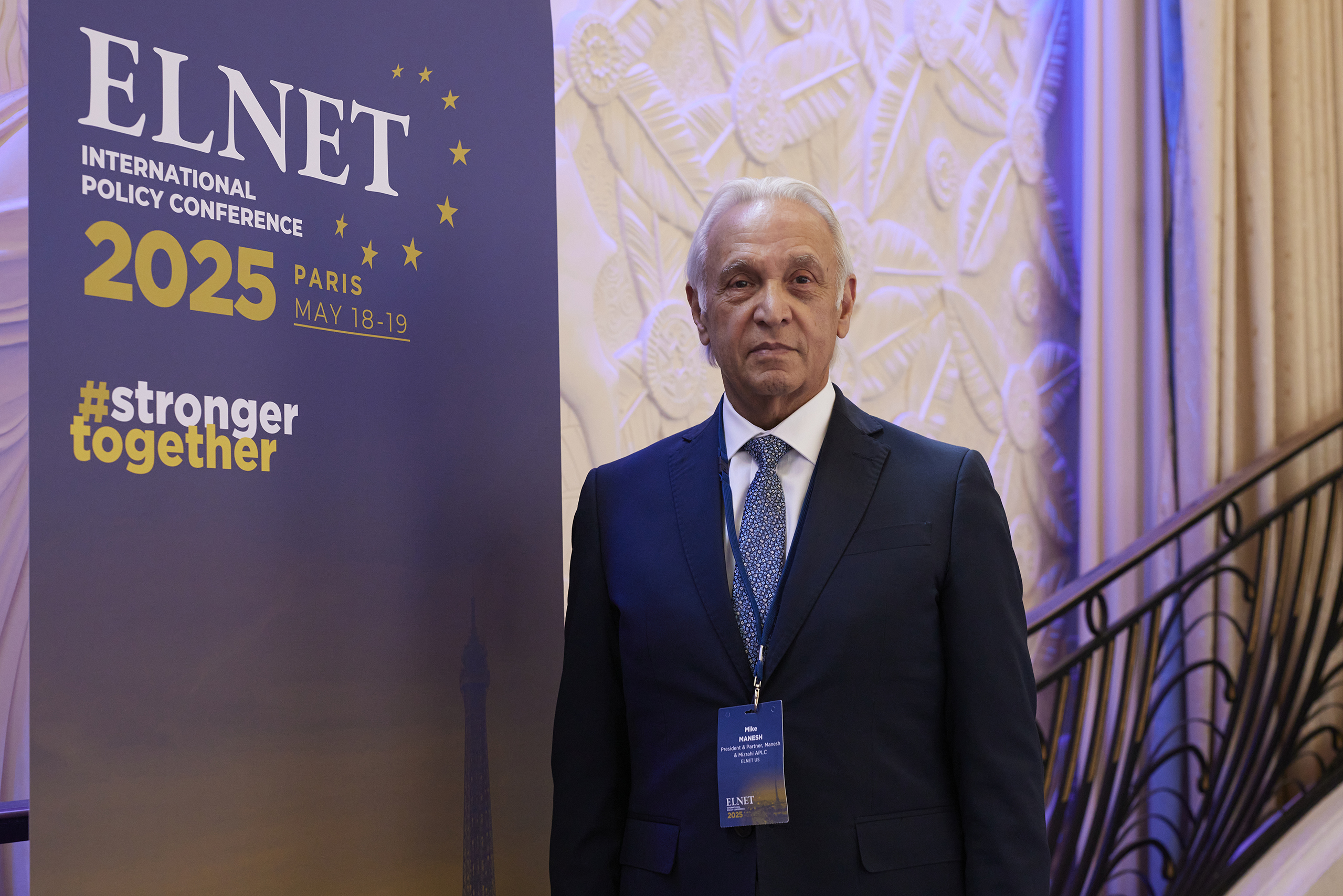
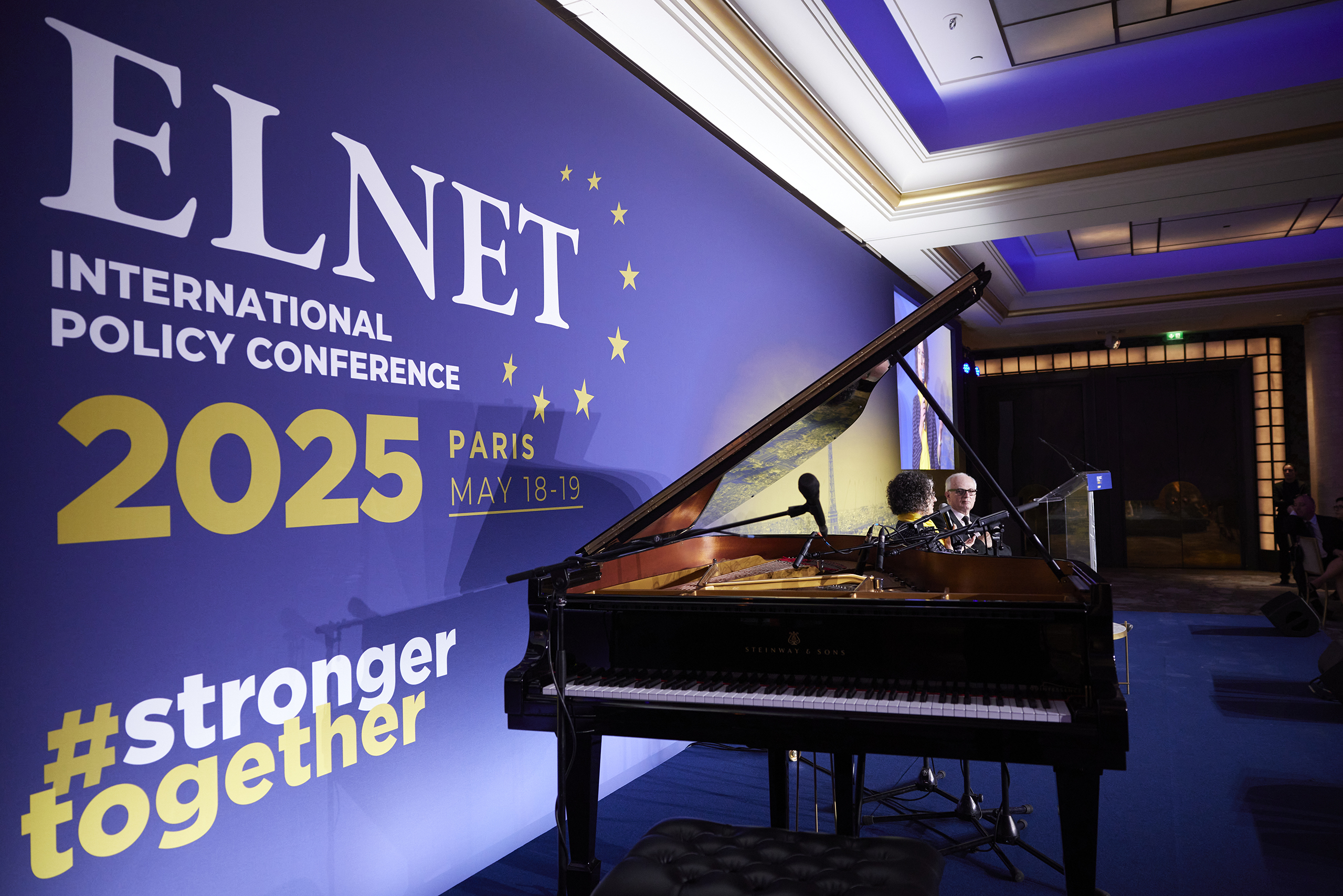
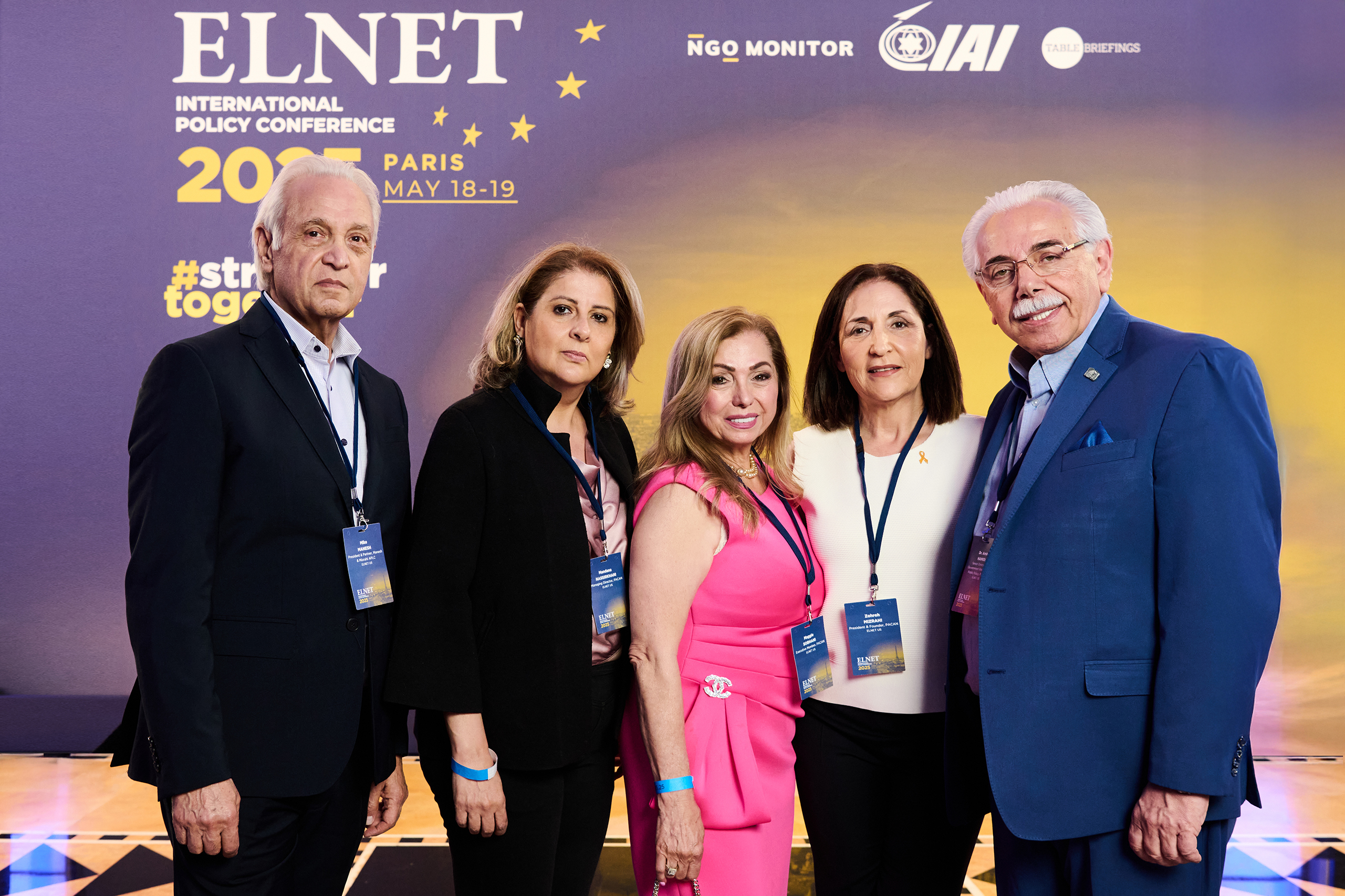
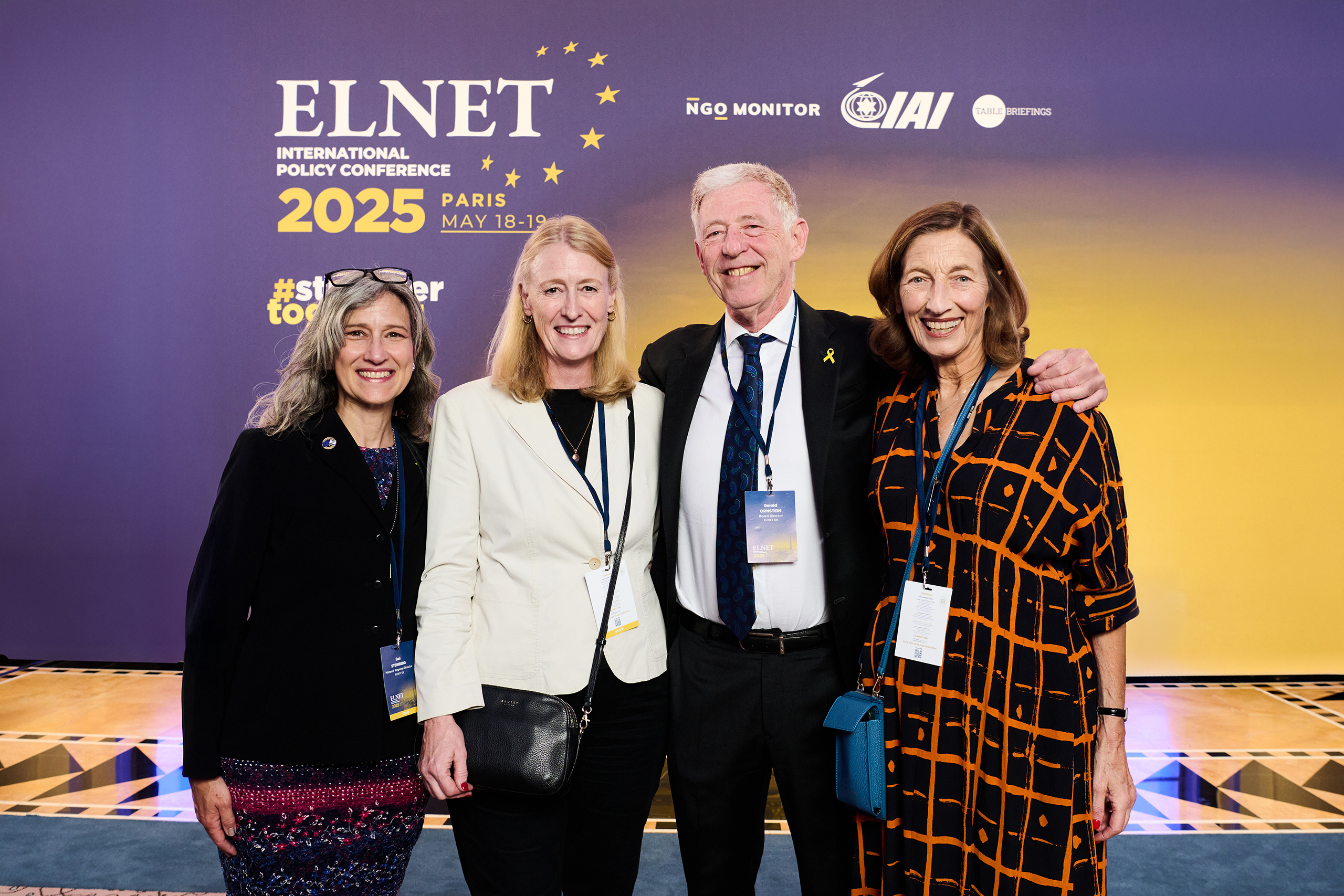
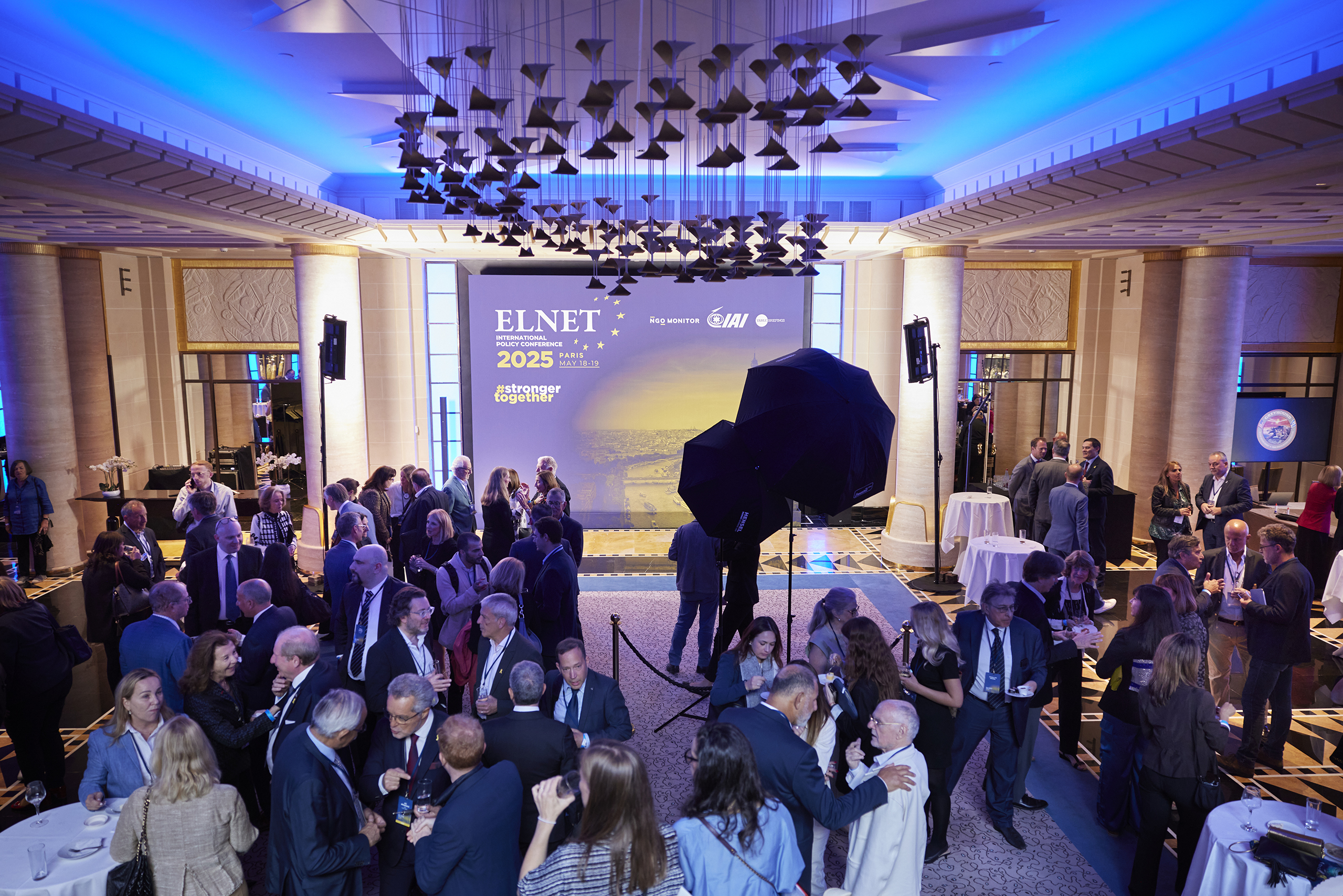
Europe, Israel, and the Middle East in a Tumultuous World. Europe’s premier biennial pro-Israel conference, convened in Paris on 18–19 May 2025.
The Fourth Conference“Stronger Together. Europe, Israel, and the Middle East in a Tumultuous World.”
- Paris, France — 18–19 May 2025
- Nearly 400 participants
- Over 40 speakers from Europe, Israel, the U.S. and the Middle East
- In cooperation with Israel Aerospace Industries (IAI), NGO Monitor and Table Media
Conference film — EIPC 2025, Paris
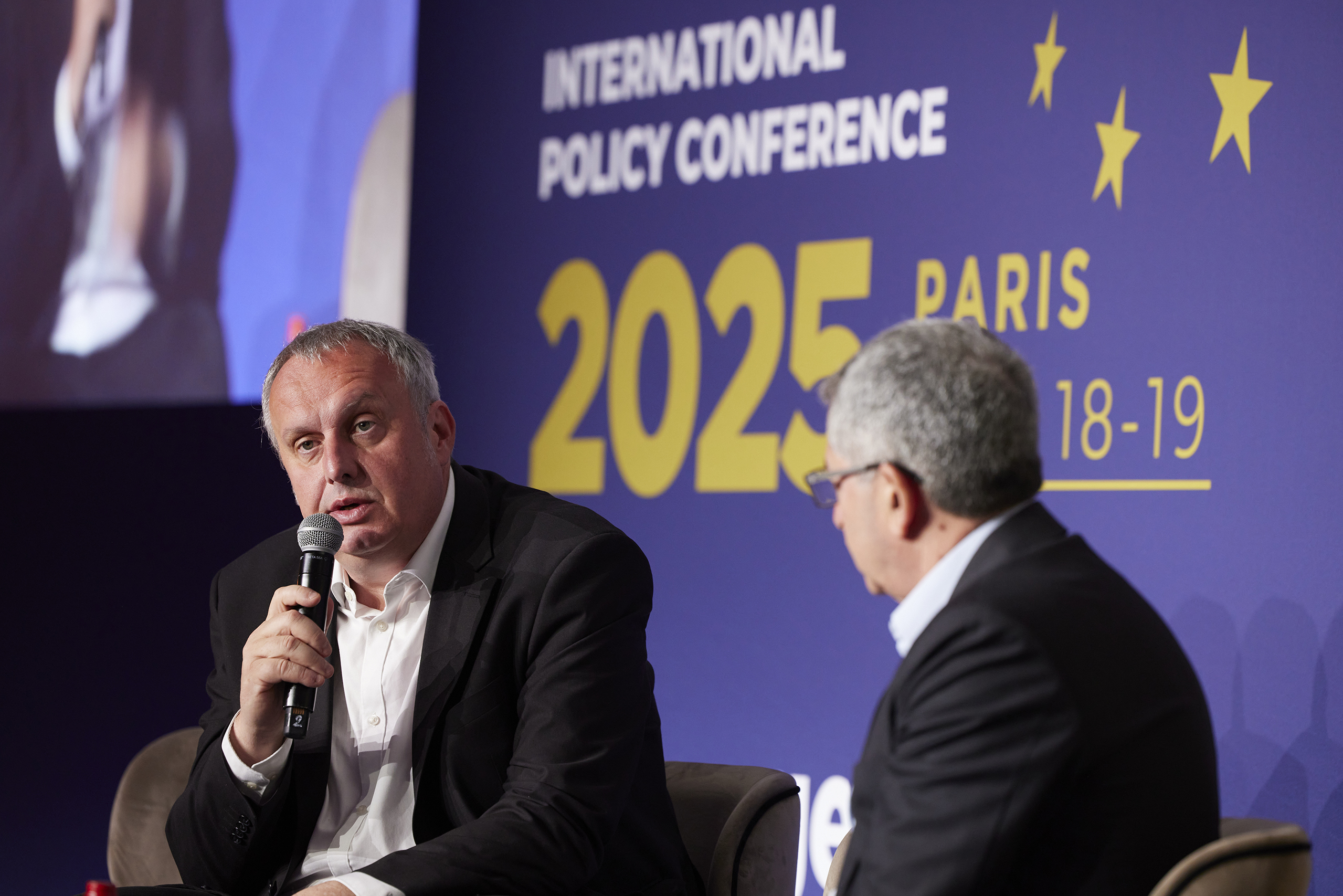
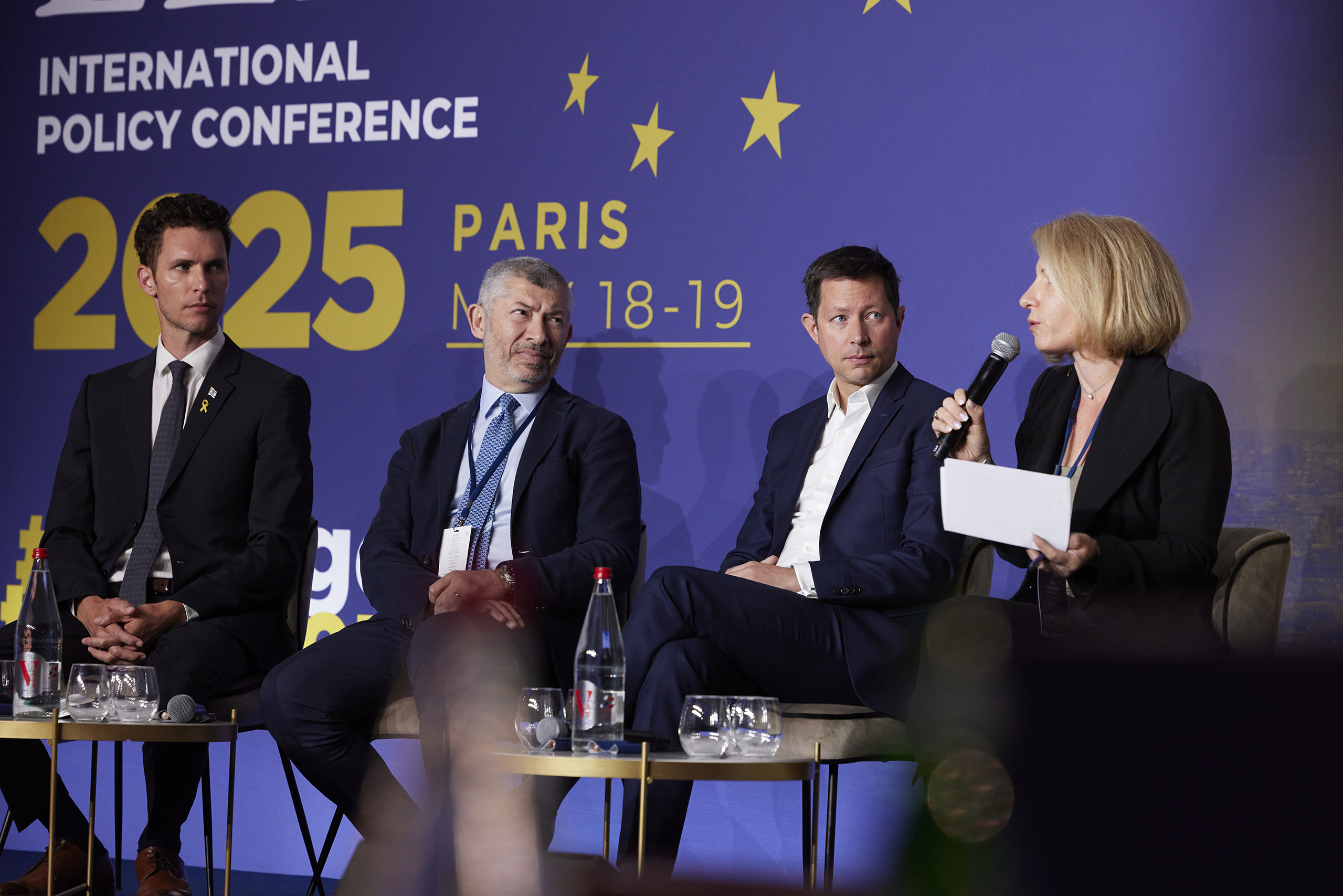
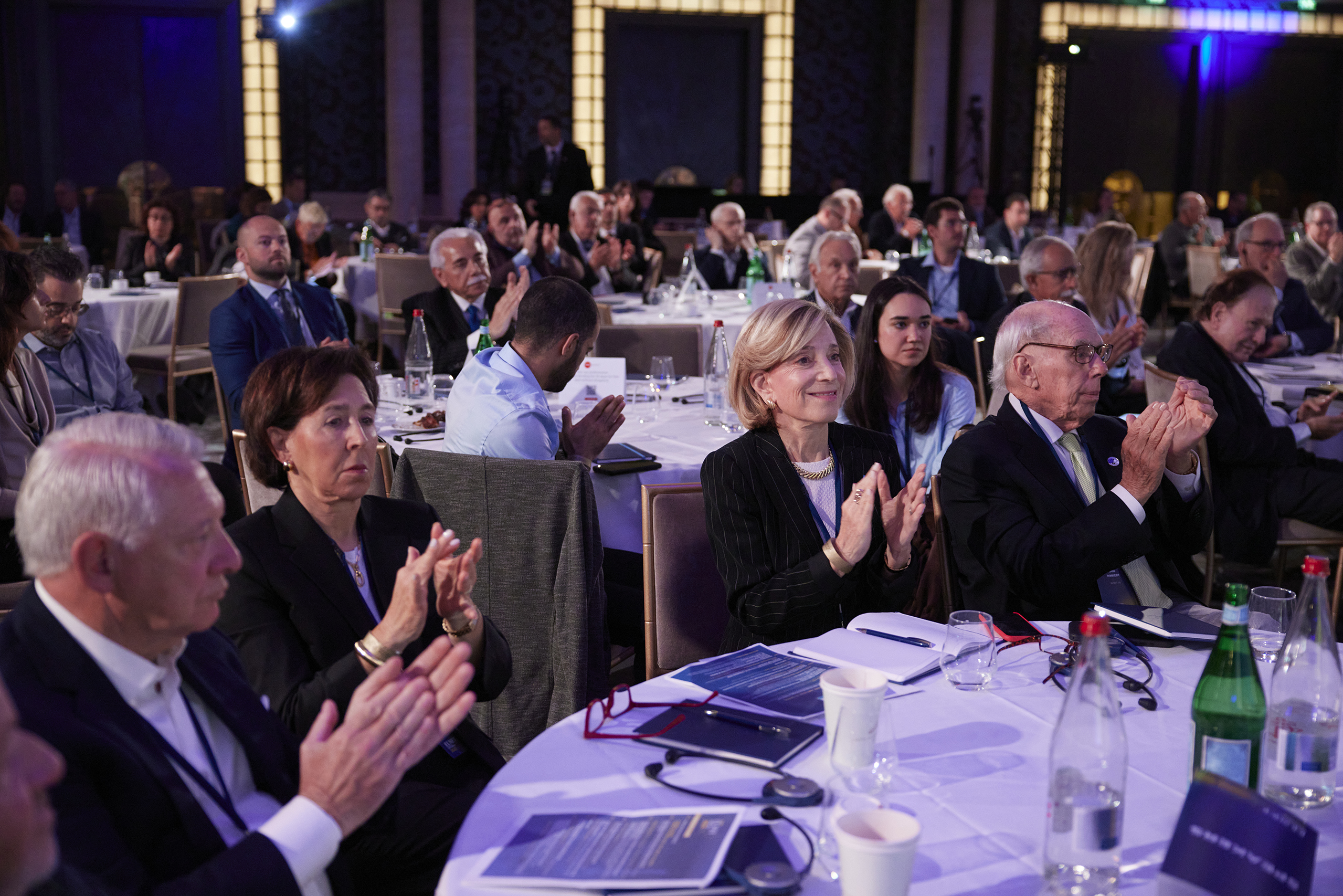
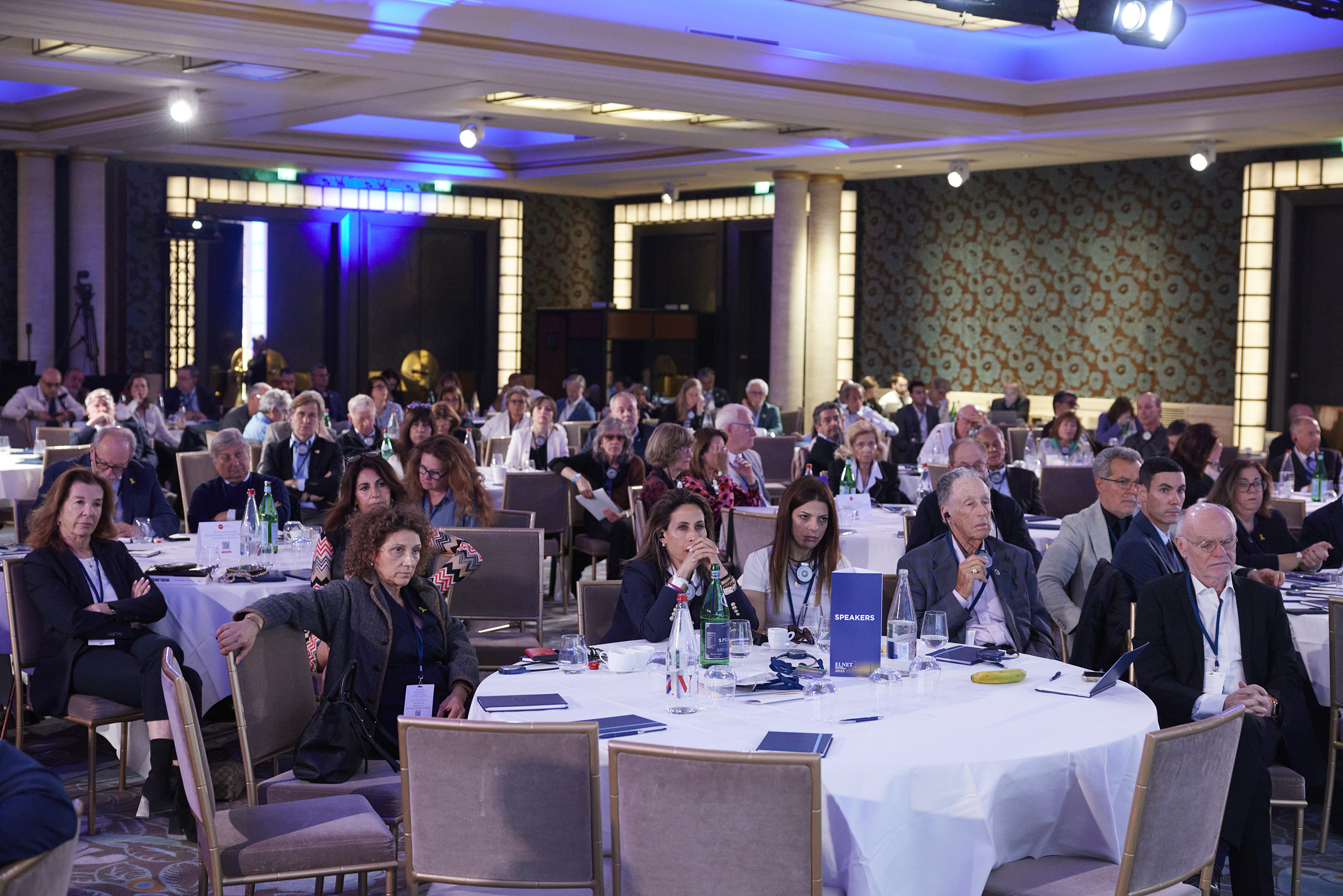
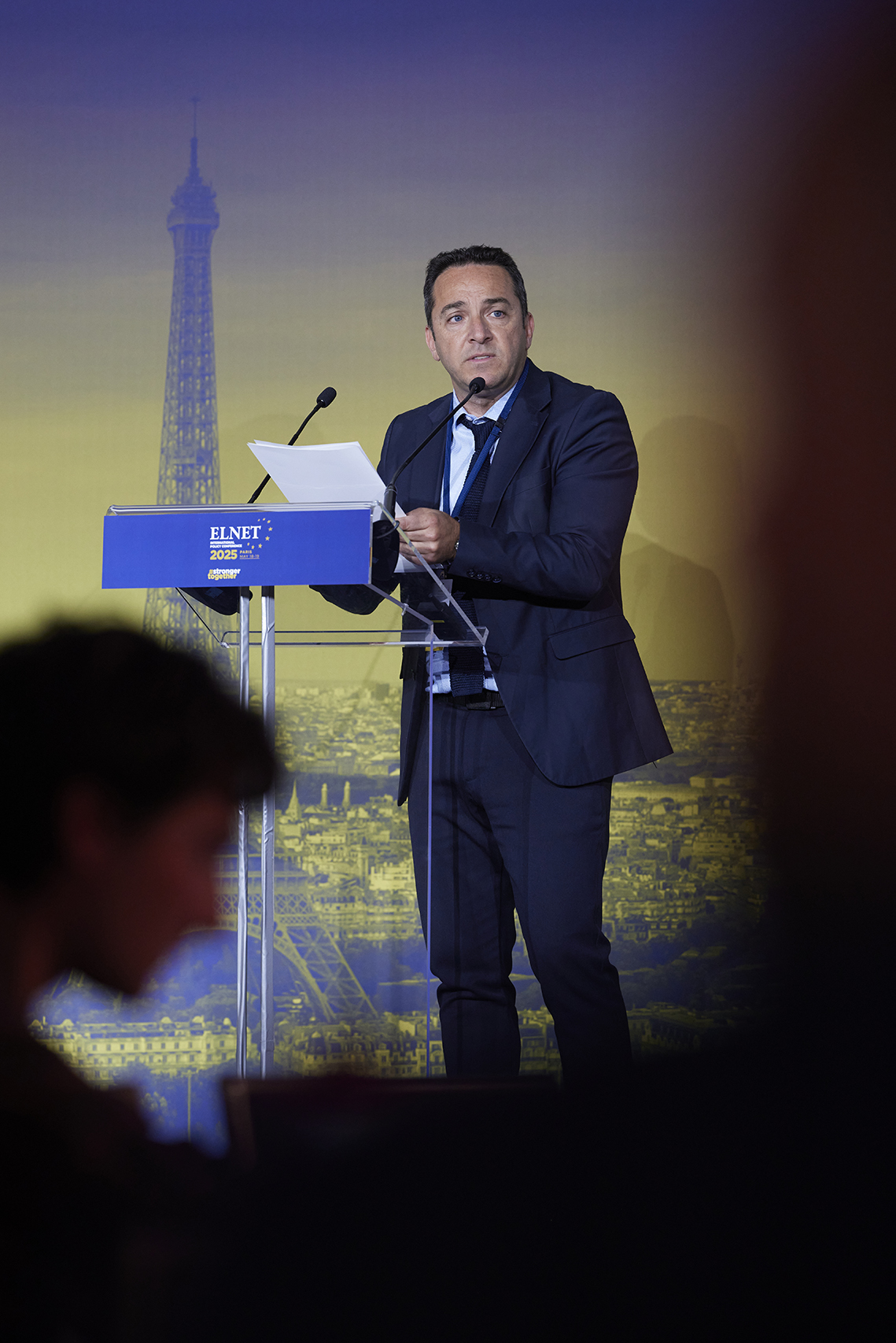
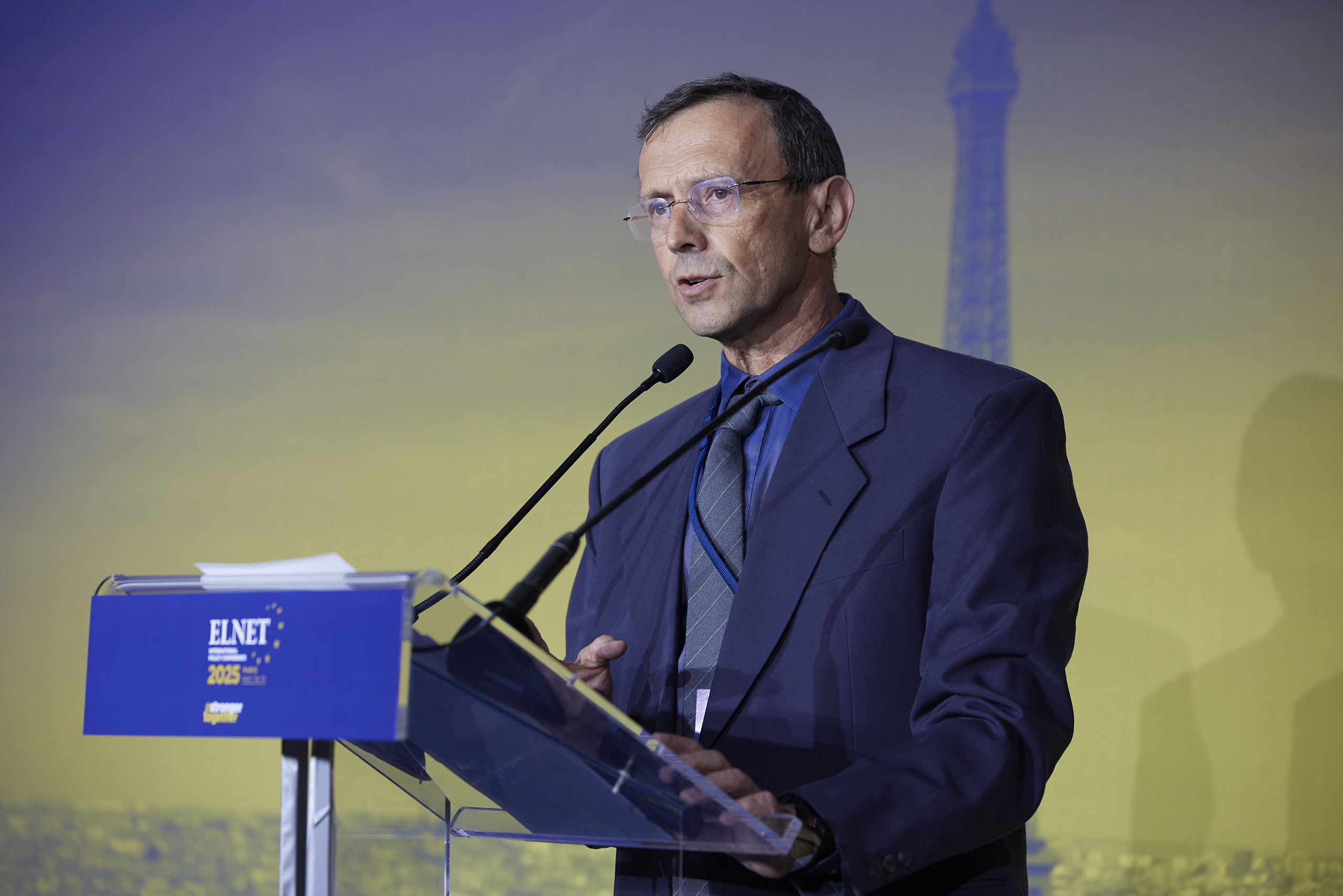
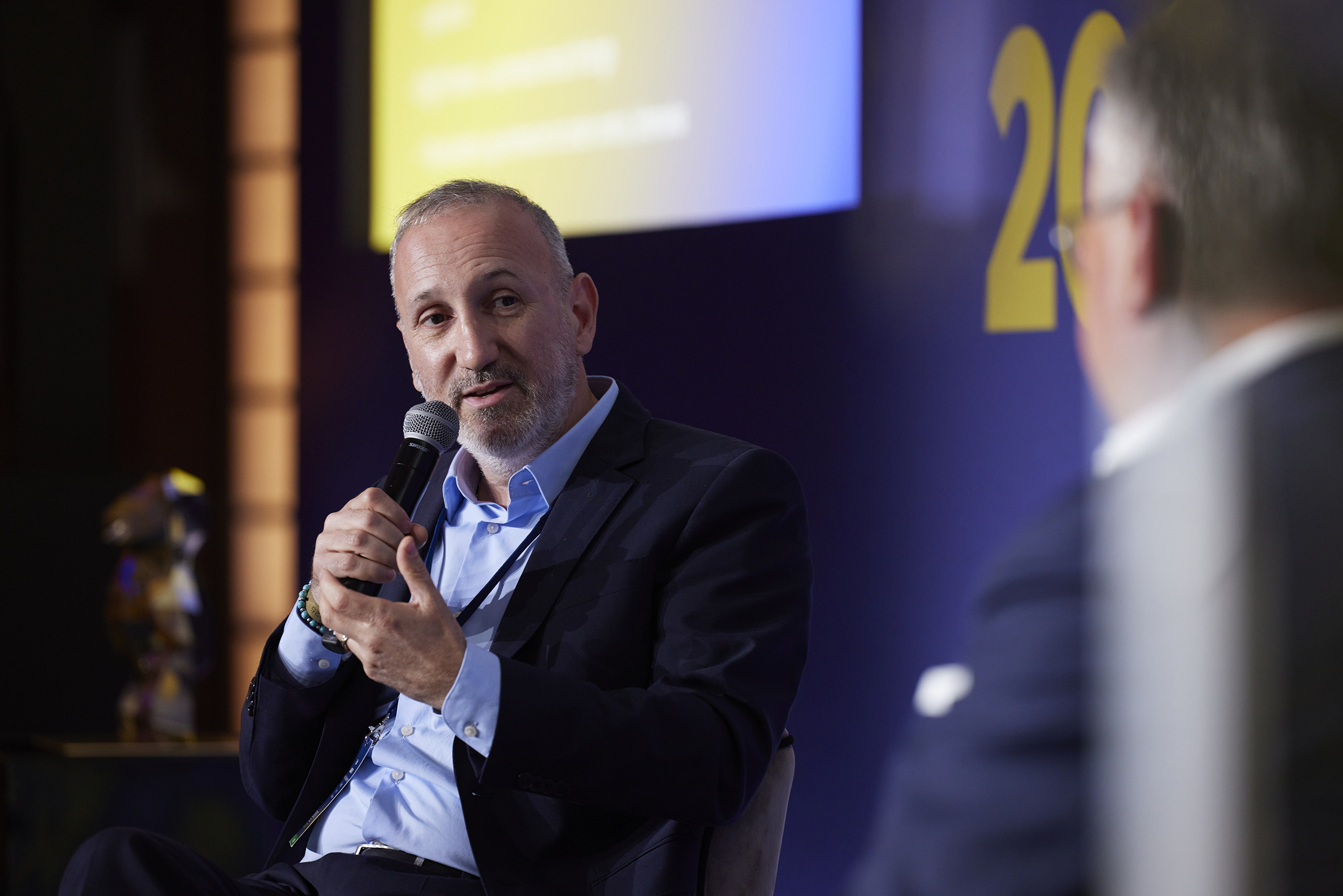
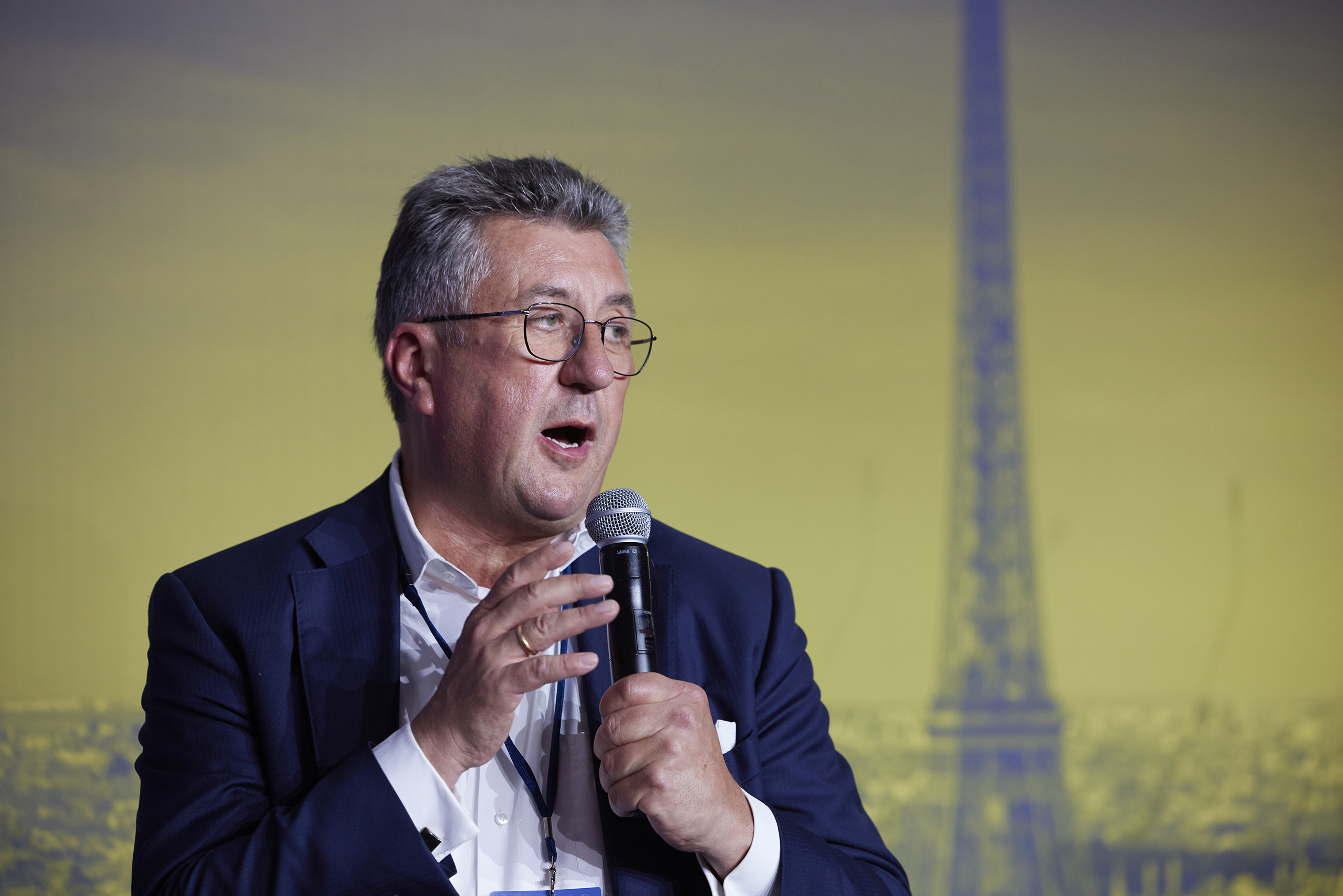
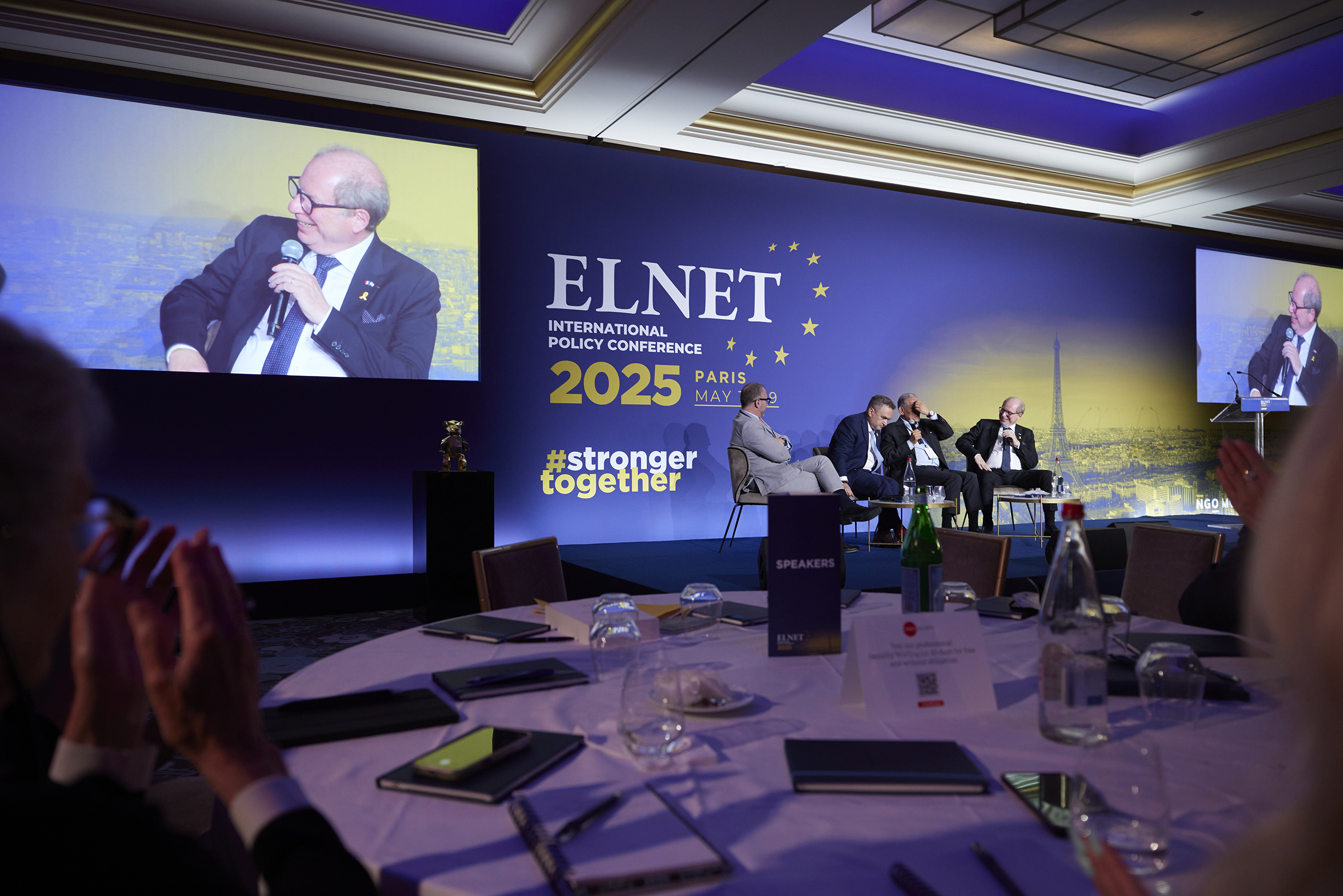
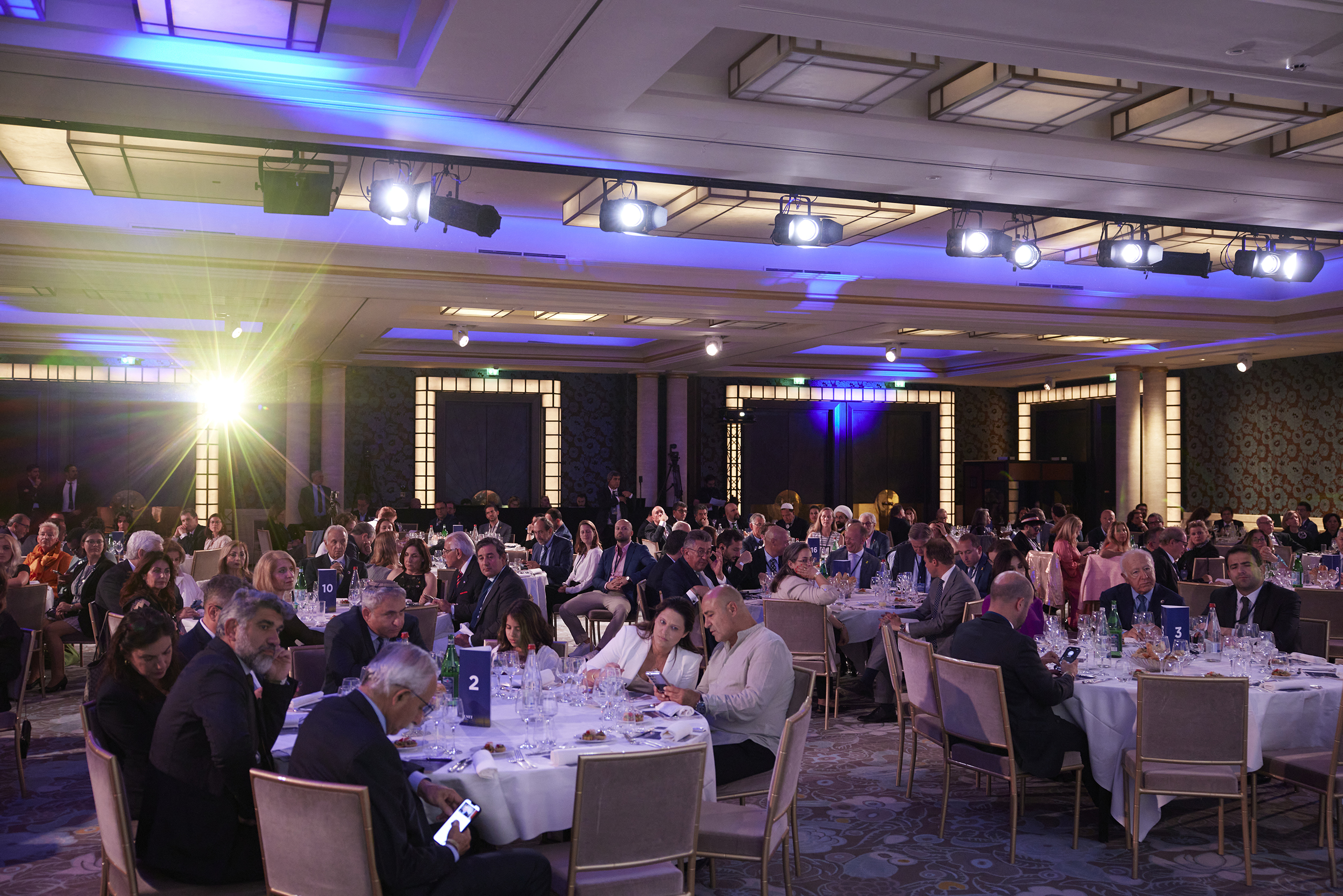
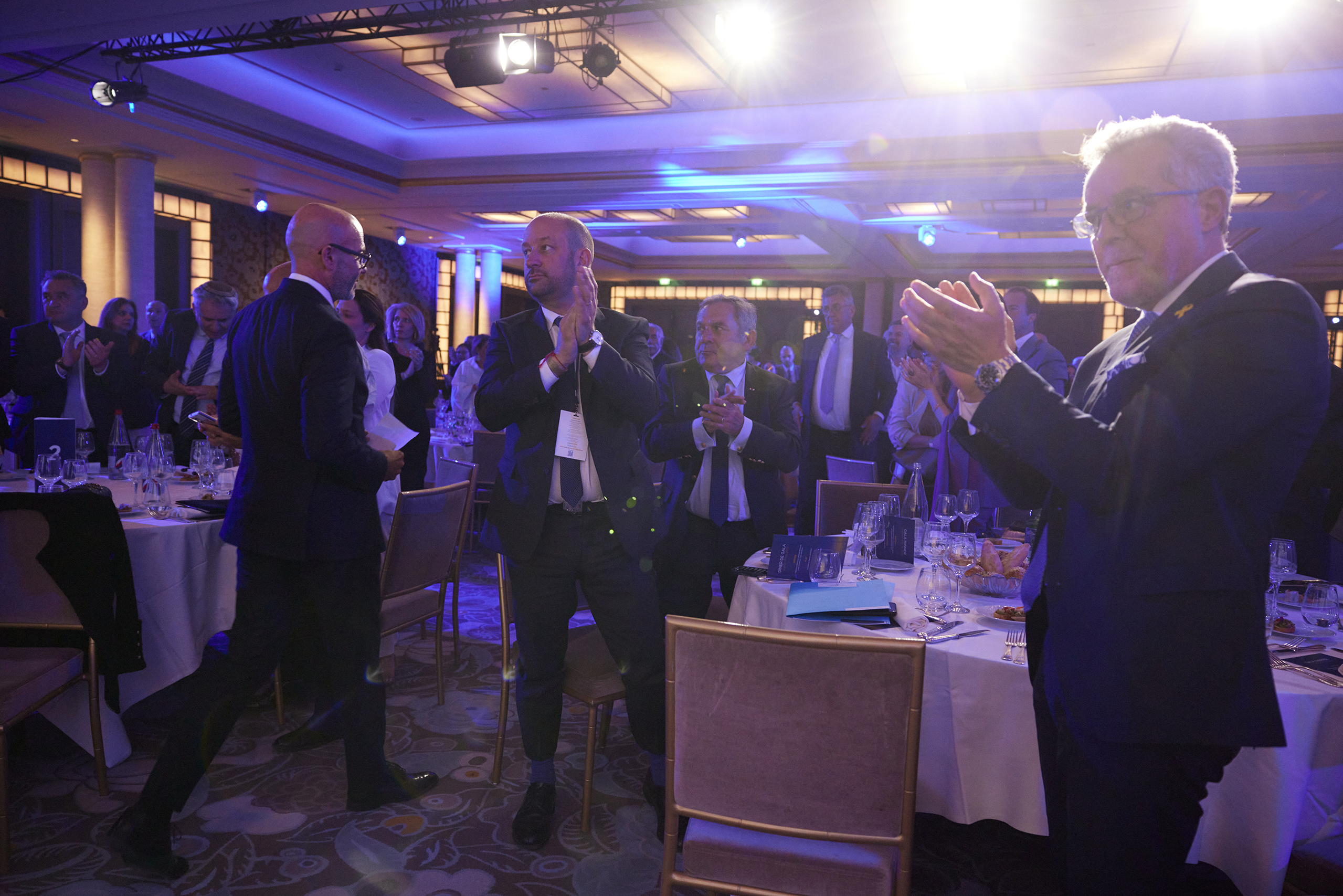
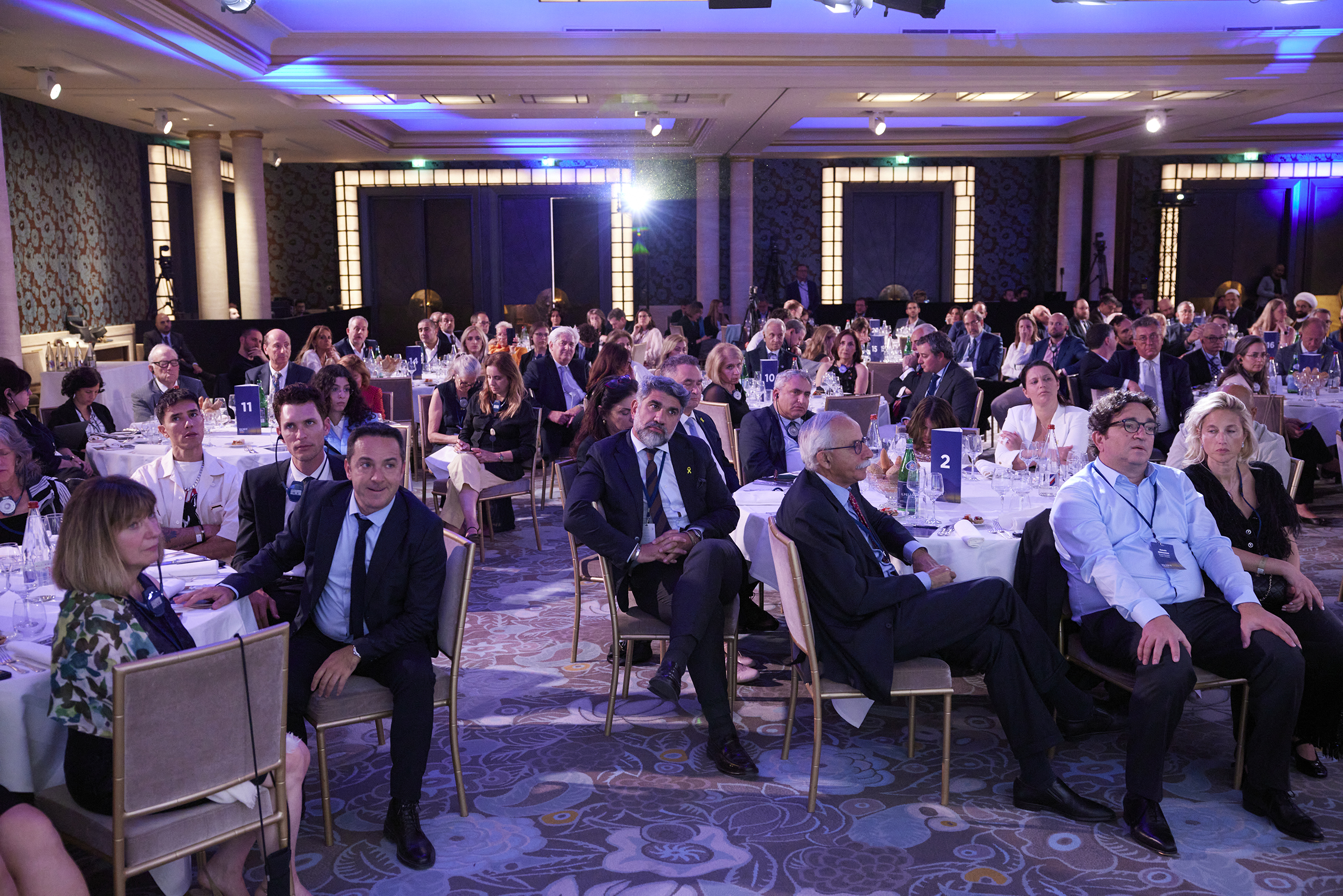
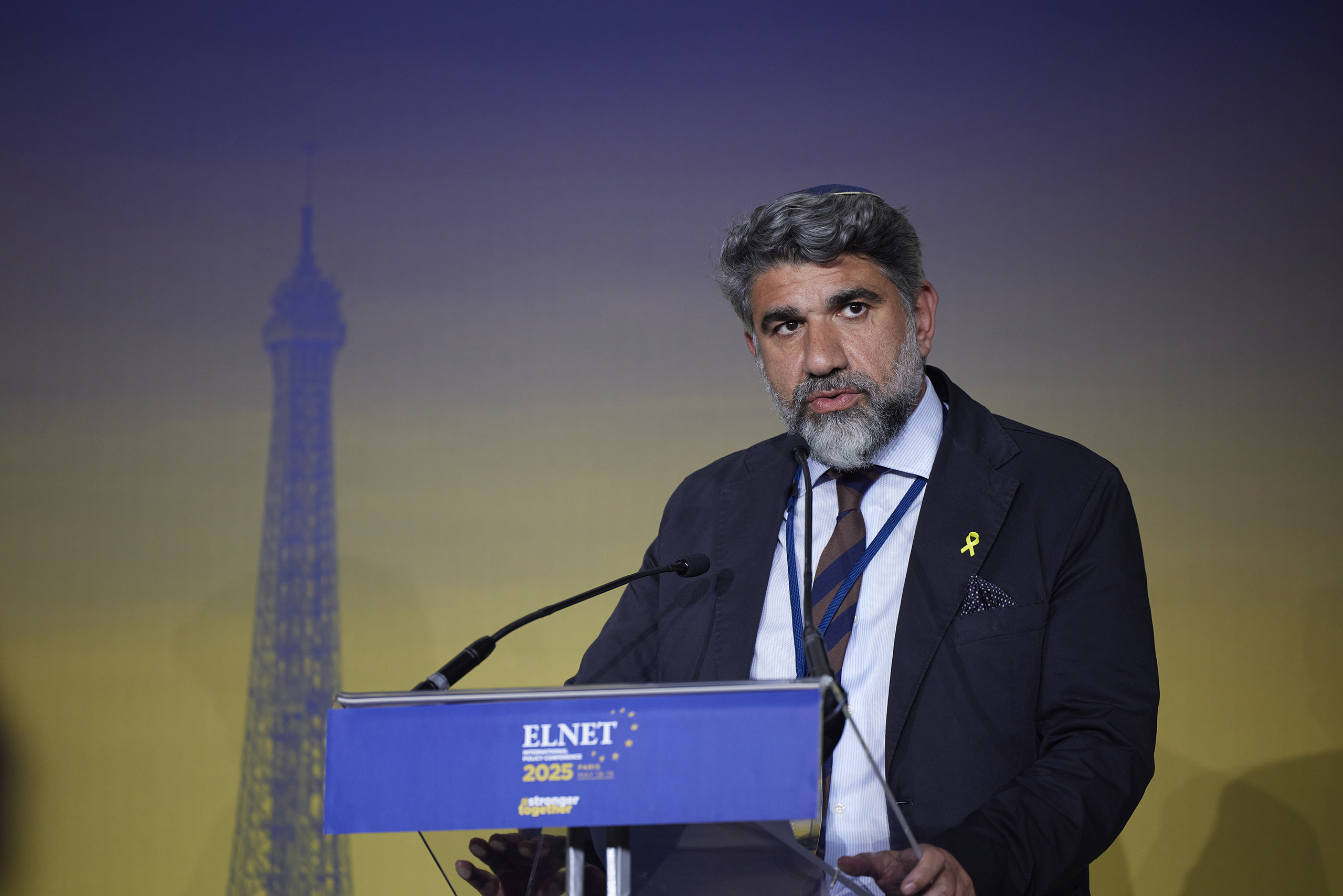
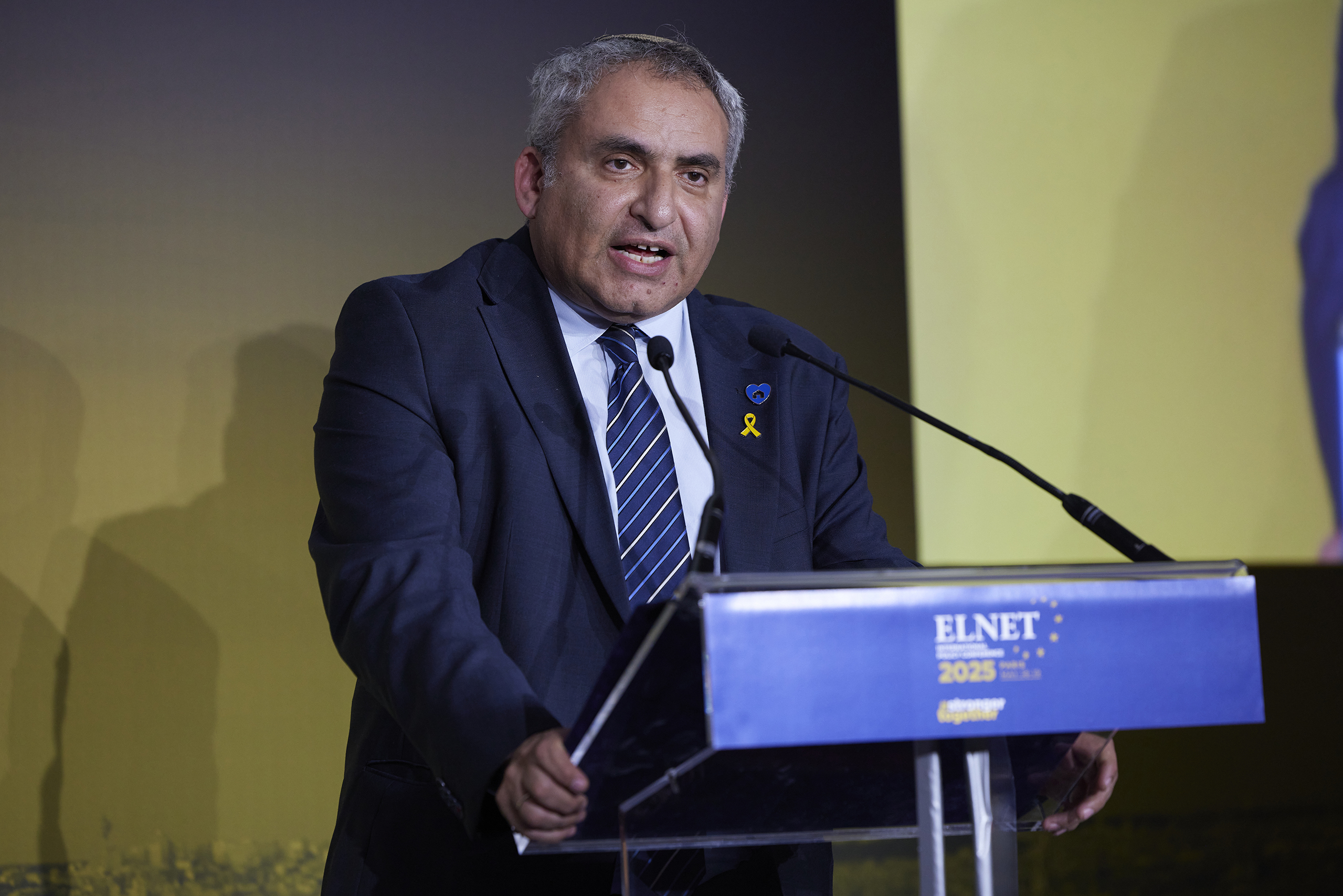
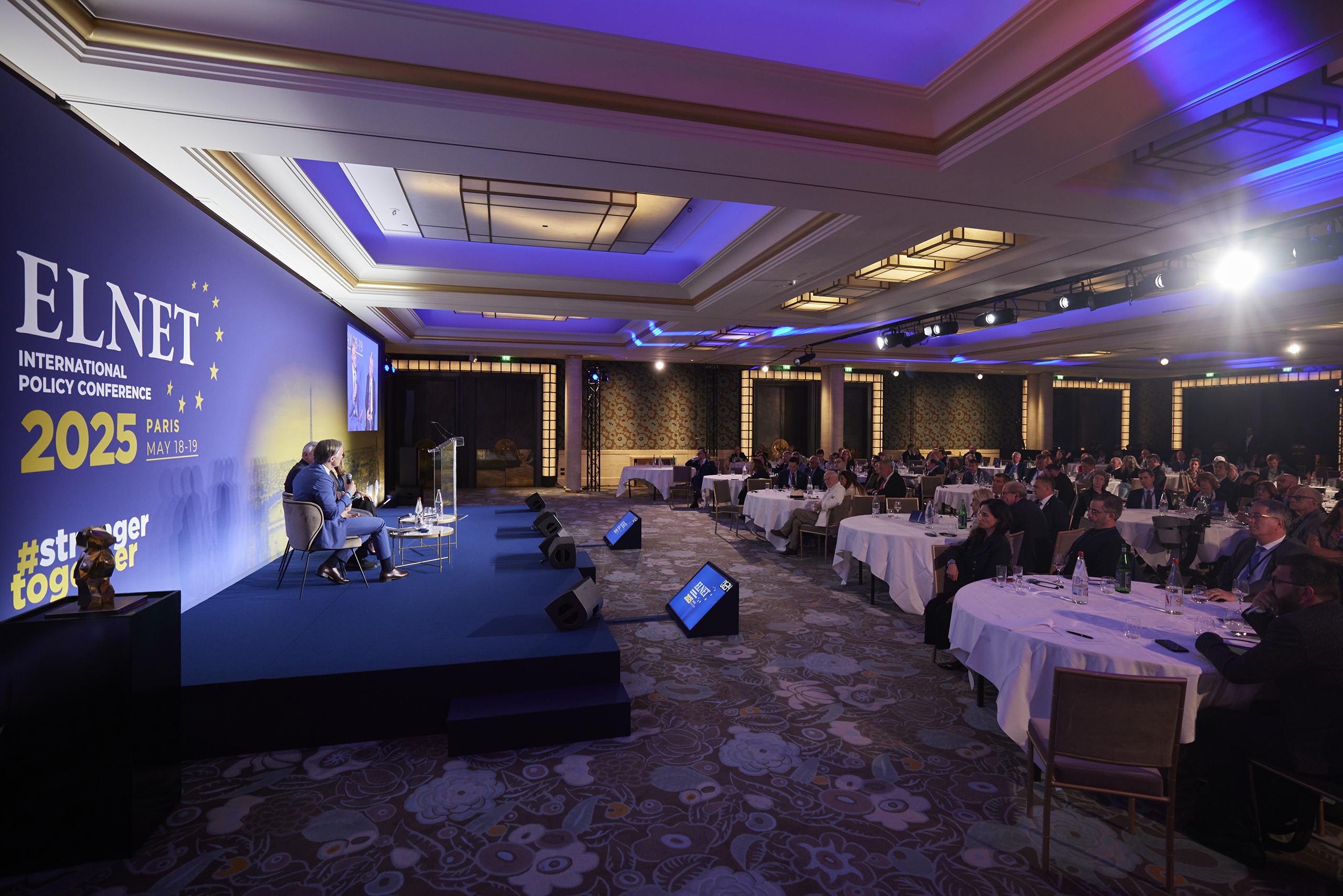
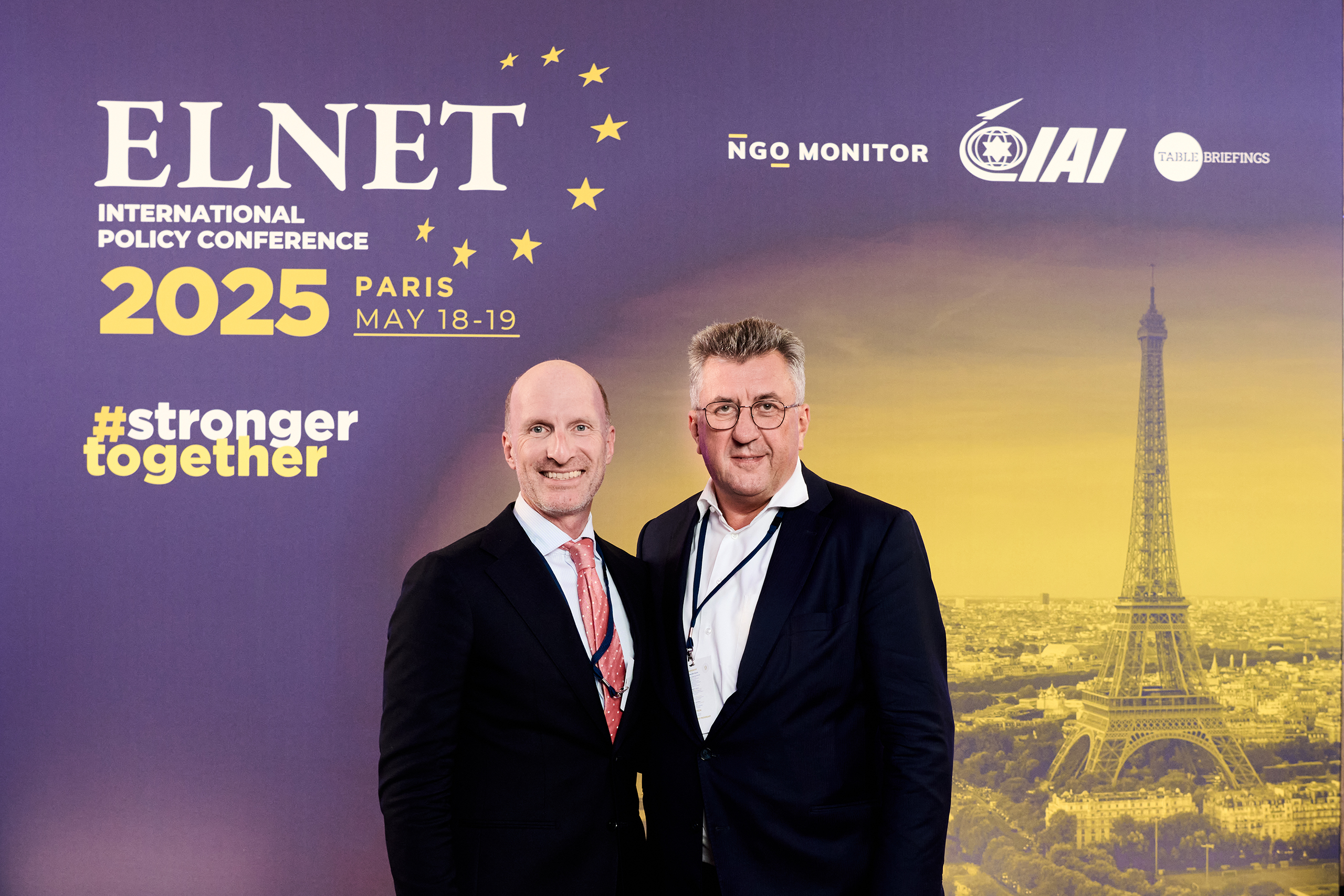
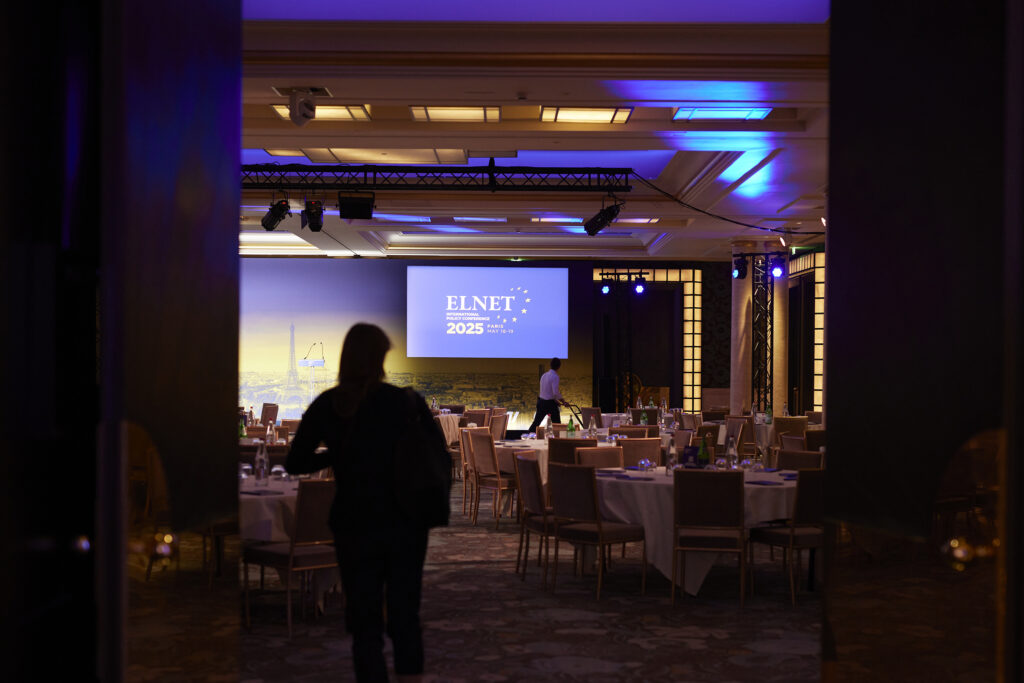
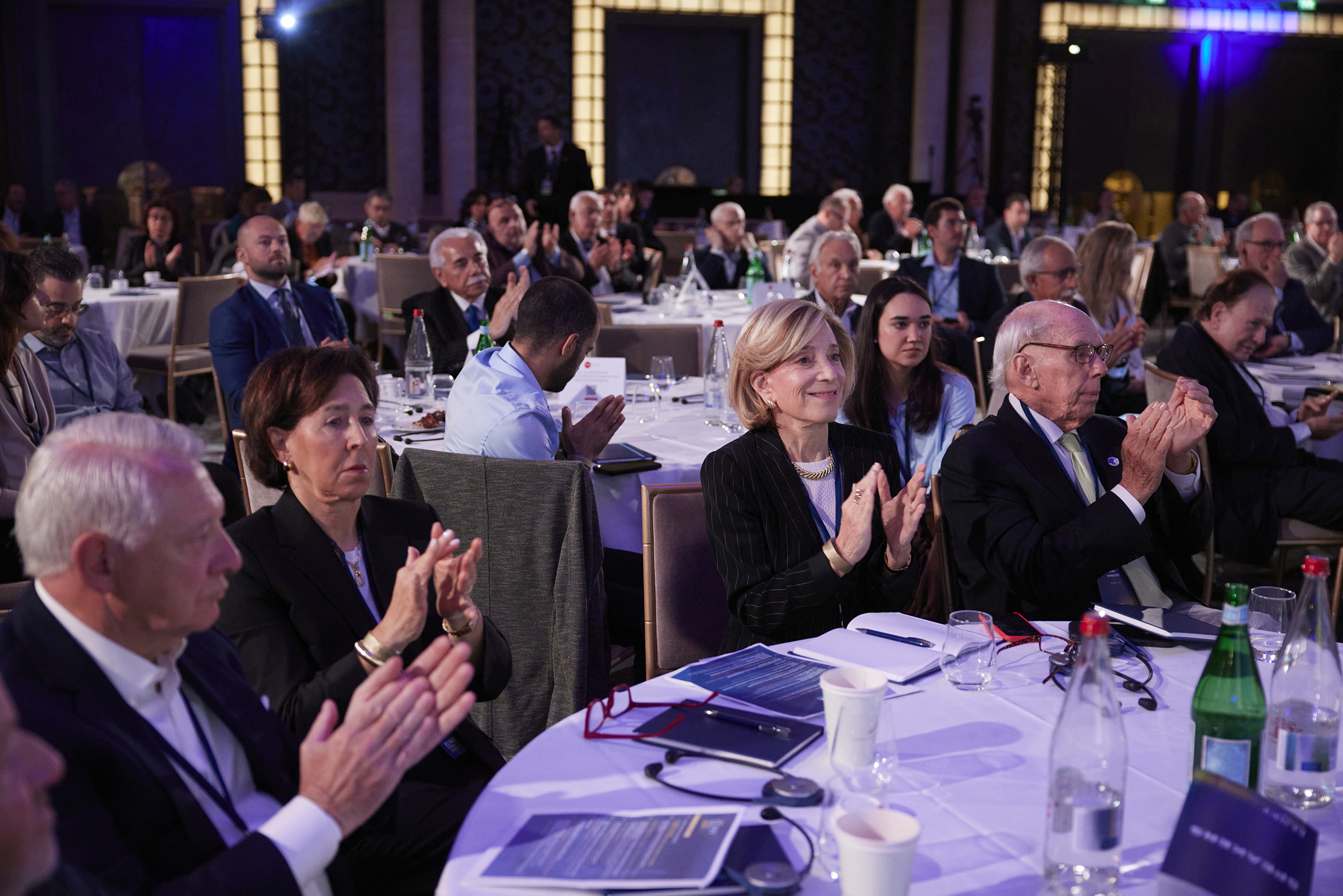
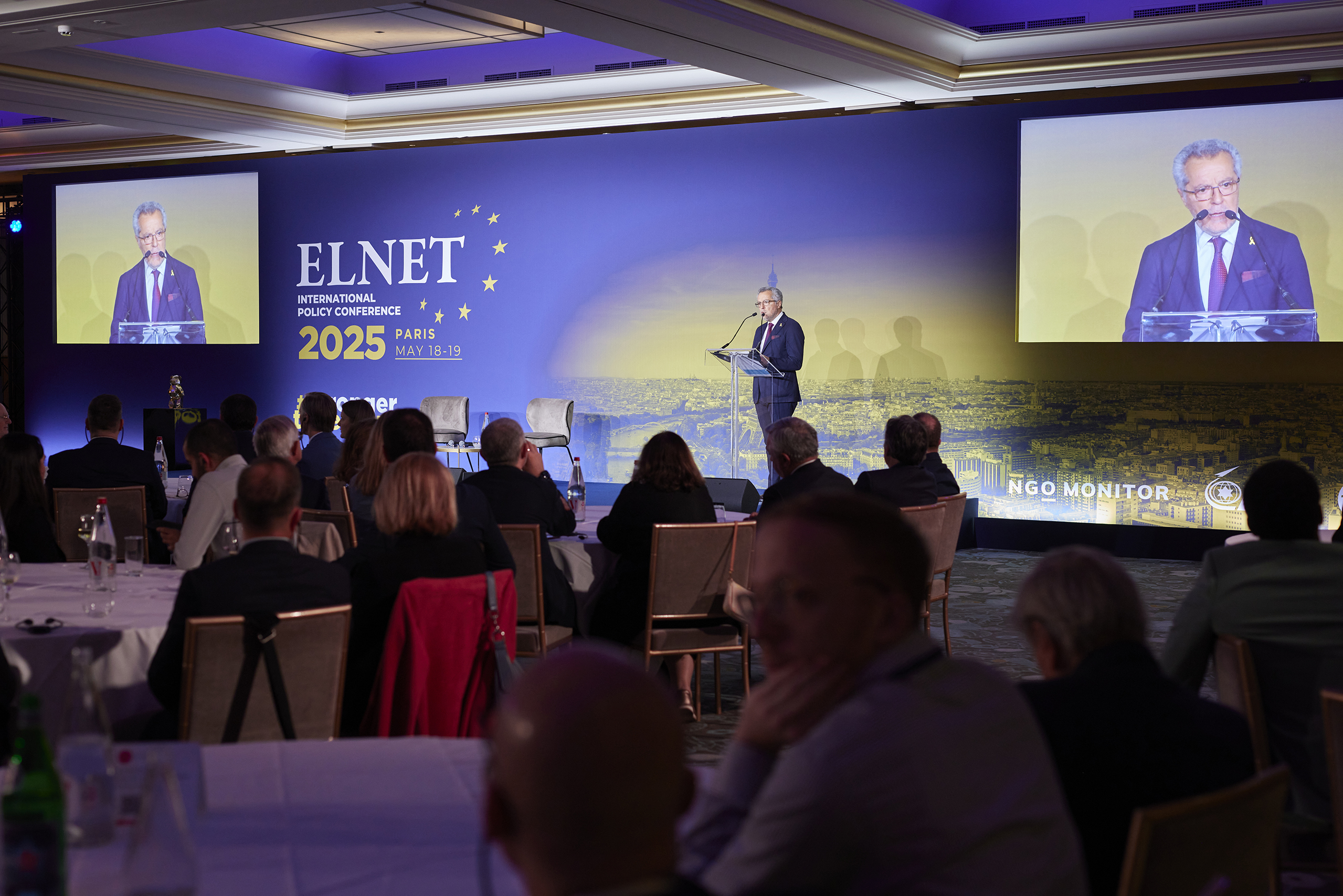
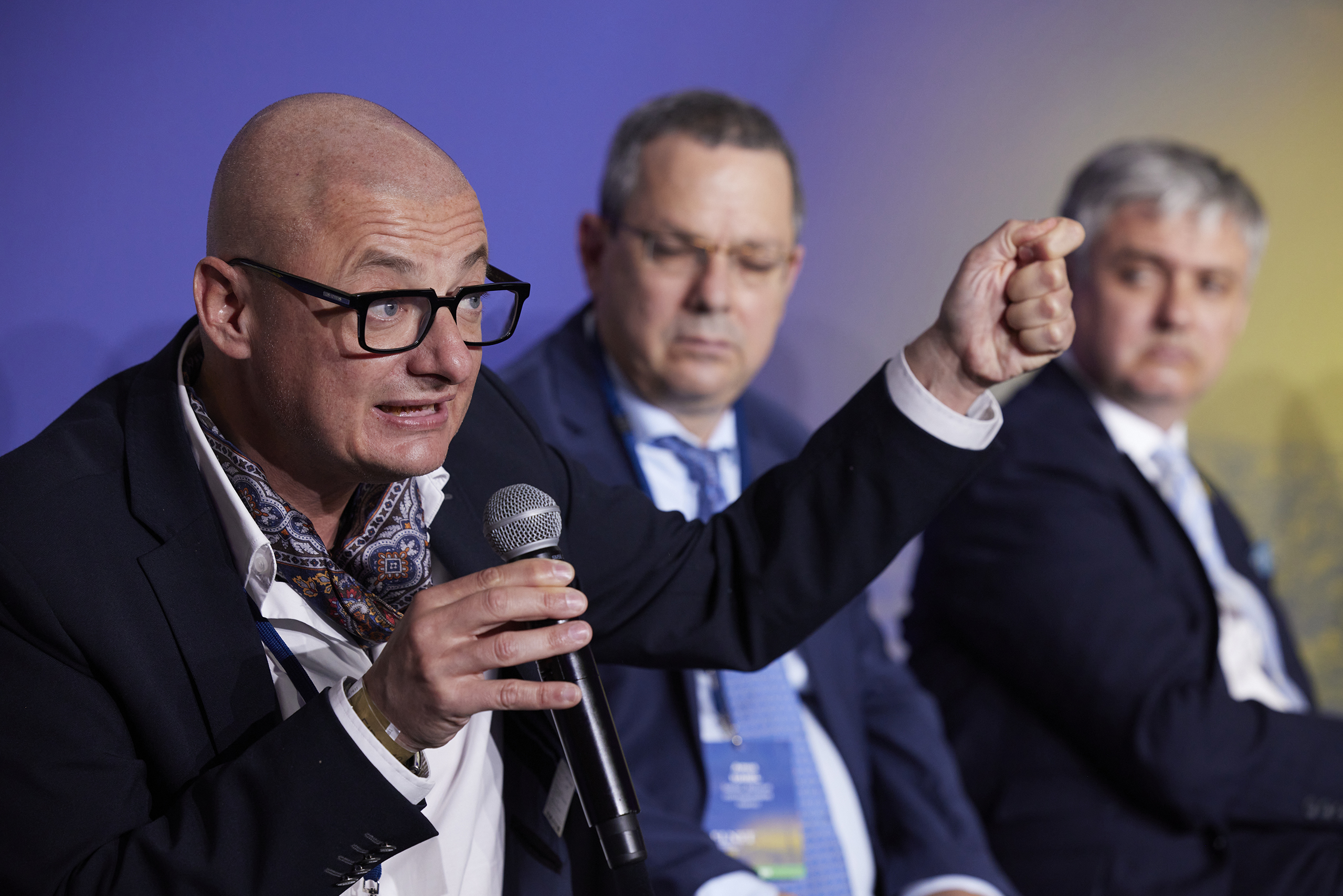
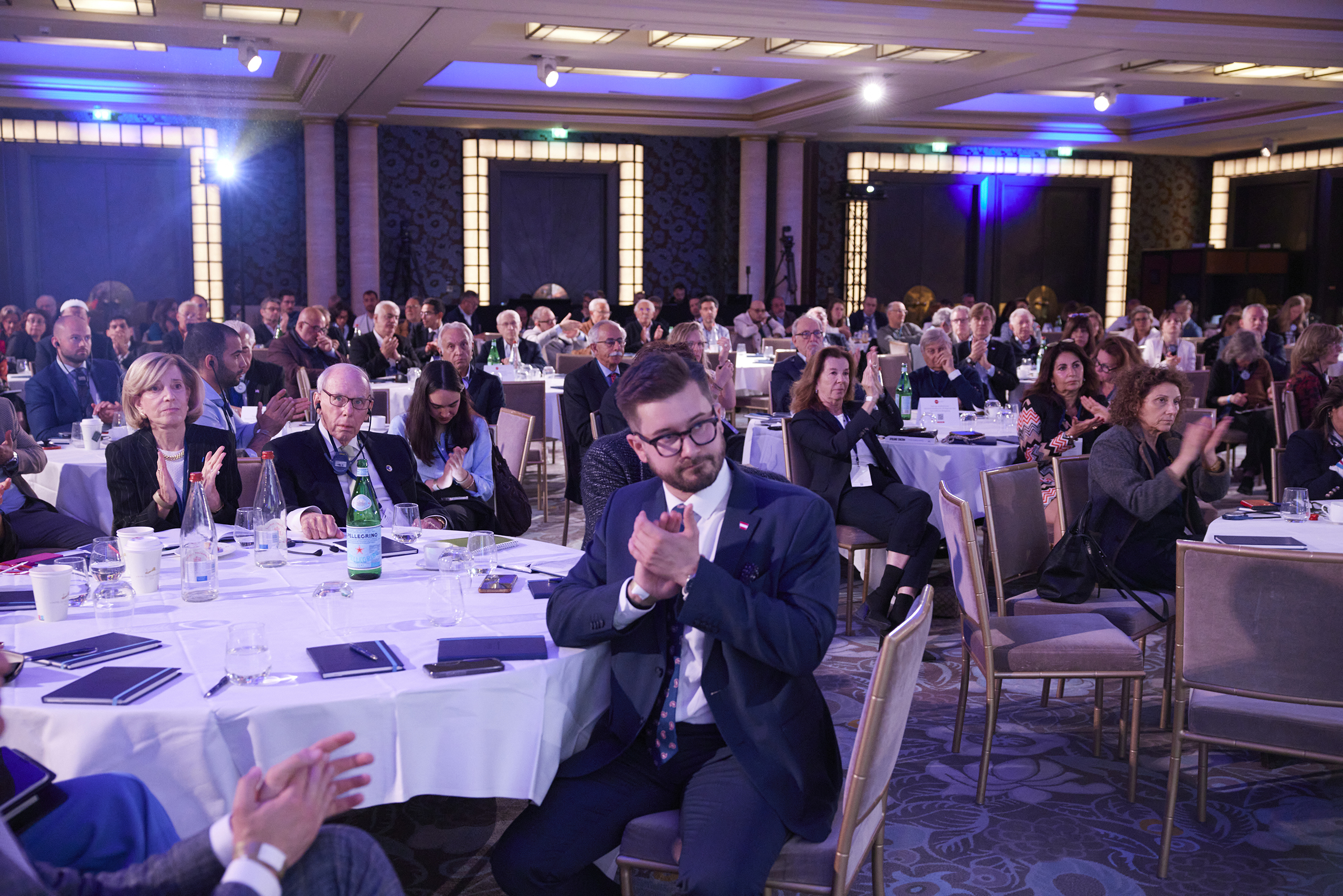
The fourth ELNET International Policy Conference (EIPC) was a major success. The EIPC is Europe’s premier biennial pro-Israel conference. The conference’s theme this year was “Stronger Together. Europe, Israel, and the Middle East in a Tumultuous World.” Held in Paris on May 18-19, 2025 amid a Europe-Israel crisis due to the ongoing war in Gaza, the conference brought together nearly 400 participants and over 40 speakers considered some of the most influential policymakers and leading public opinion-makers from Europe, Israel, the U.S., and the Middle East to discuss ELNET’s raison d’être: to expand diplomatic, defense, and economic relations between Europe and Israel based on shared values, and to identify strategic opportunities and threats.
Three themes permeated remarks made by European and Israeli ministers, parliamentarians, journalists, and experts:
The three themes of EIPC 2025
- Opportunities for Europe and Israel to deepen relationships have never been more urgent and important for Israel and Europe
- Europe and Israel share the same adversaries – Iran and Russia
- ELNET plays a crucial role in Europe, consolidating the Europe-Israel relationship around these themes
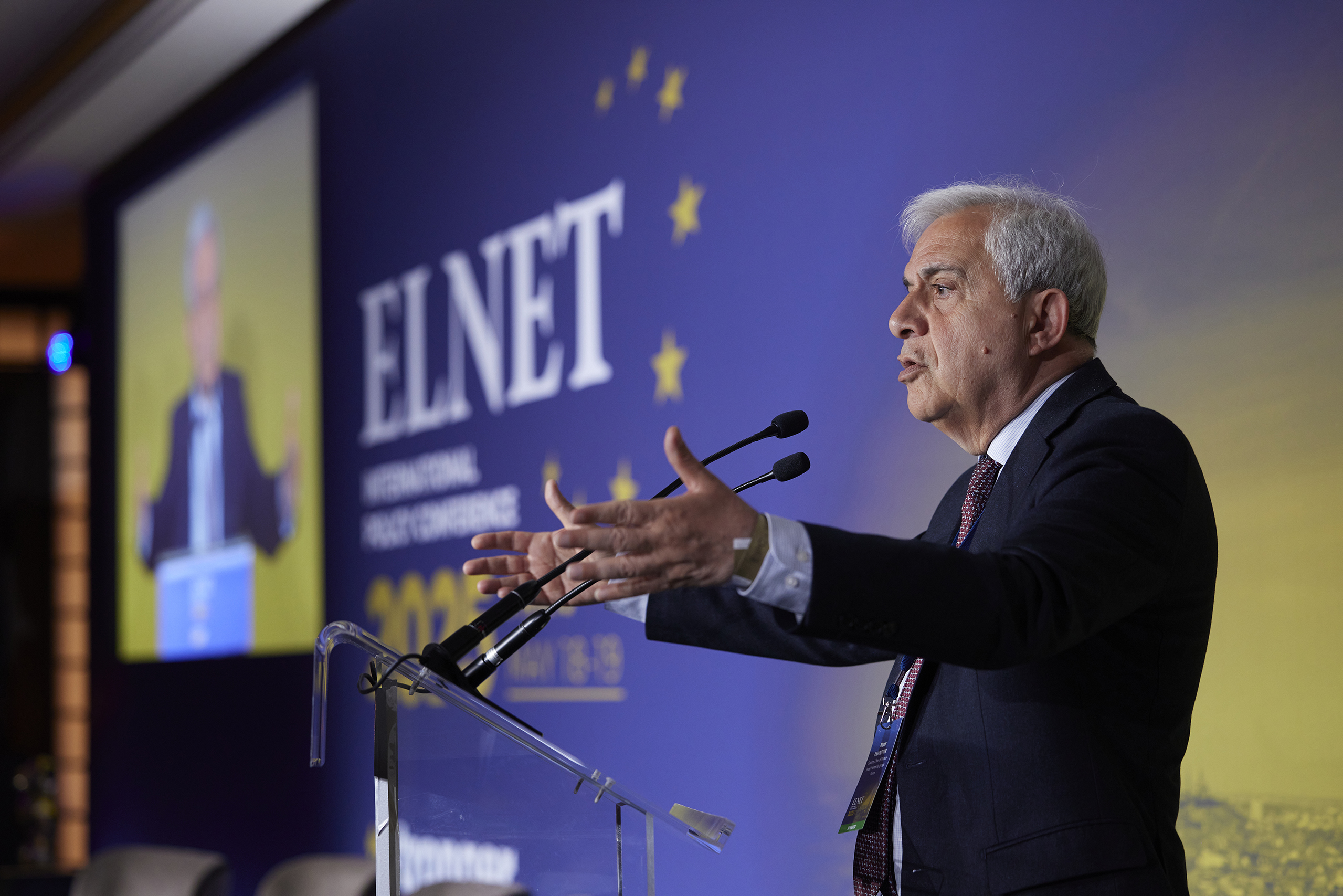
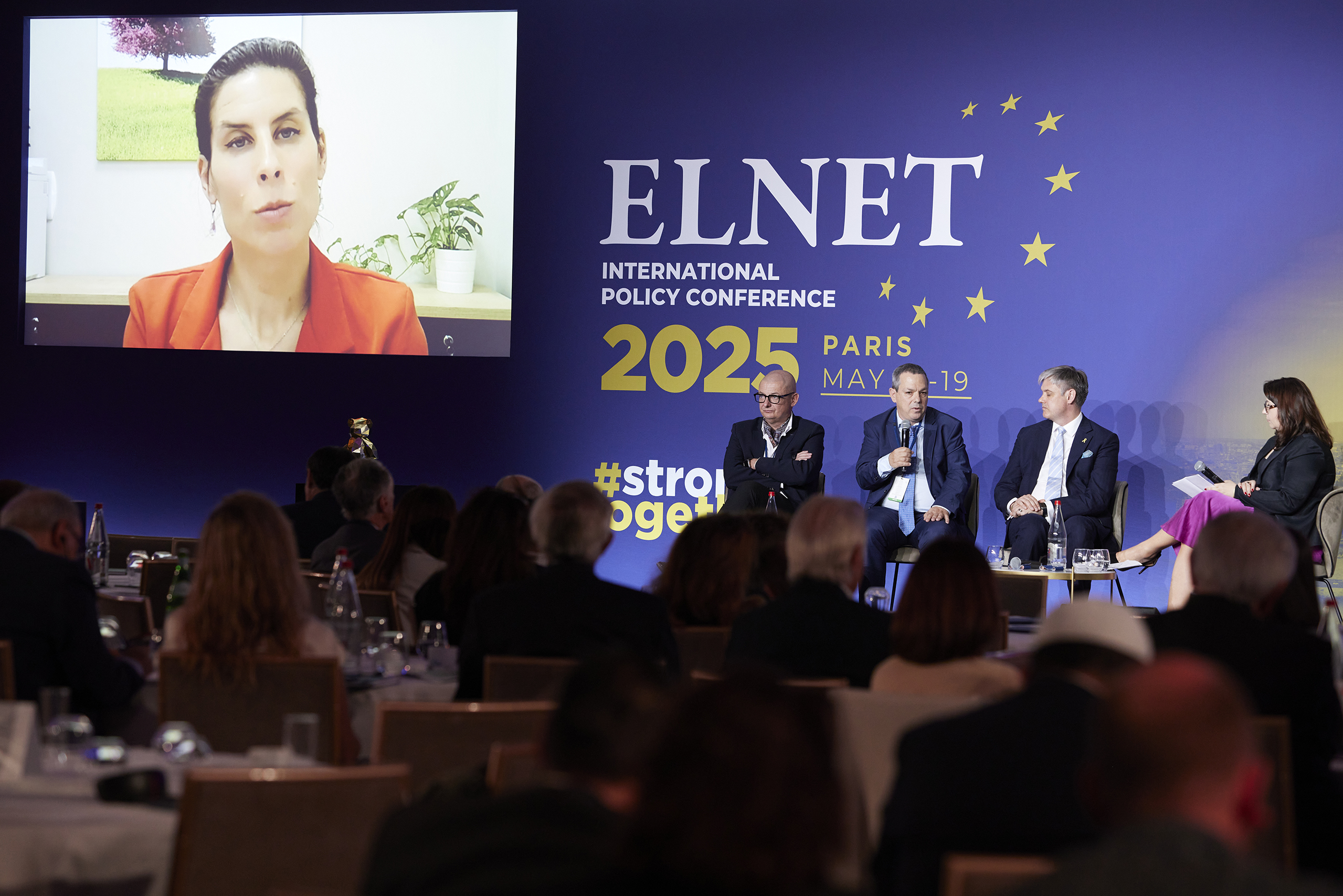
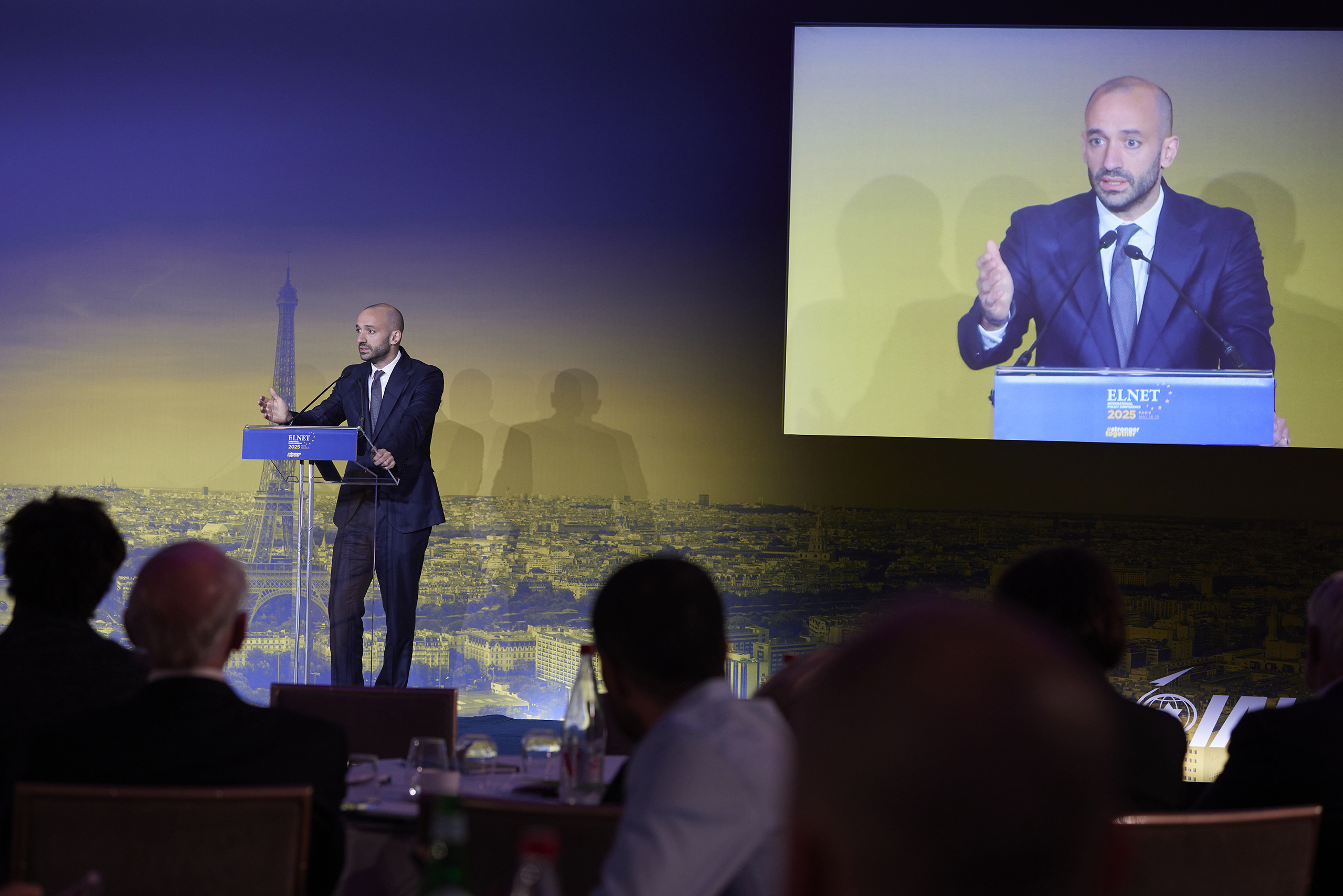
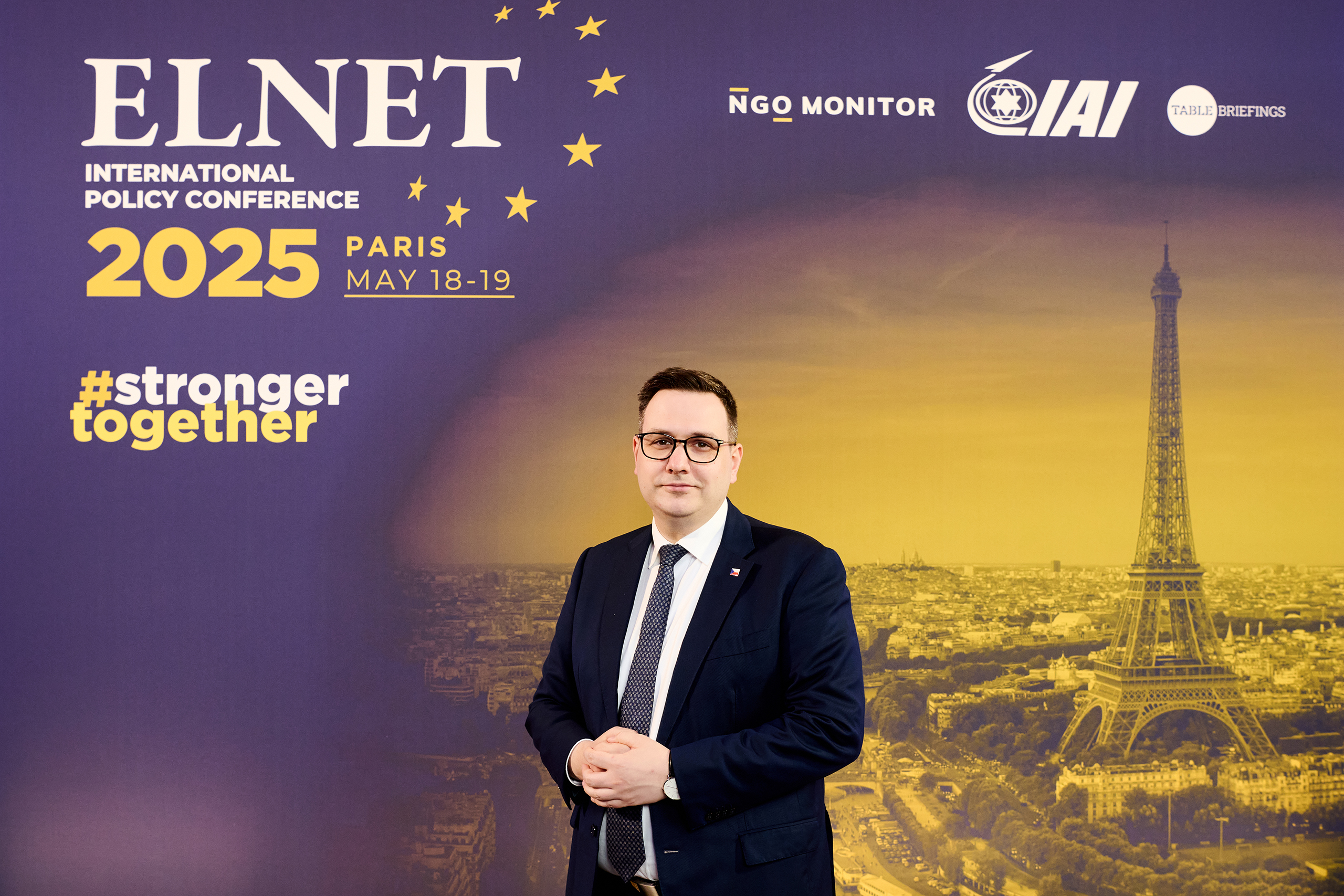
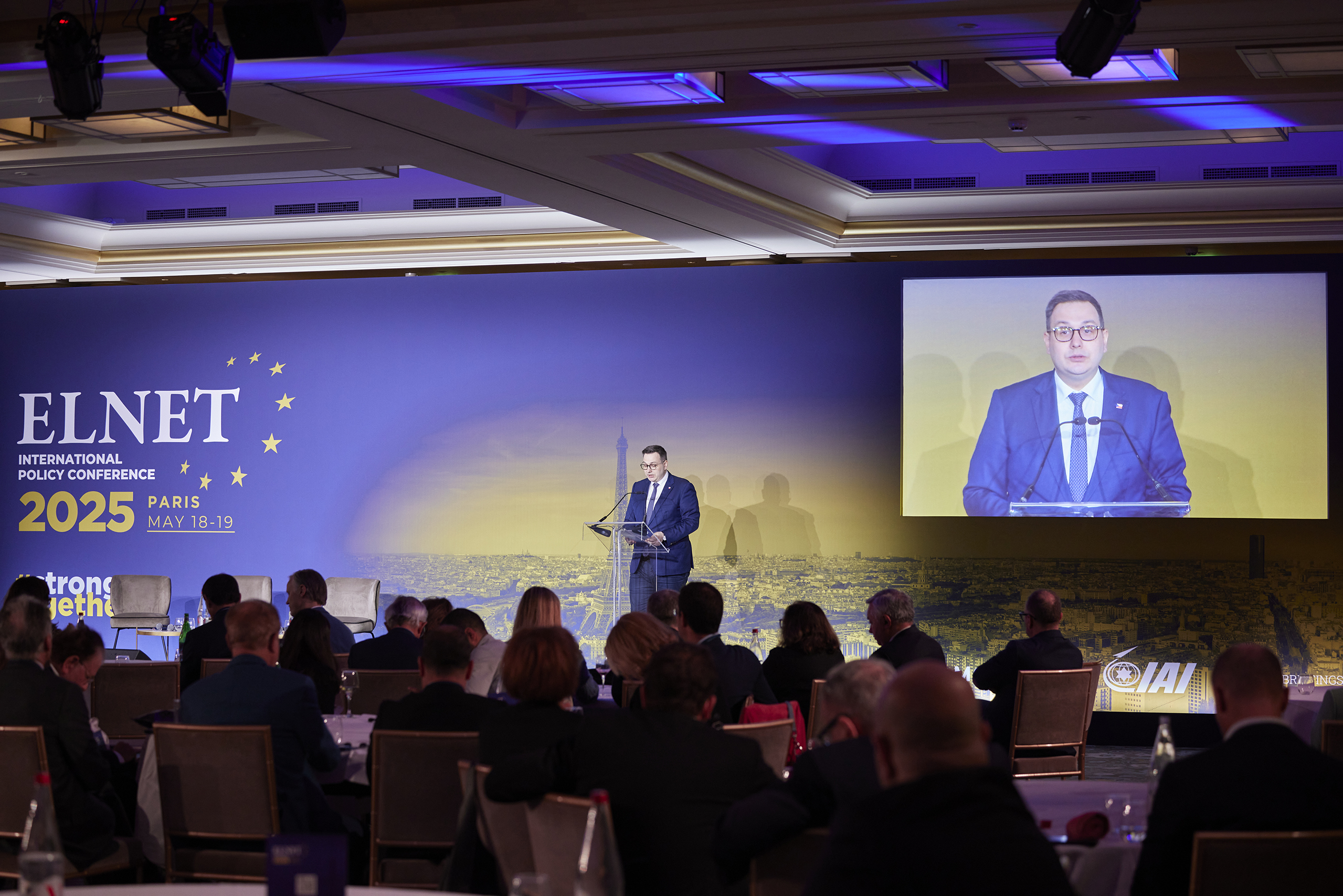
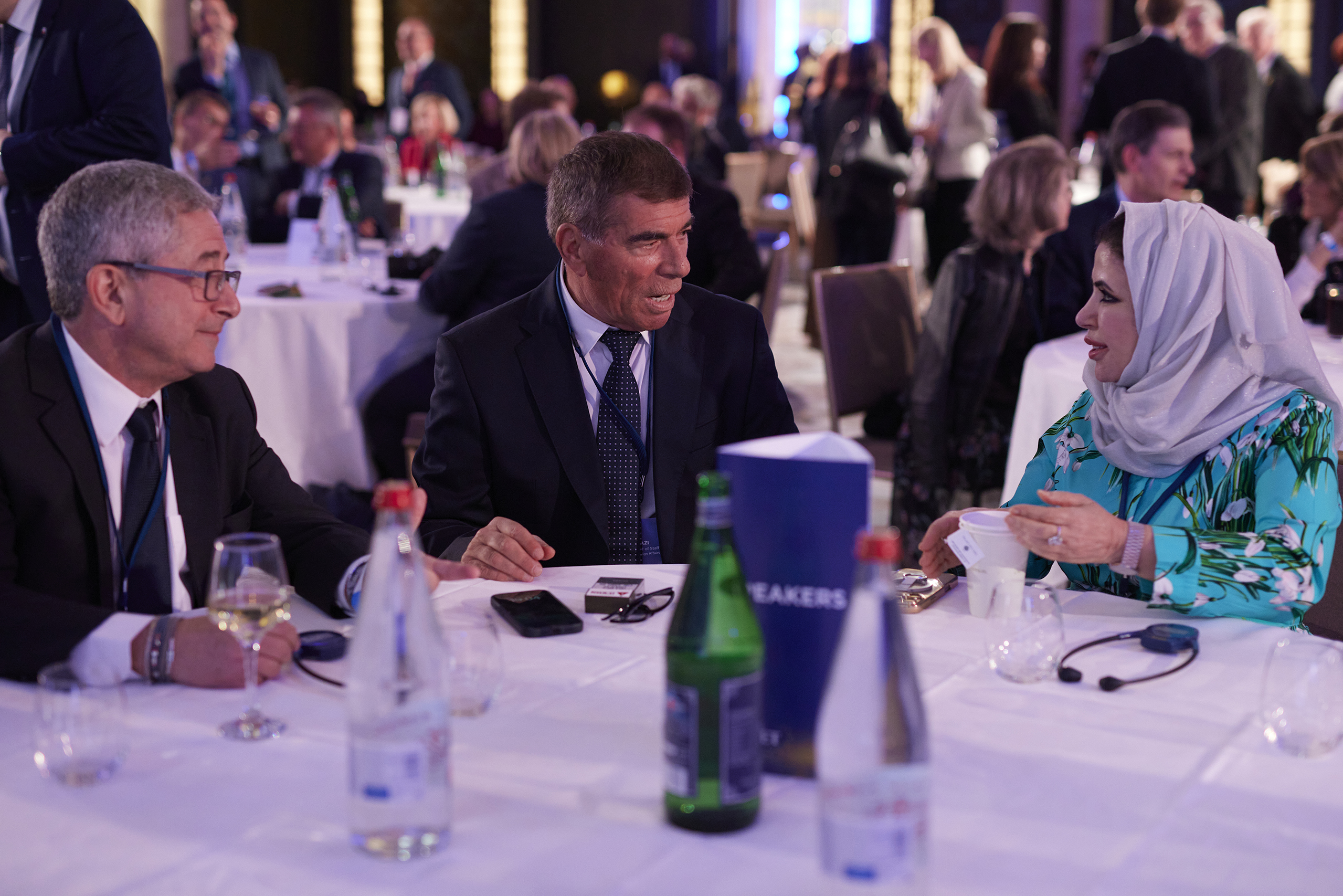
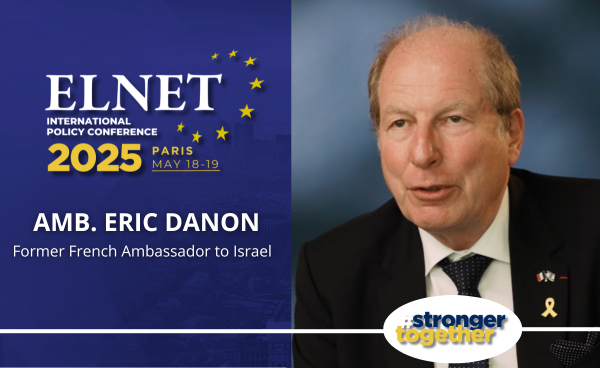
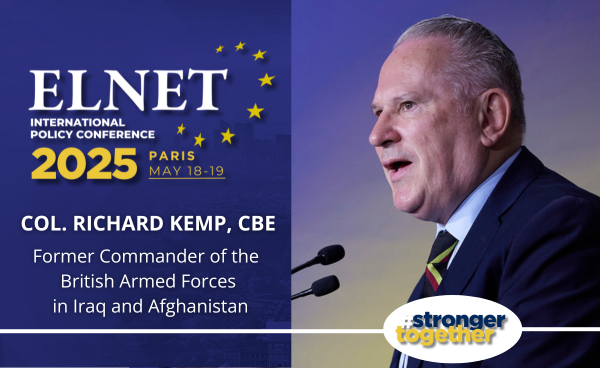
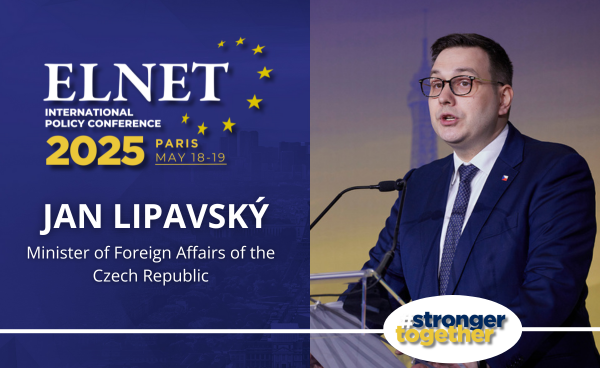
Prominent speakers included Minister Manuel Valls, French Minister of State for Overseas Territories; Minister Jan Lipavský, Czech Minister of Foreign Affairs; Minister Claudia Plakolm, Austrian Federal Minister for Europe, Integration and Family, Federal Chancellery; Minister Ze’ev Elkin, Israeli Minister in the Ministry of Finance Responsible for the Reconstruction of the South and North; Magnus Brunner, EU Commissioner, Internal Affairs and Migration (via video message); Benjamin Haddad, French Deputy Minister in charge of Europe; Col. Richard Kemp CBE, Former Commander, British Armed Forces in Iraq and Afghanistan; Lt. Gen. (res.) Gabi Ashkenazi, Former Chief of General Staff, Israel Defense Forces (IDF); former Foreign Affairs Minister; and Dr. Ebtesam al-Ketbi, President and Founder, Emirates Policy Center (EPC).
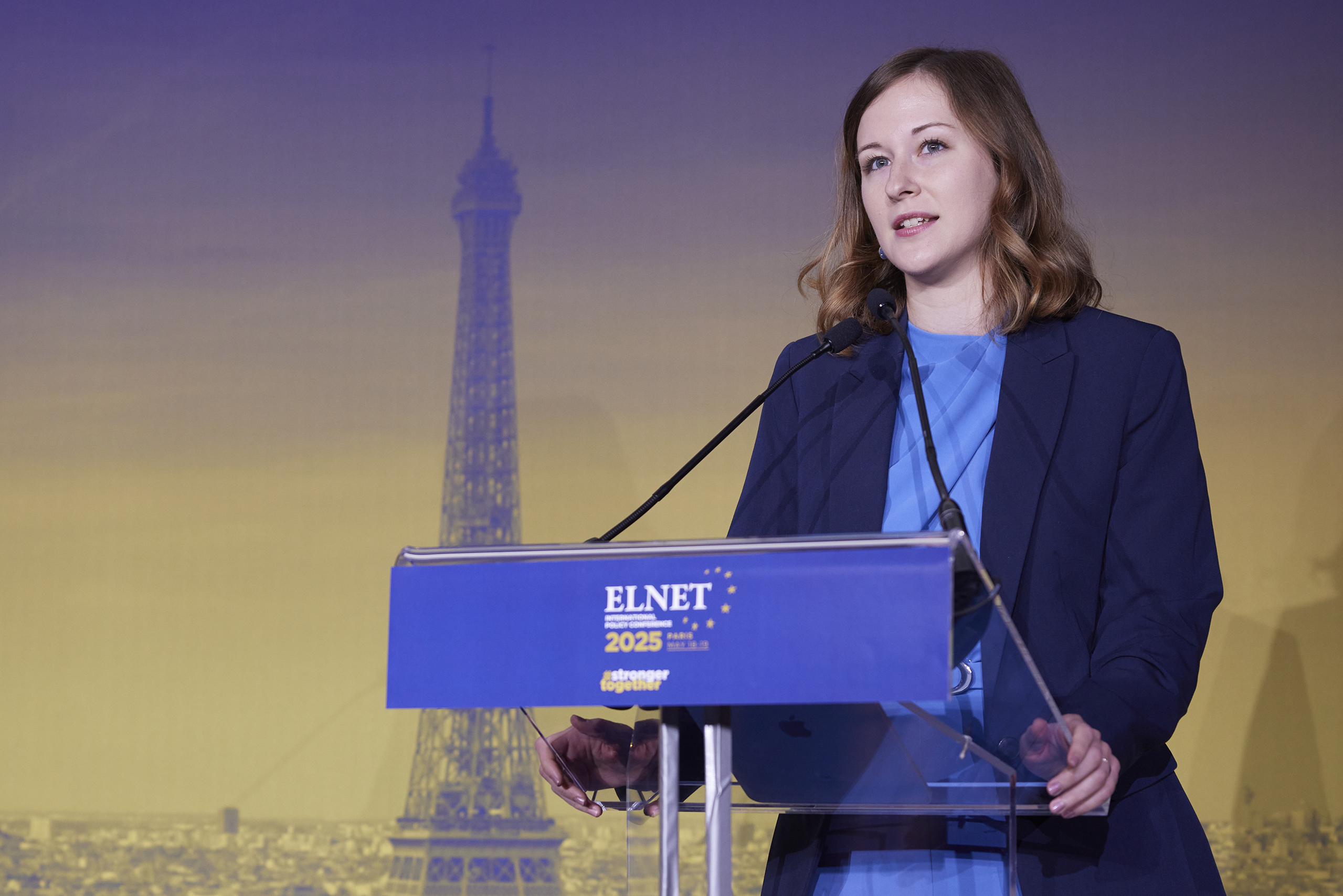
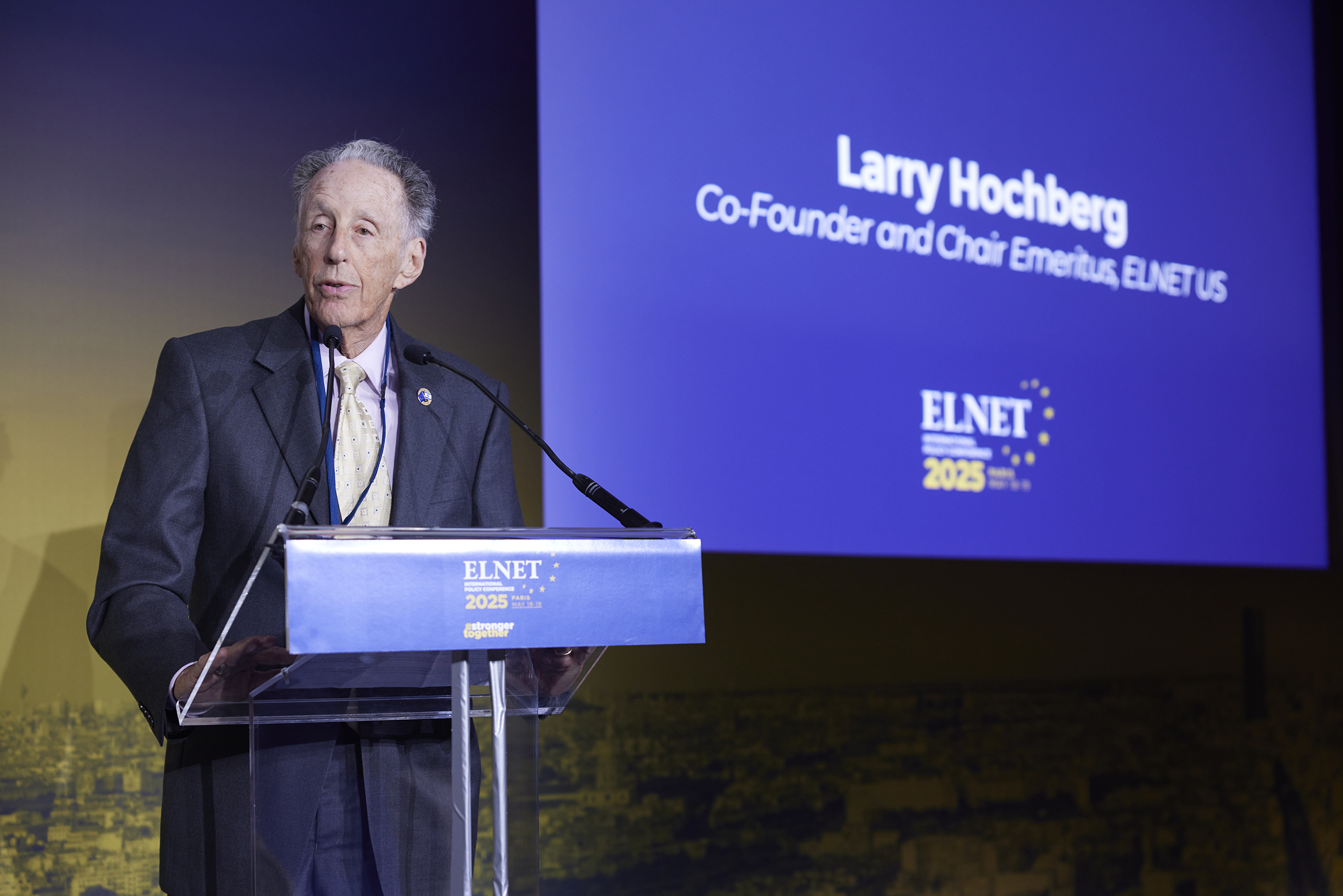
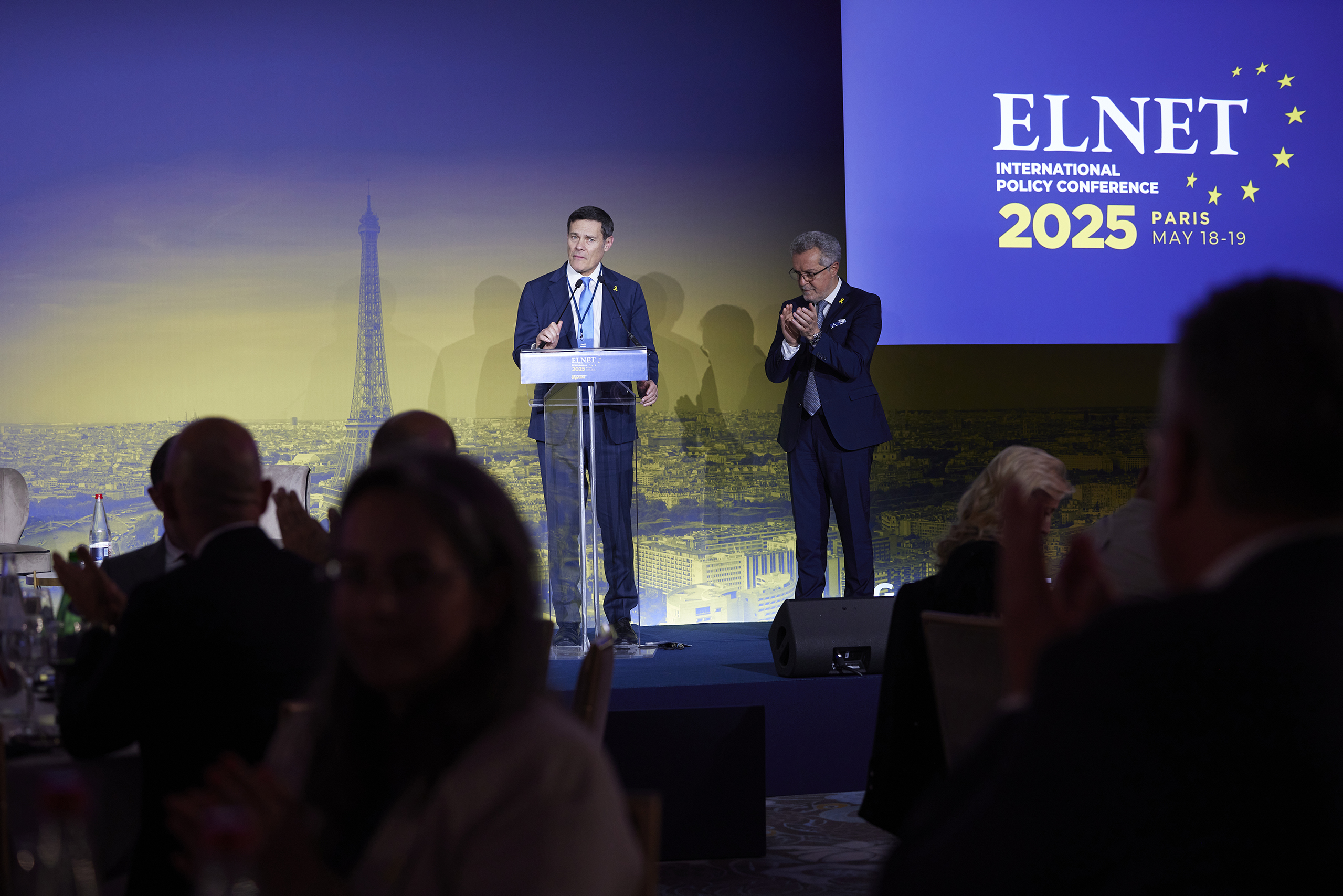
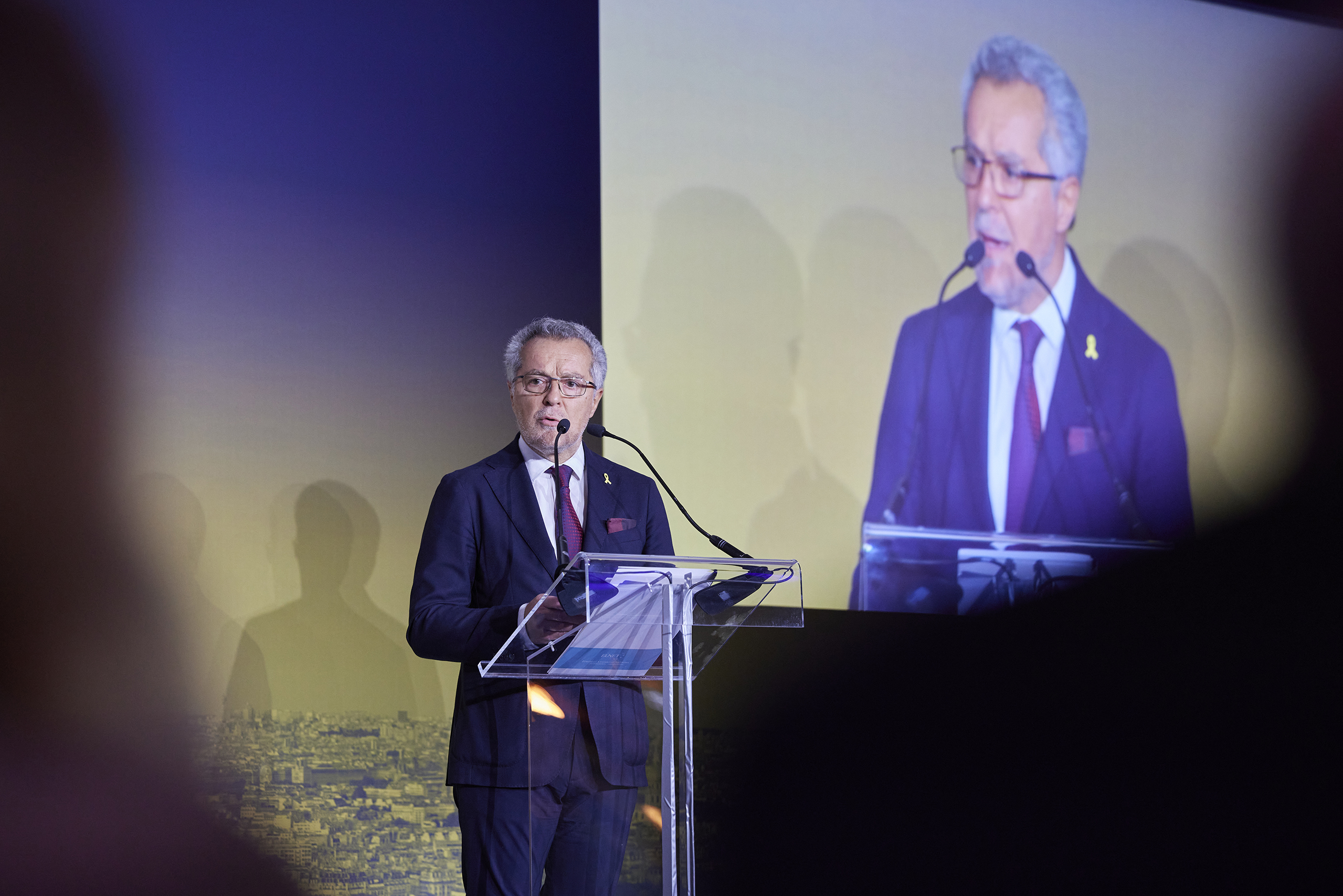
Opening session — EIPC 2025
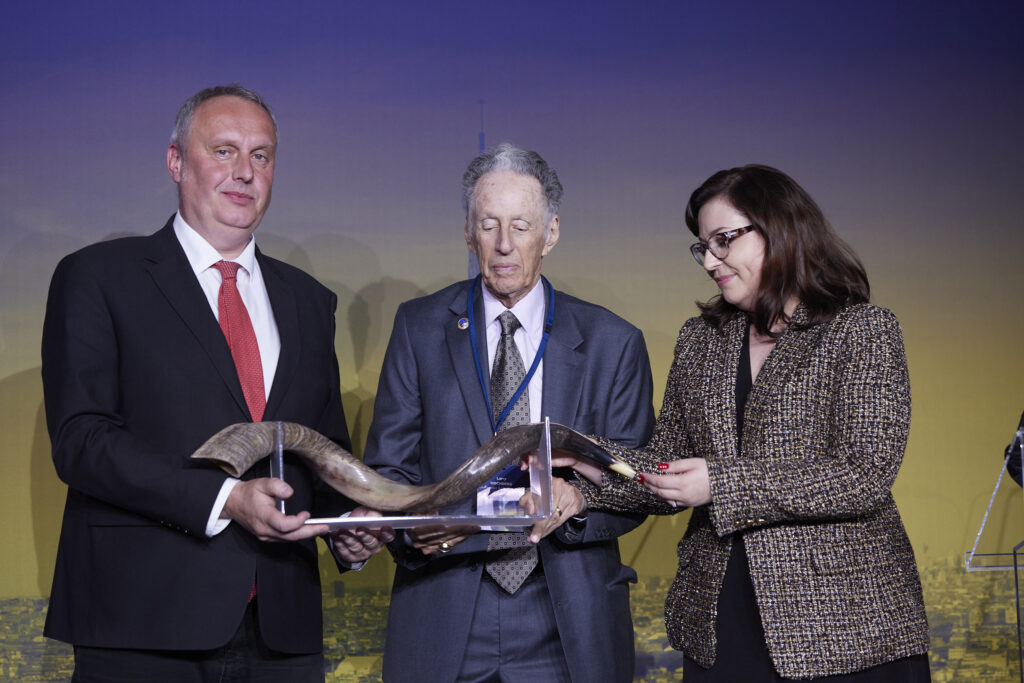
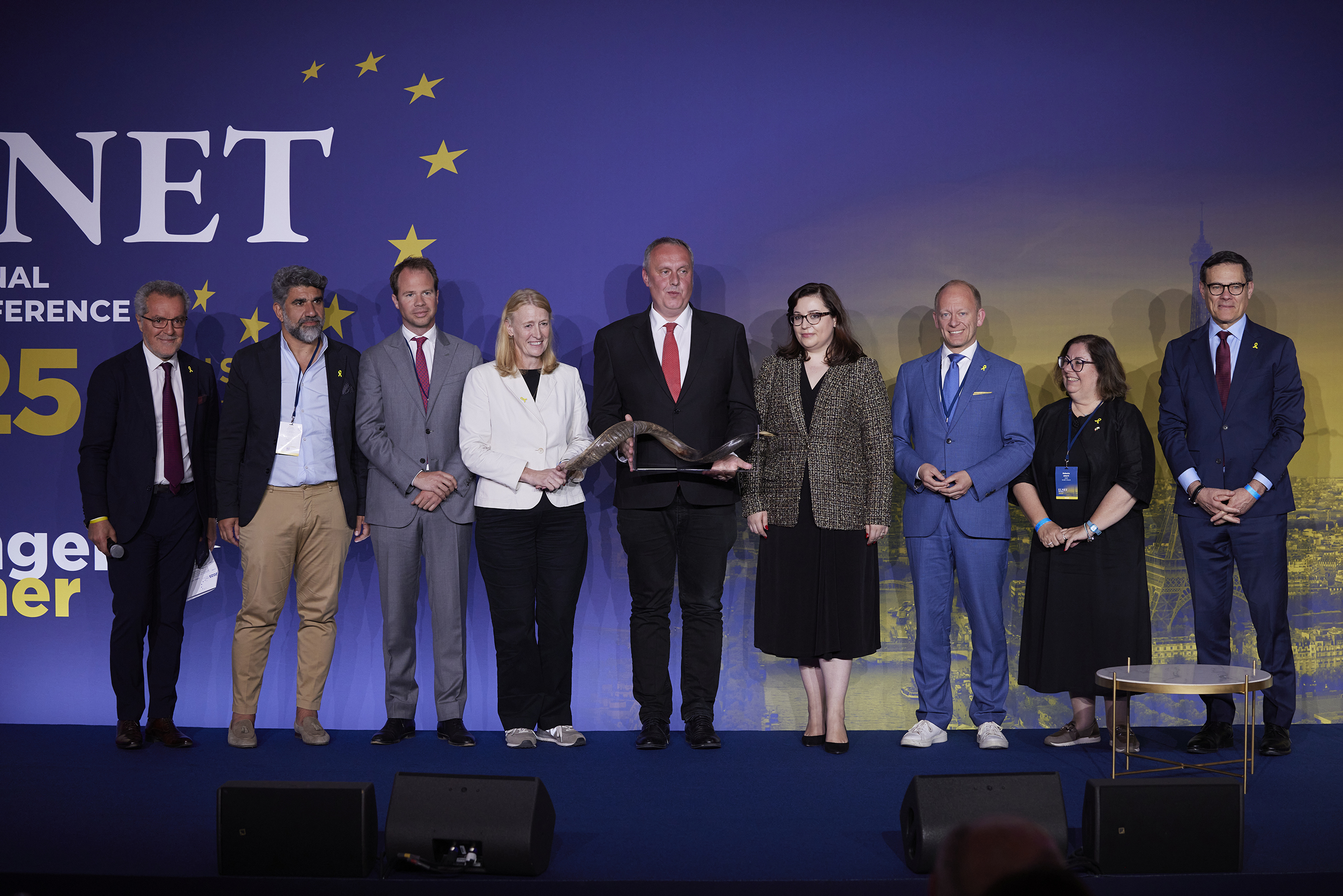
This year’s Voice of Conscience Award was granted to Amb. Tomáš Pojar, Advisor for National Security in the Office of the Government of the Czech Republic, for his leadership, moral clarity, and lasting contribution to the Czech-Israeli partnership, rooted in a deep commitment to shared democratic values.
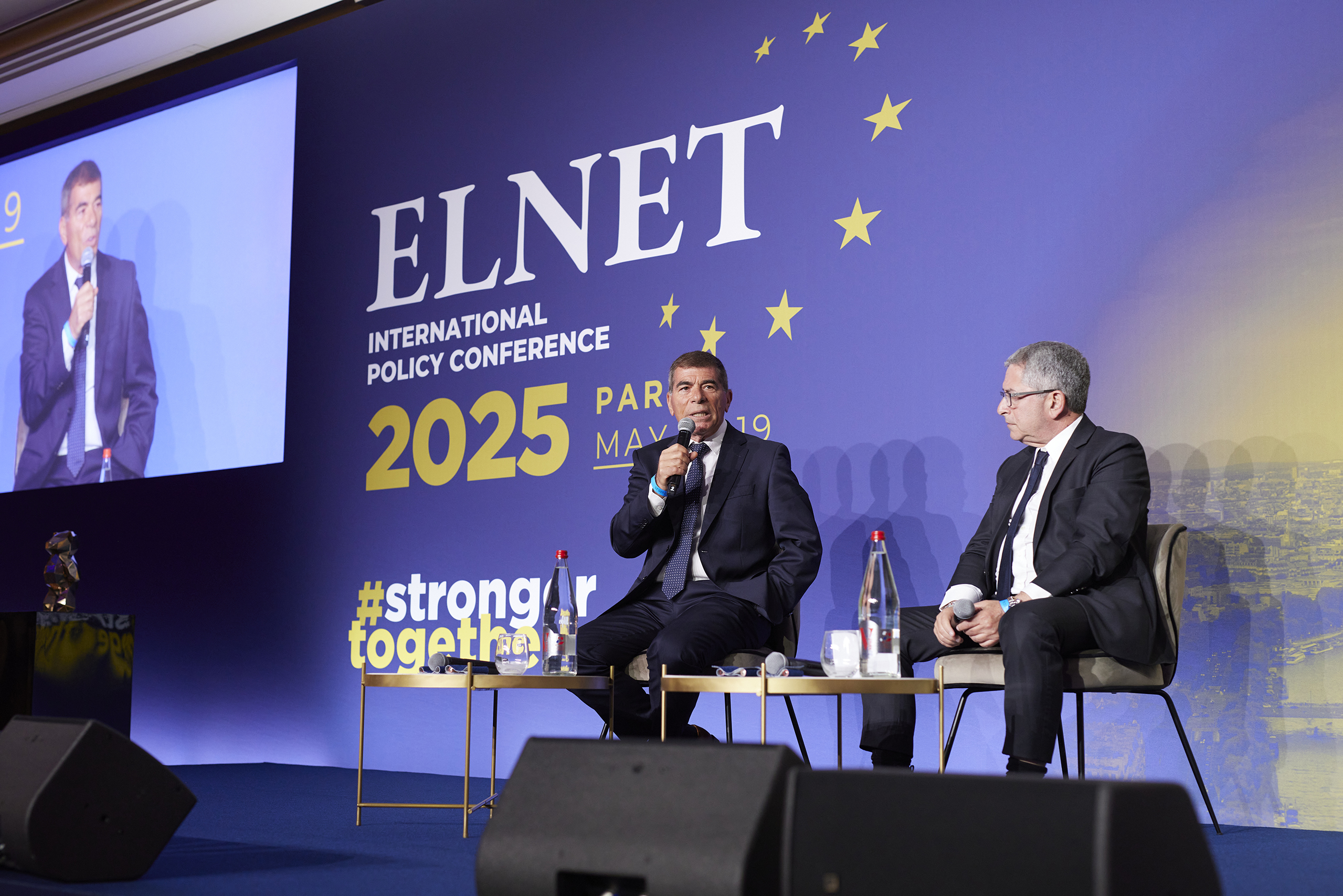
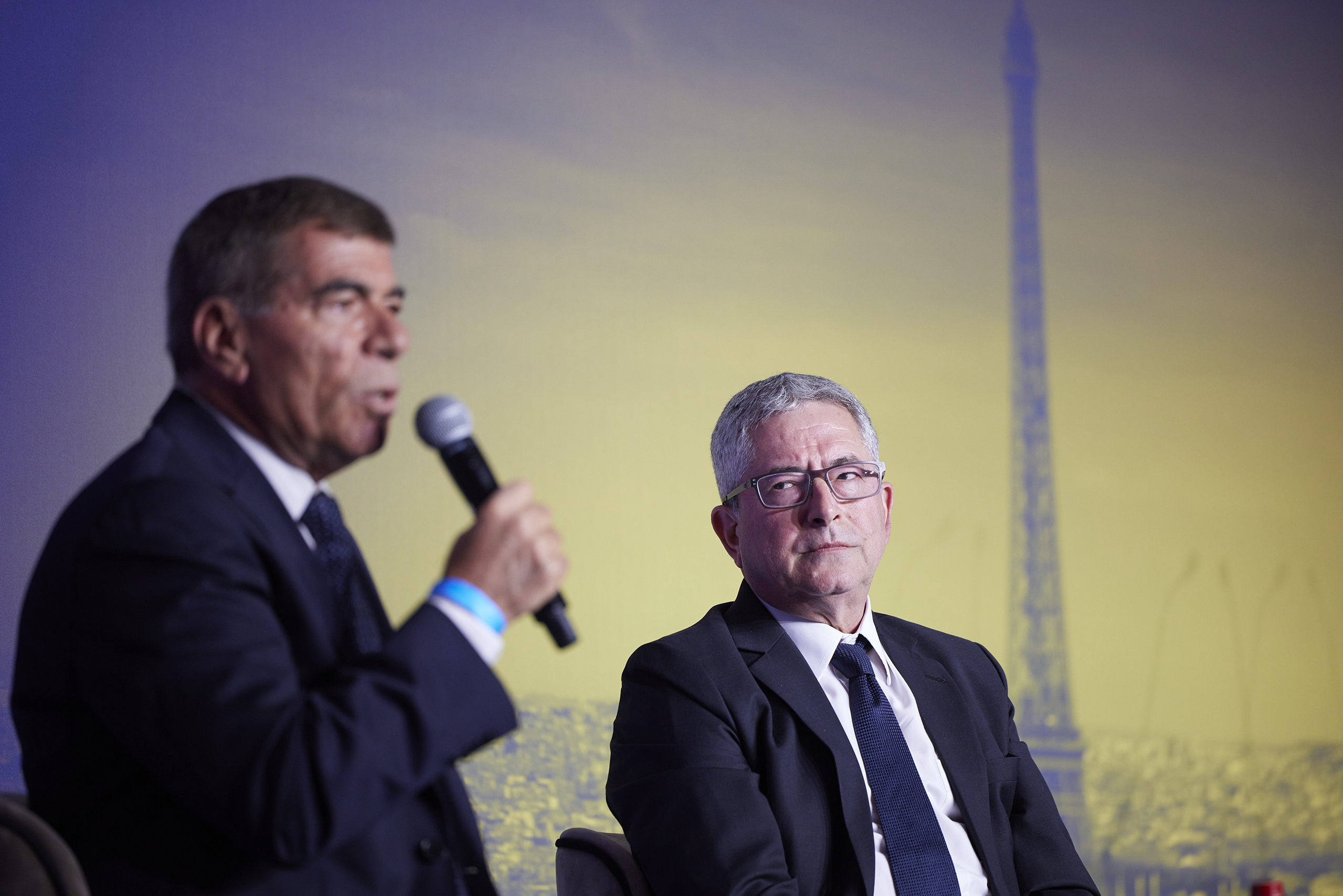
On the sidelines of the conference, ELNET arranged a meeting at the French National Assembly for Members of Knesset speaking at the EIPC, including Minister Ze’ev Elkin, MK Orit Farkash Hacohen, and MK Idan Roll. The MKs met with eight members of the France-Israel Friendship Group.
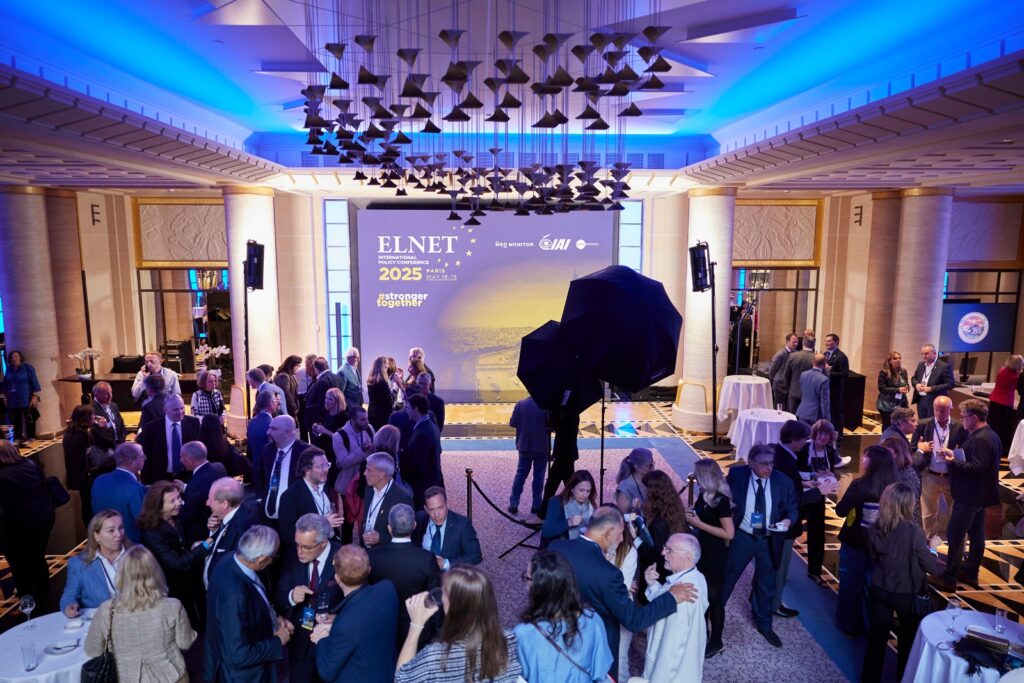

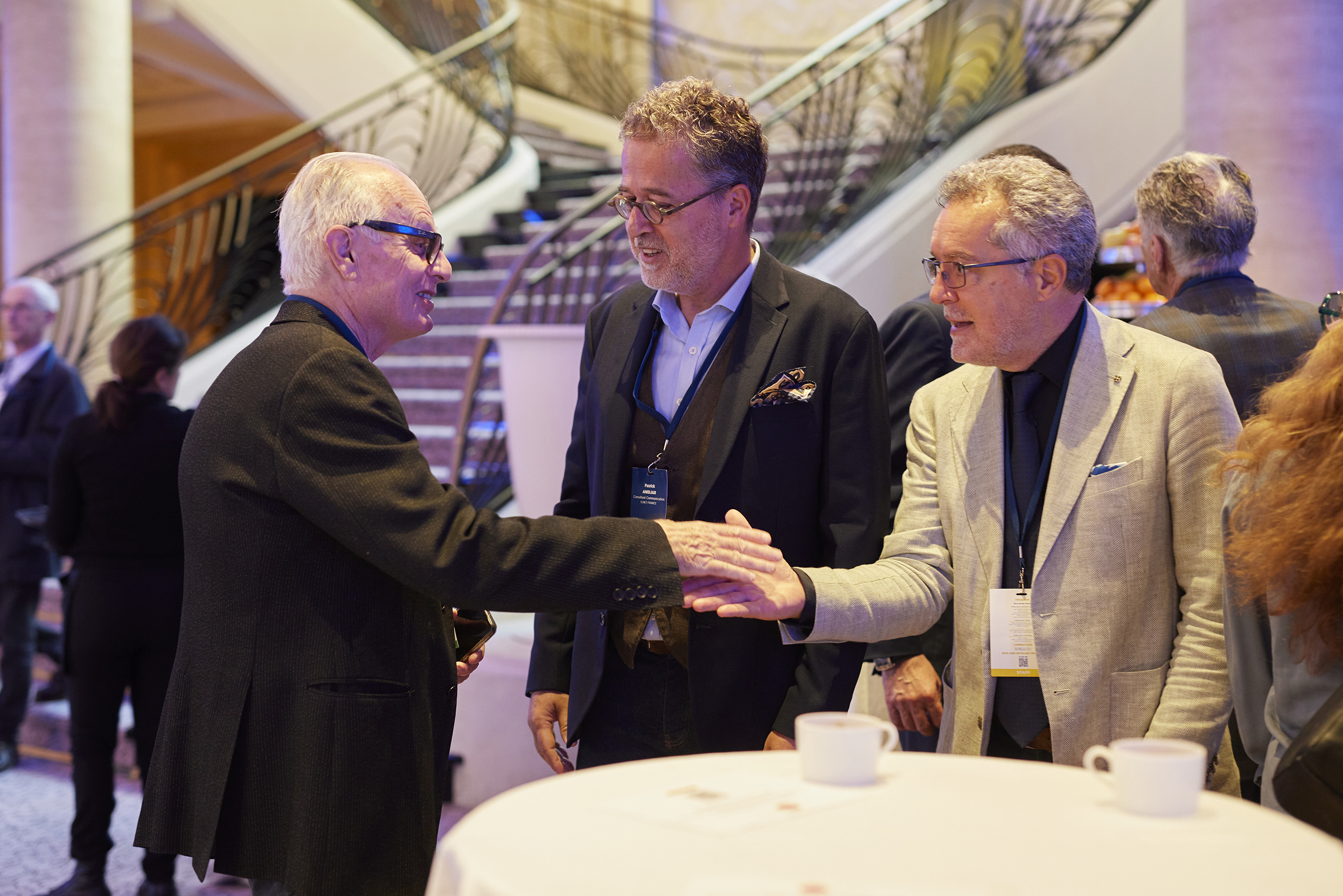
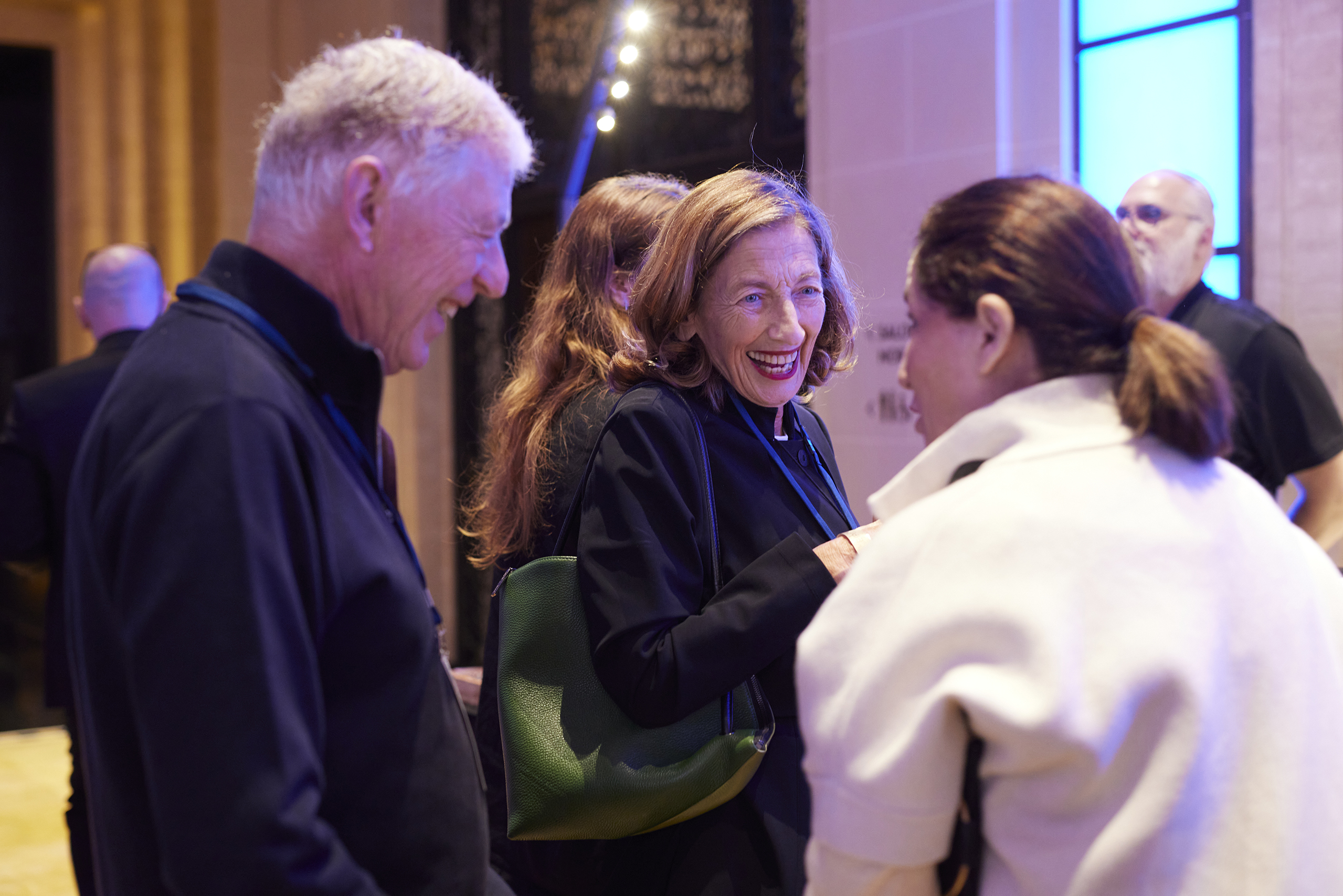
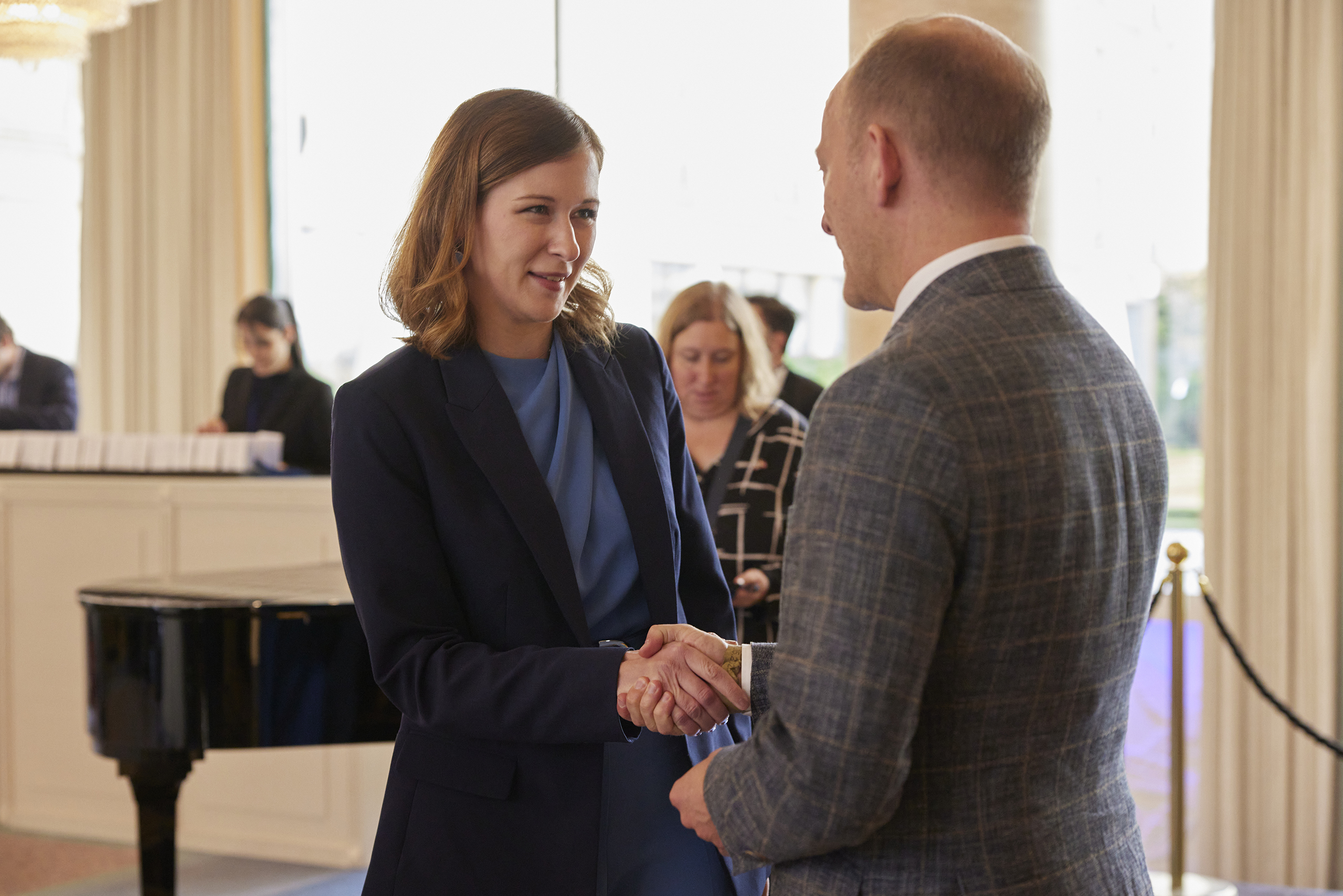
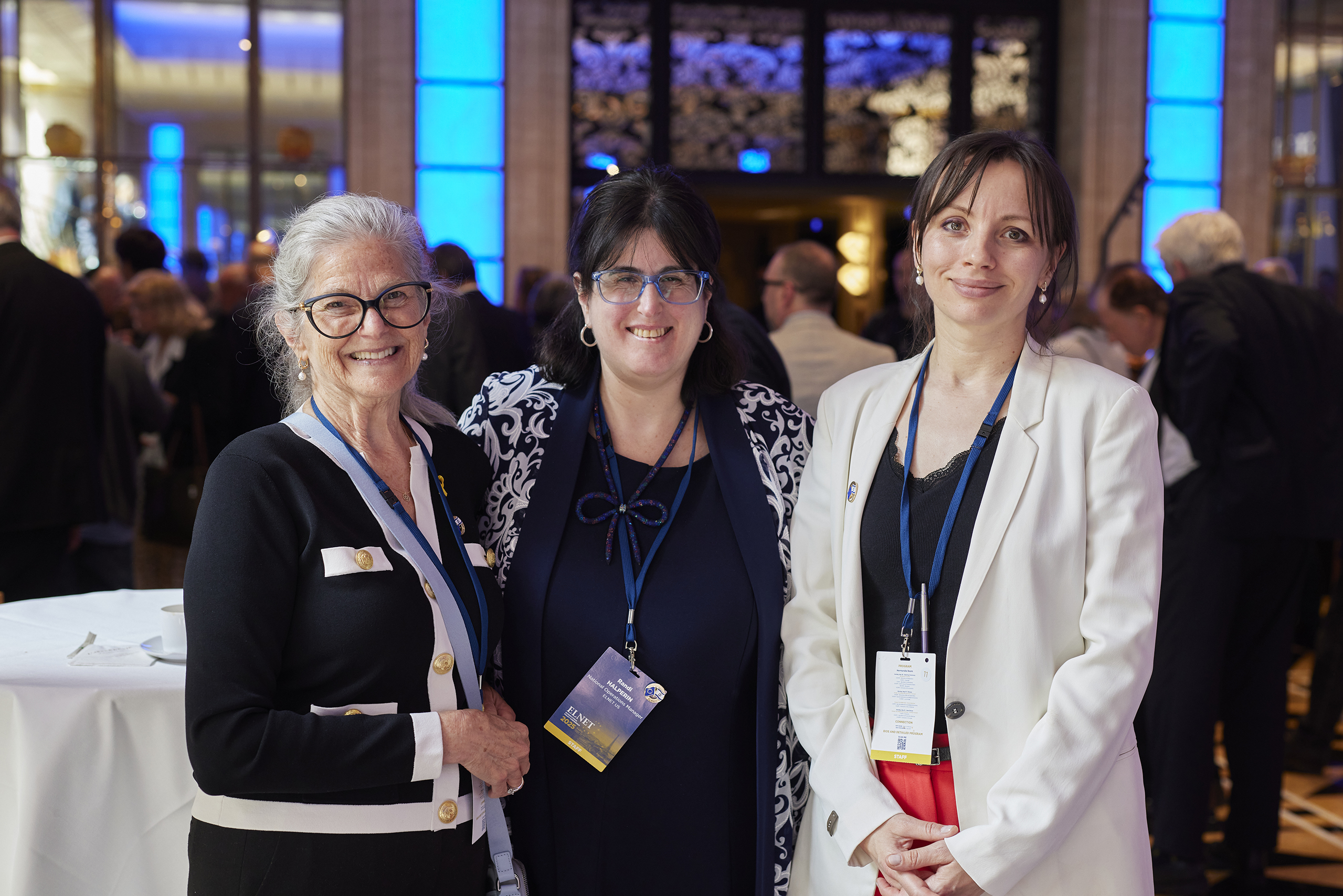
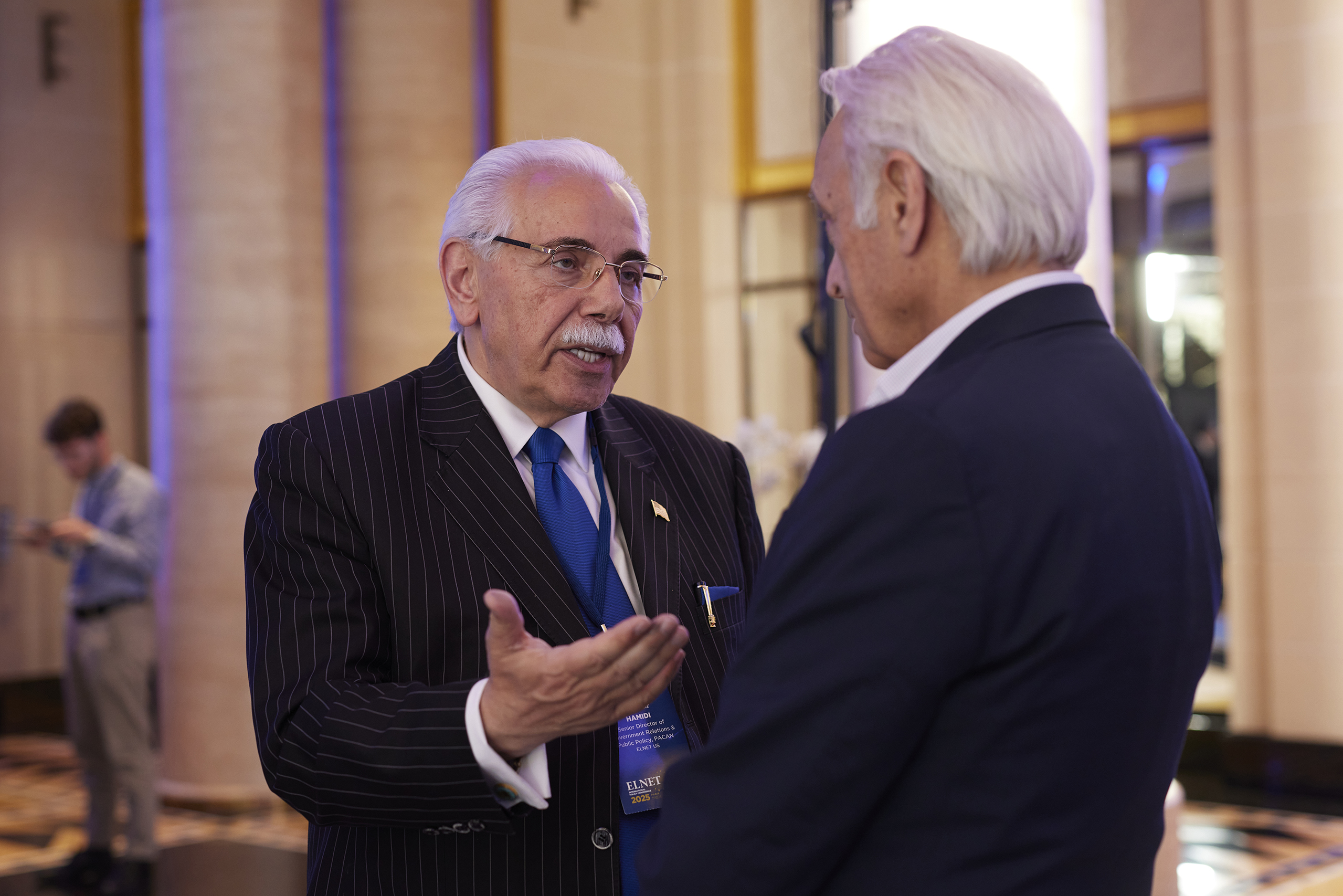
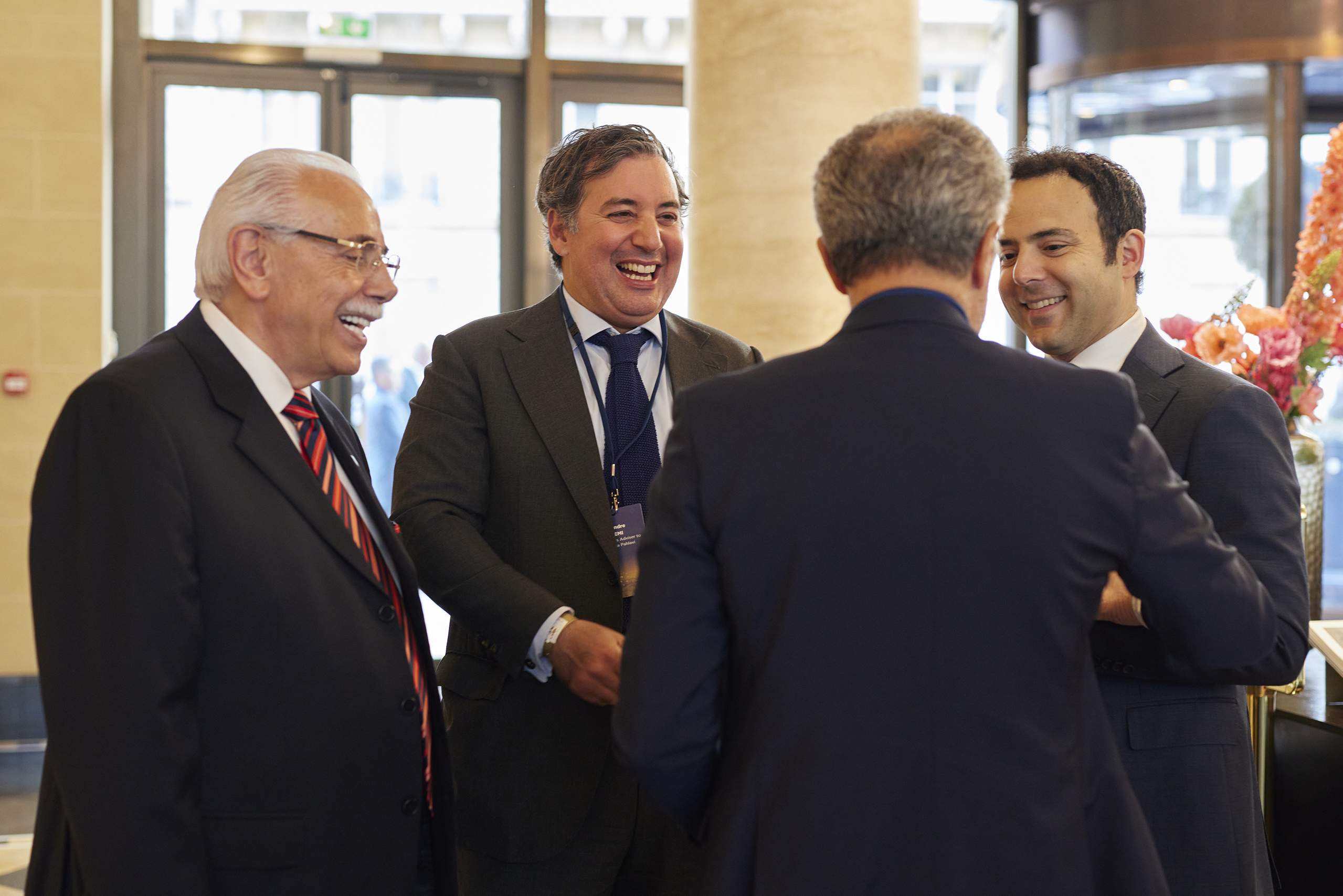
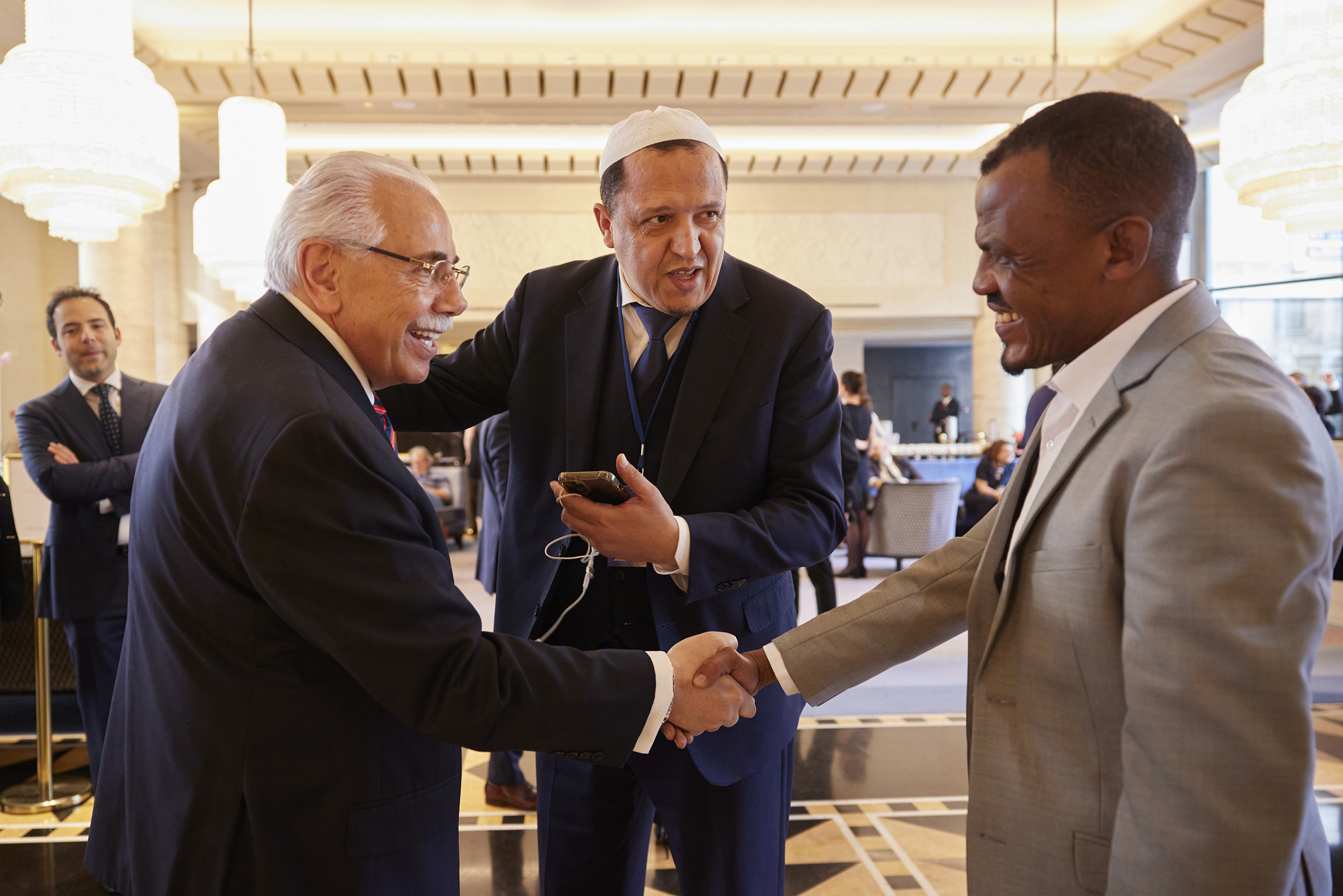
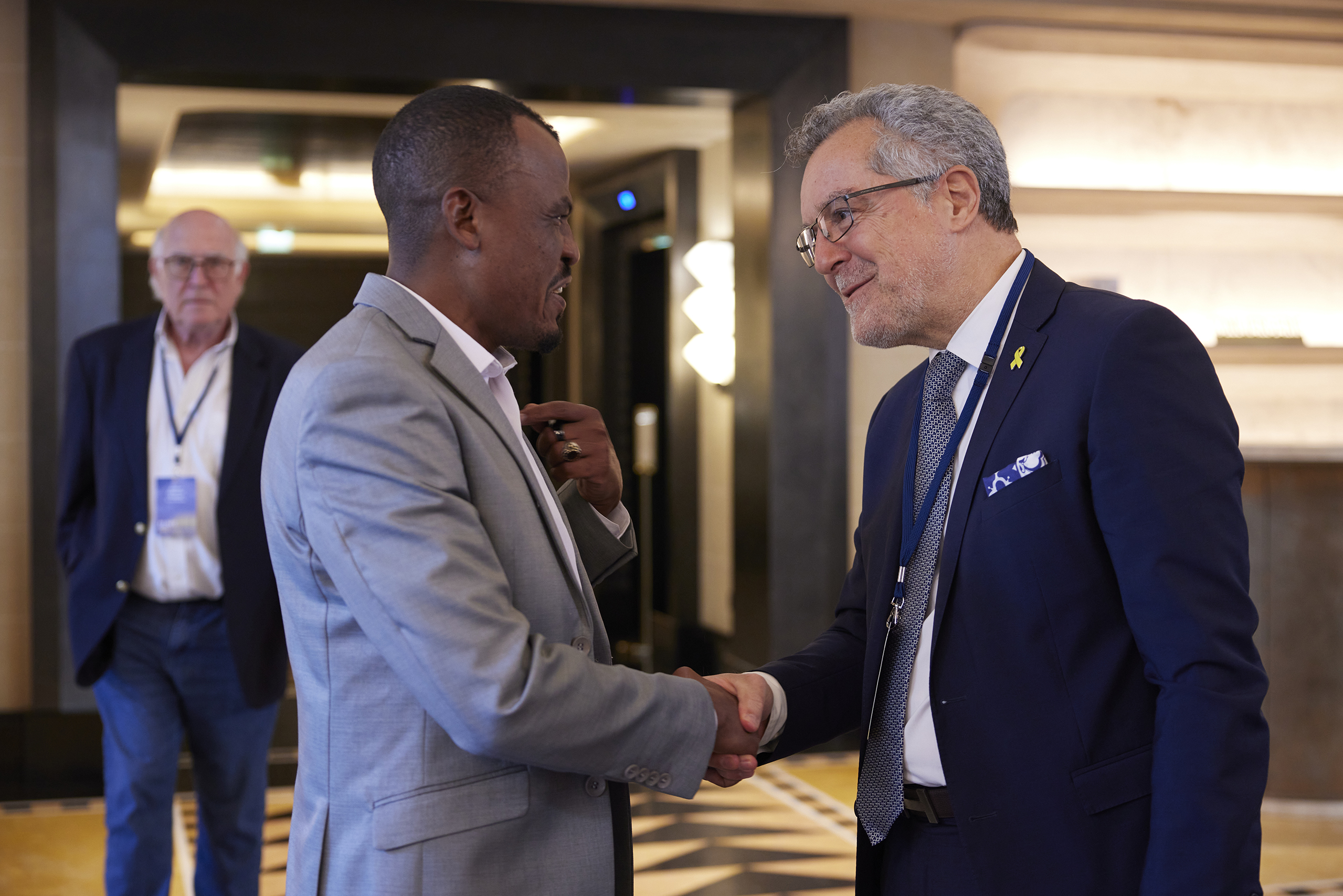
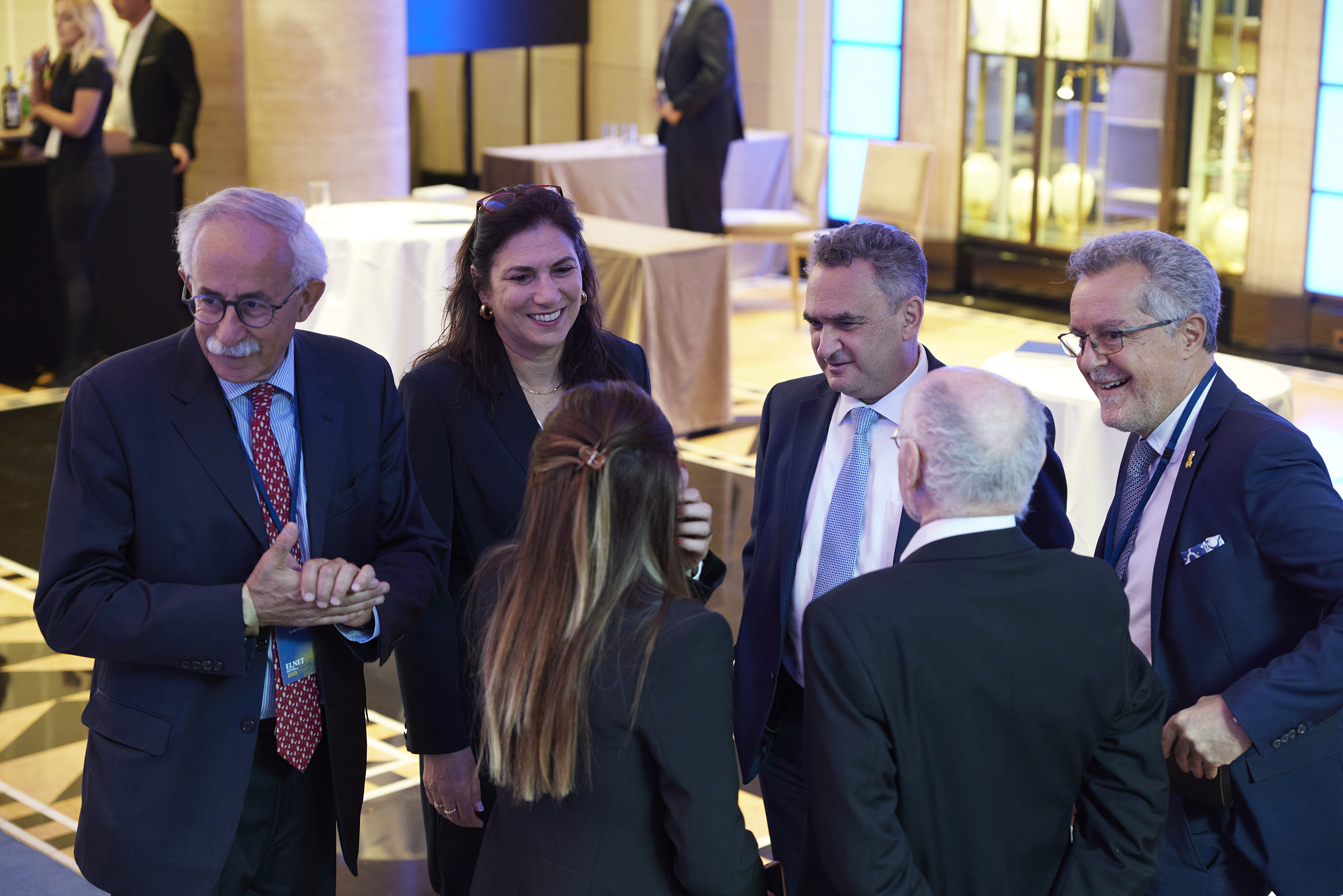
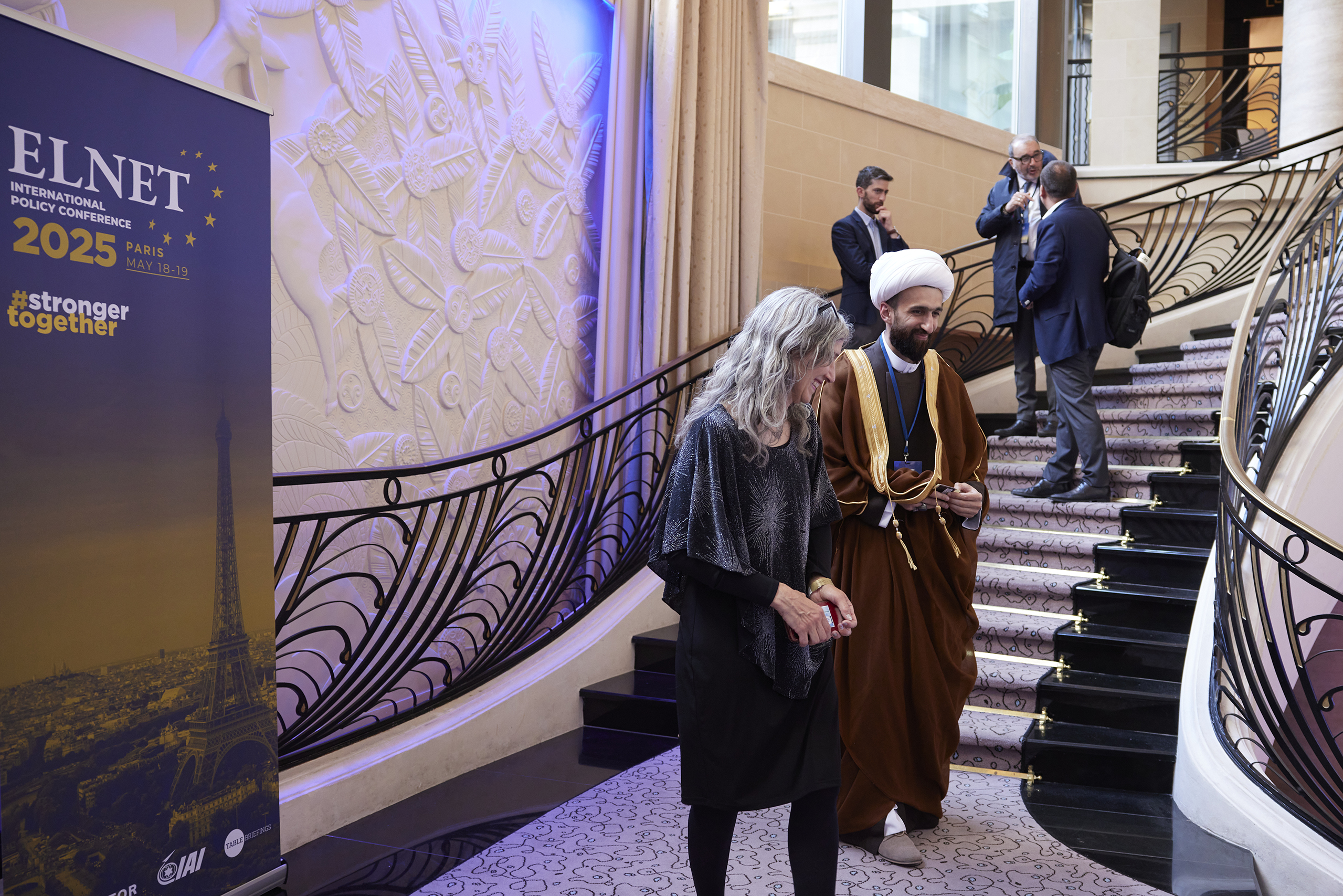
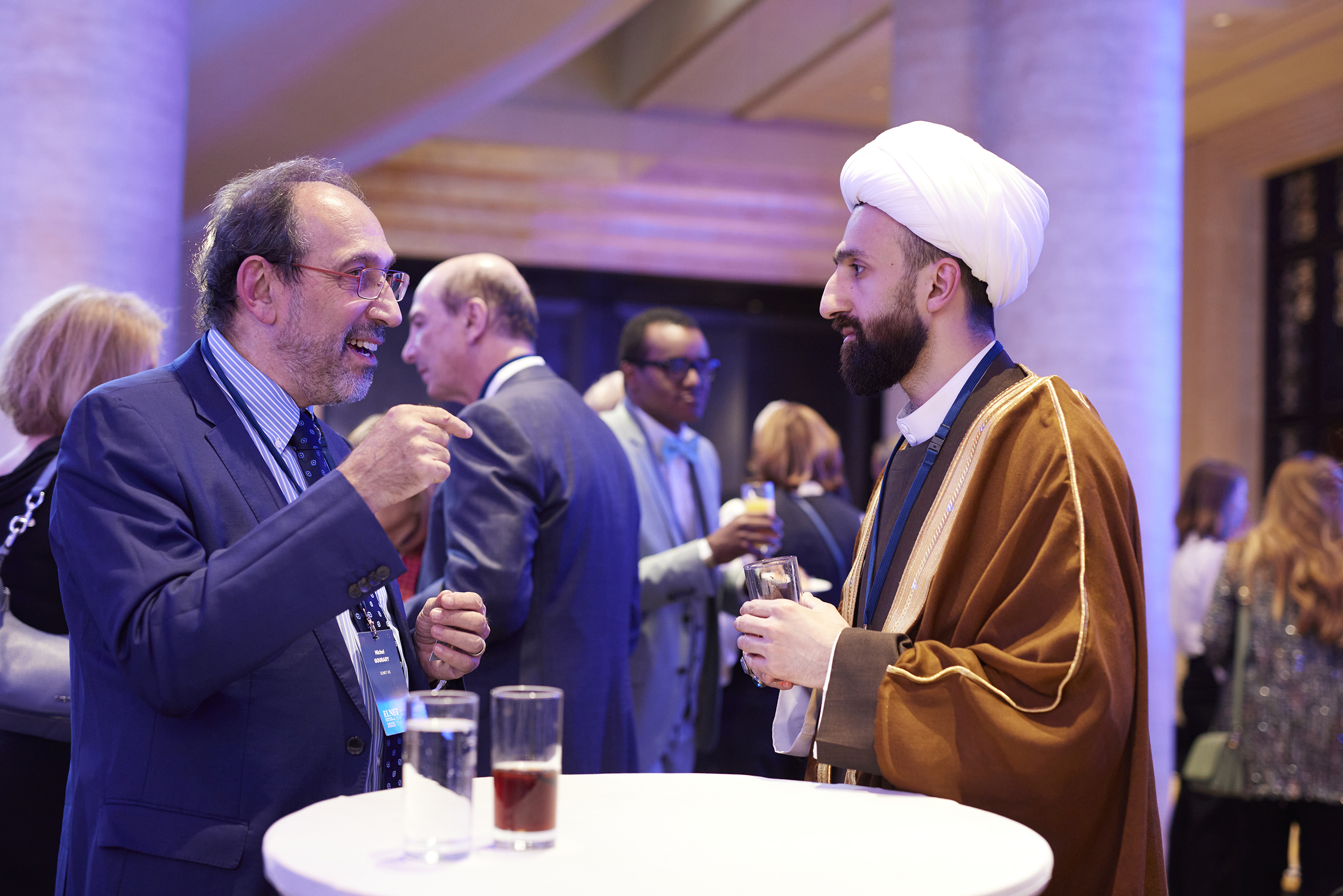
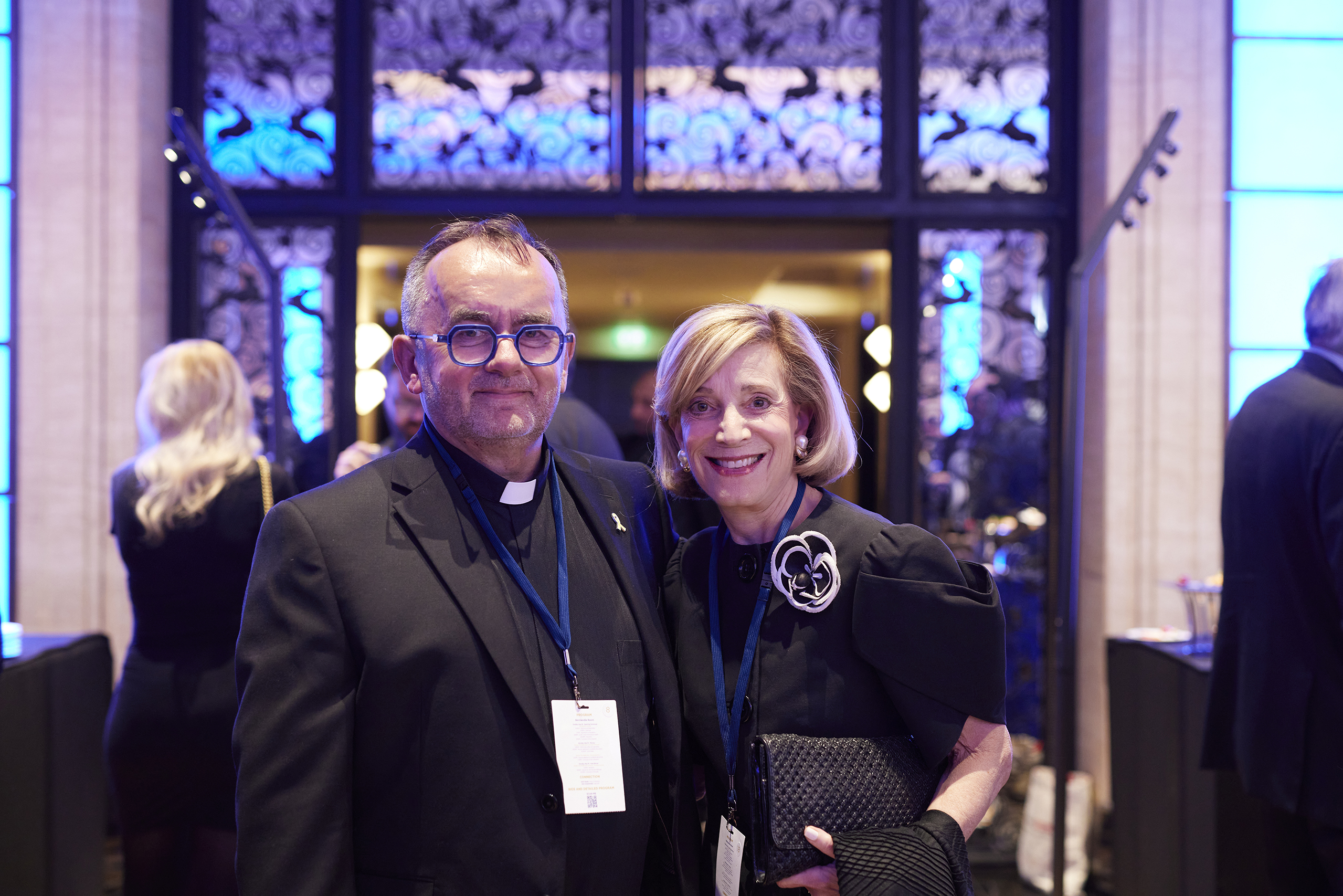
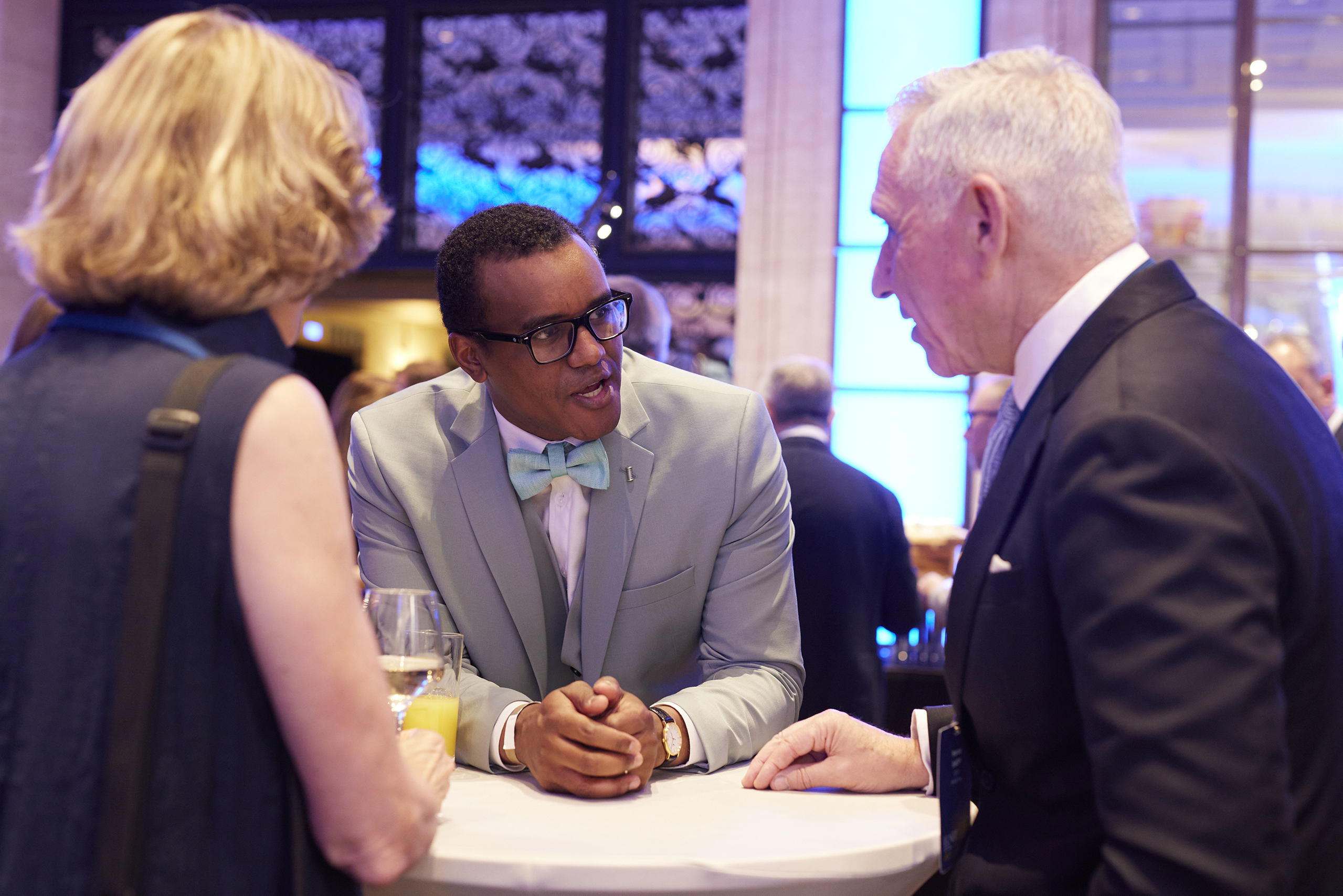
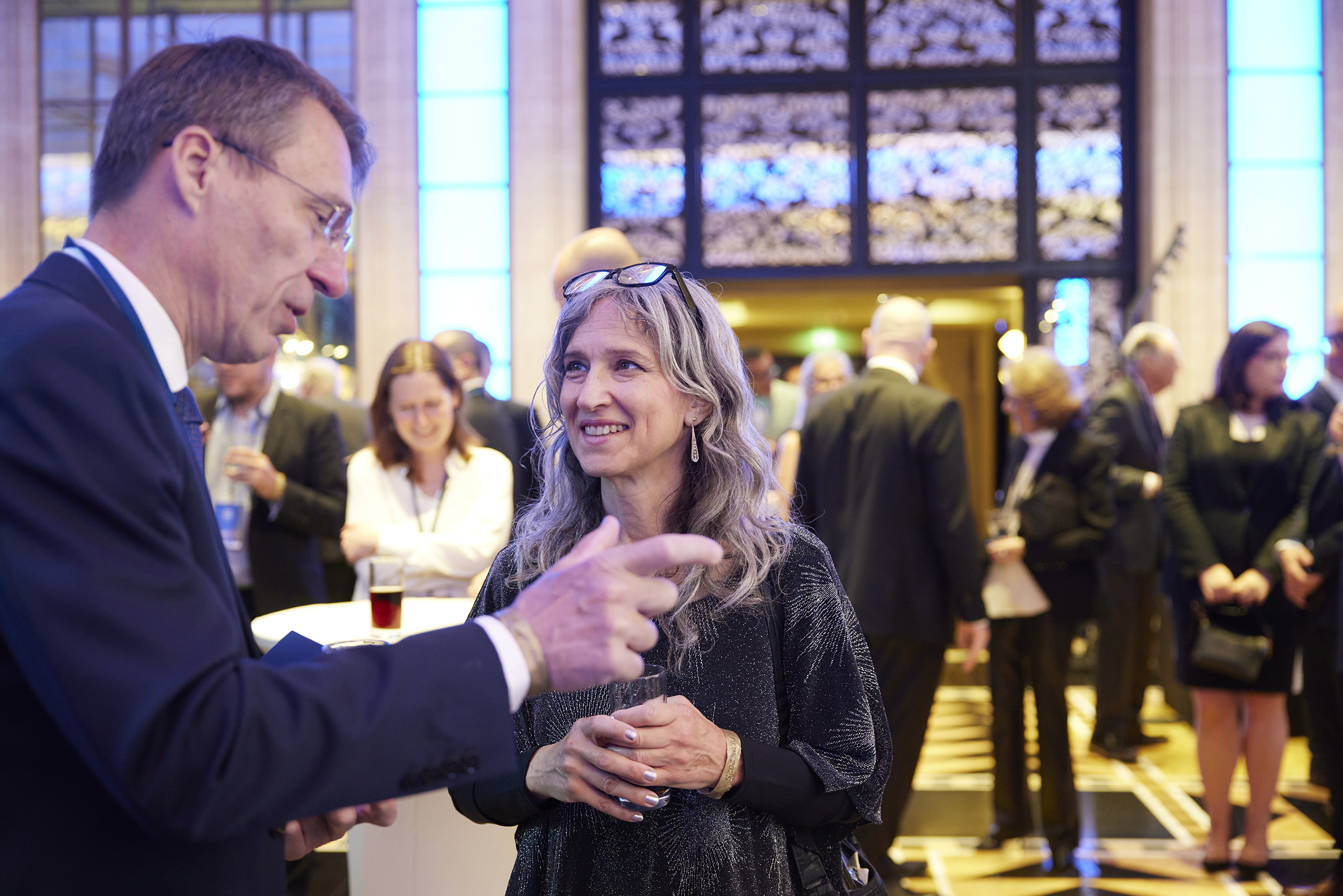
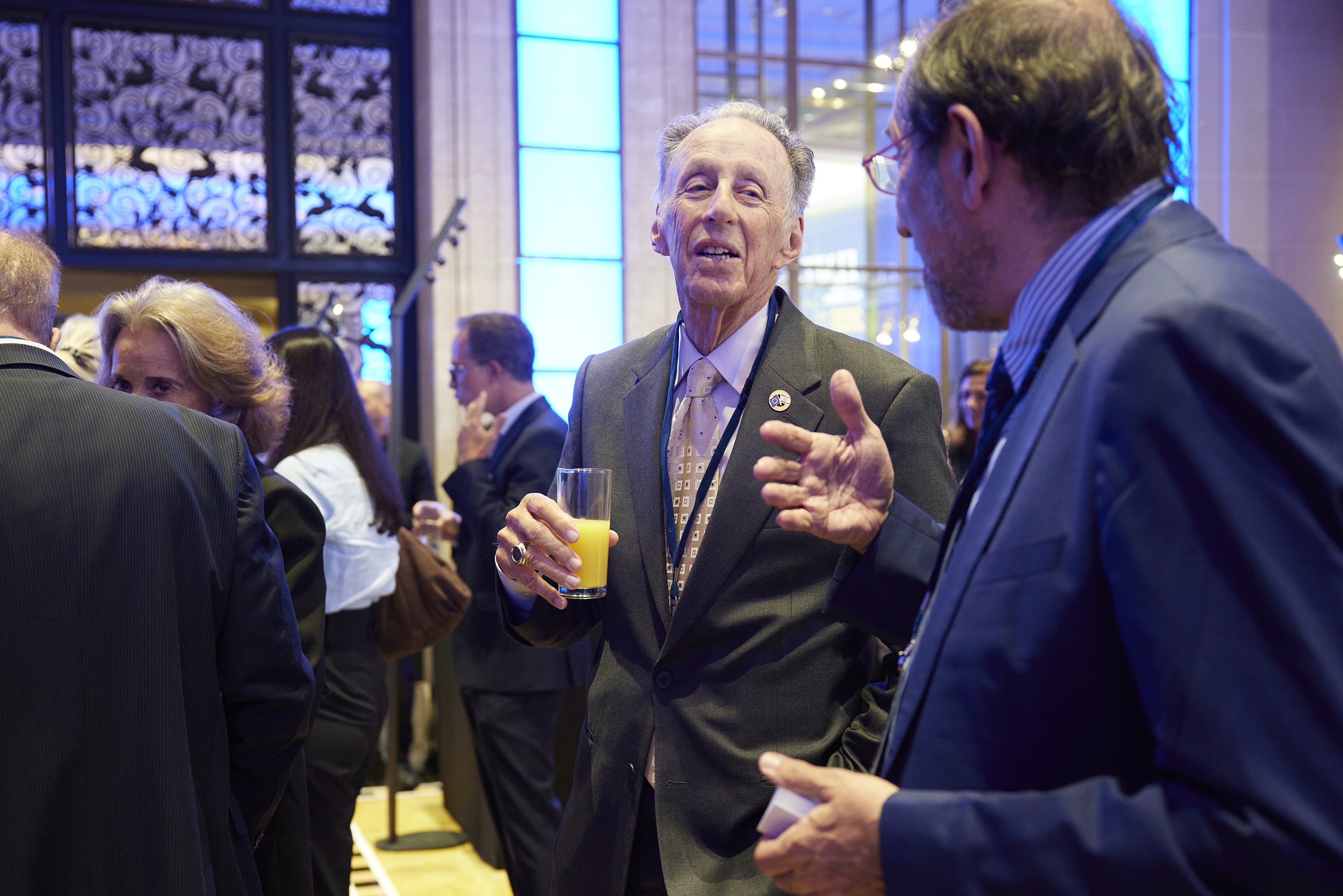
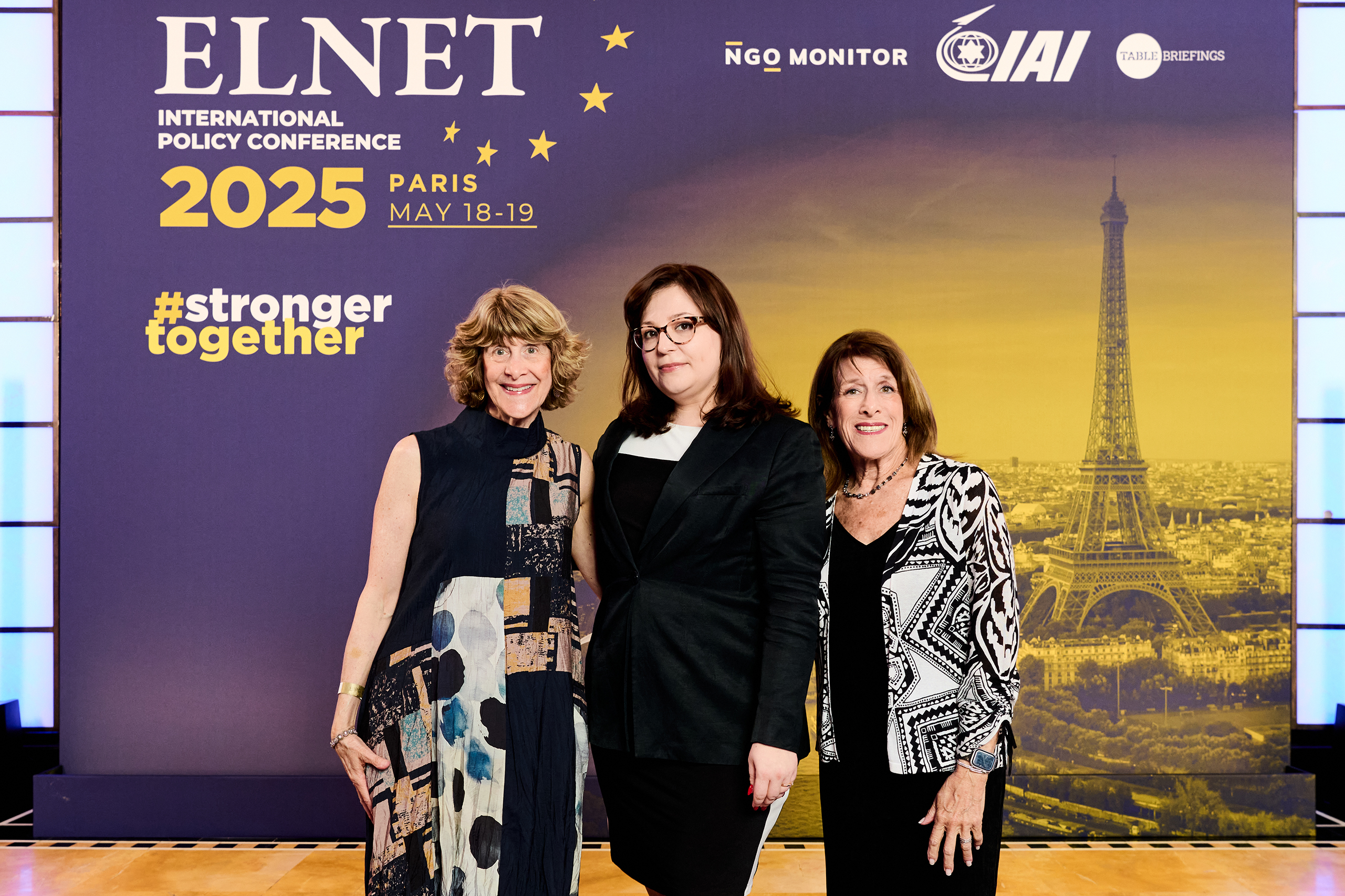
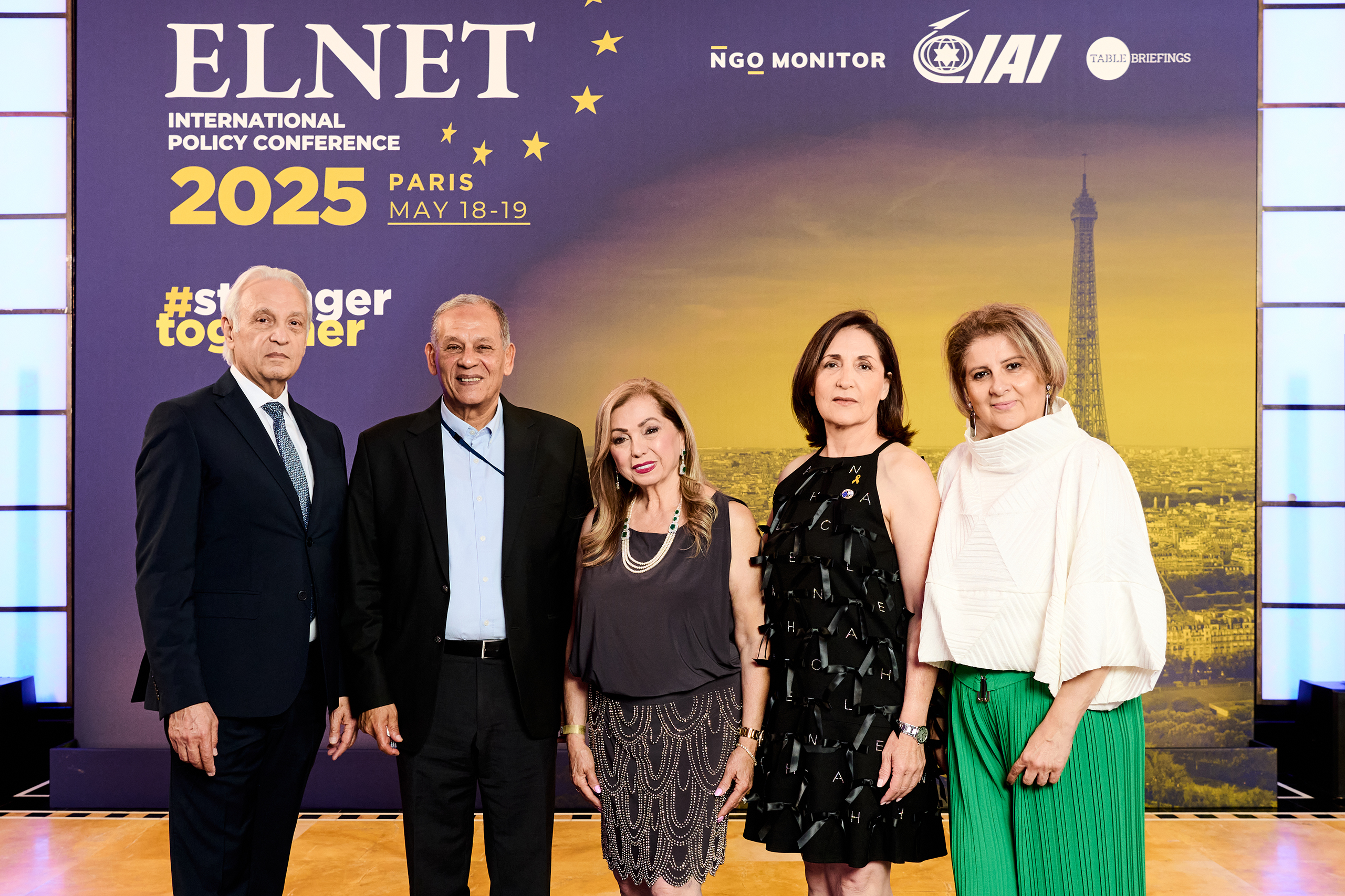
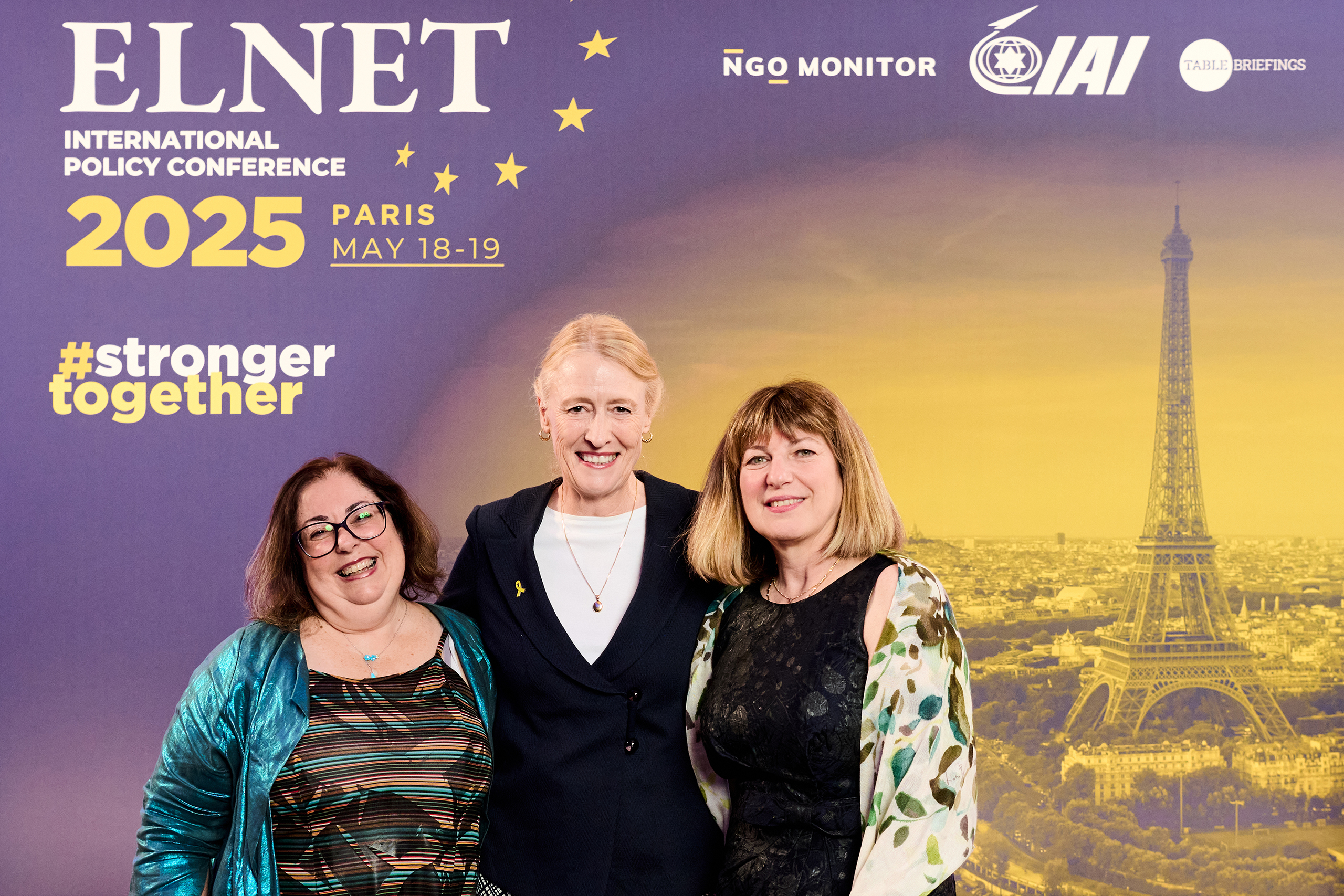
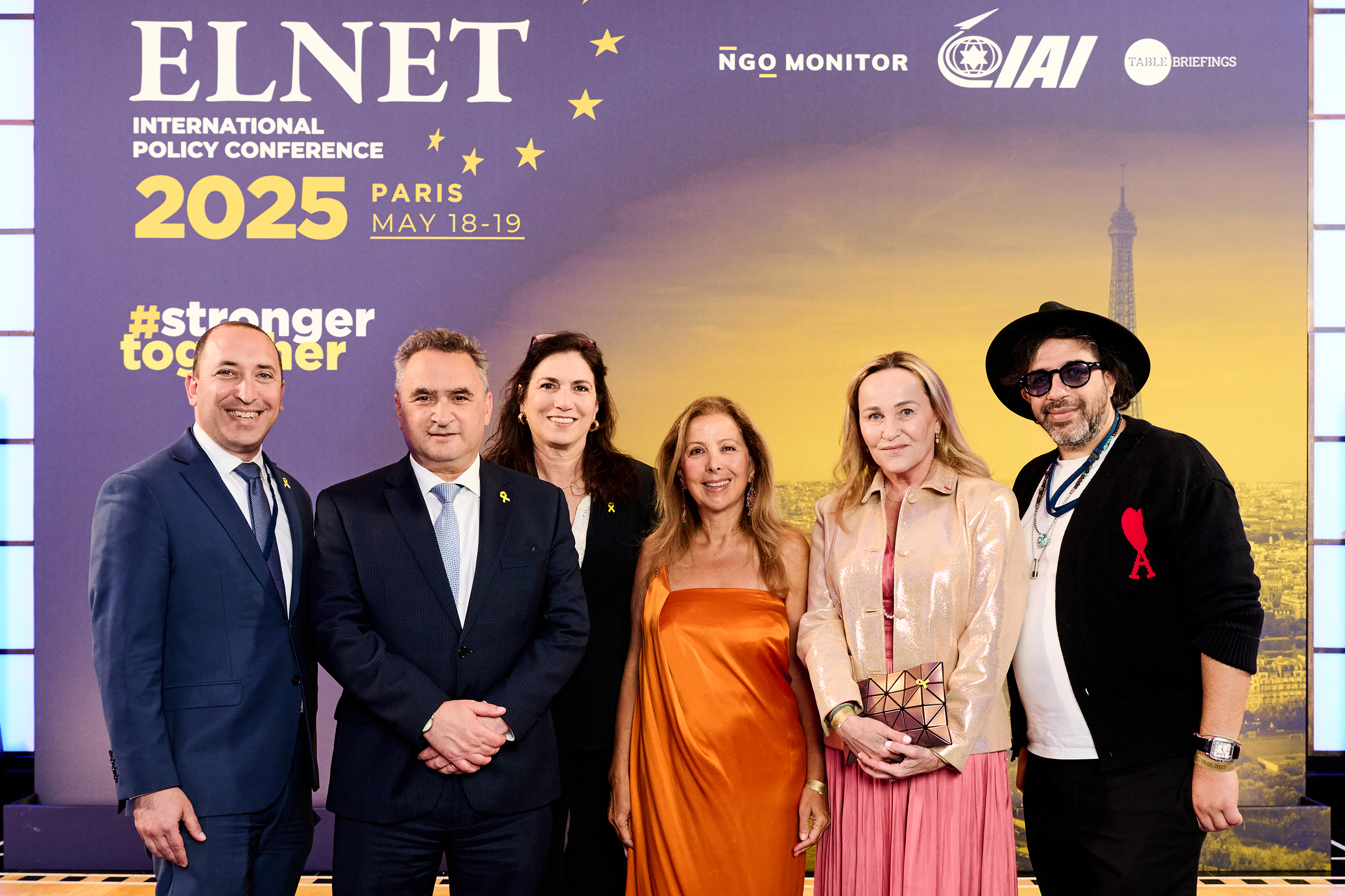
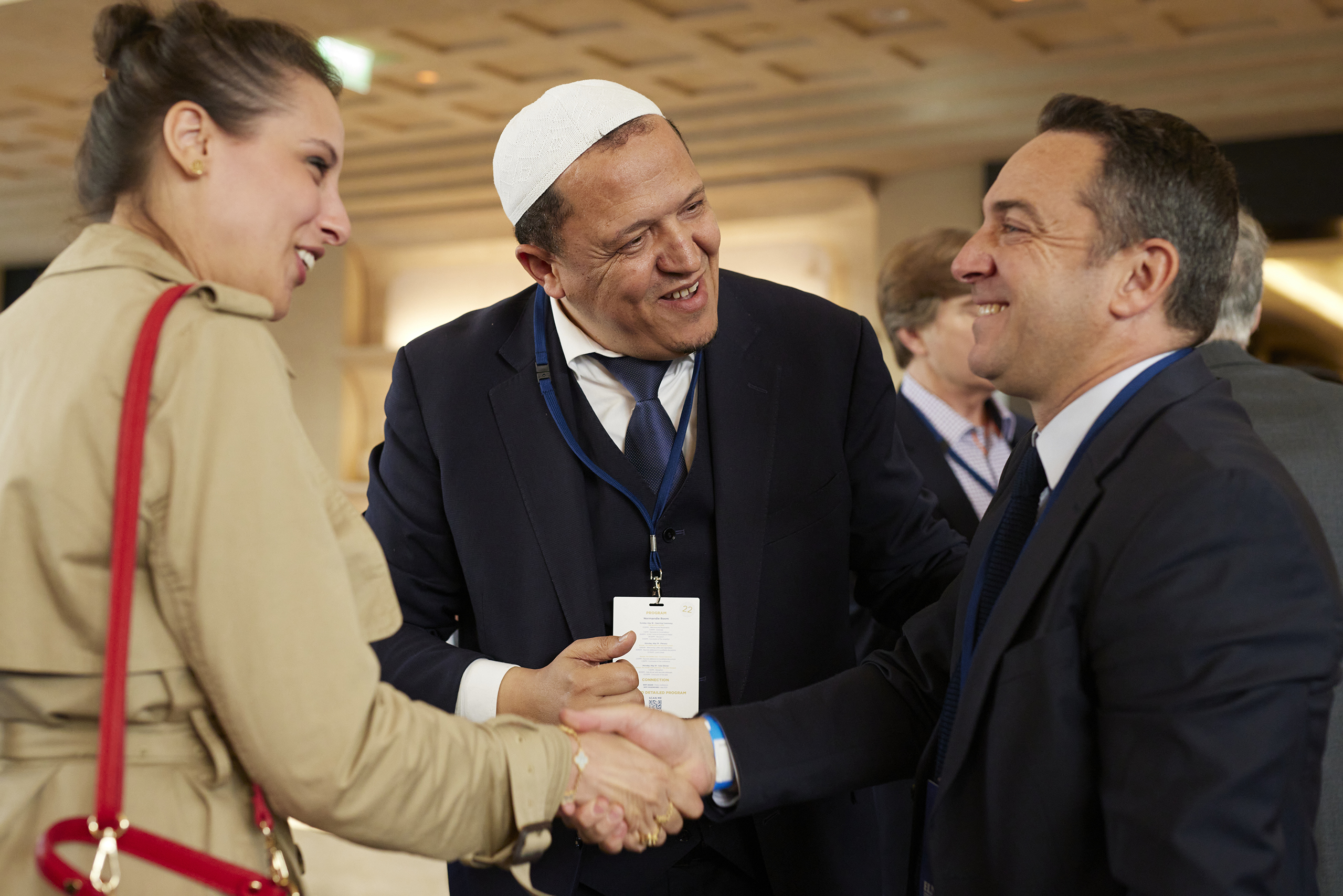
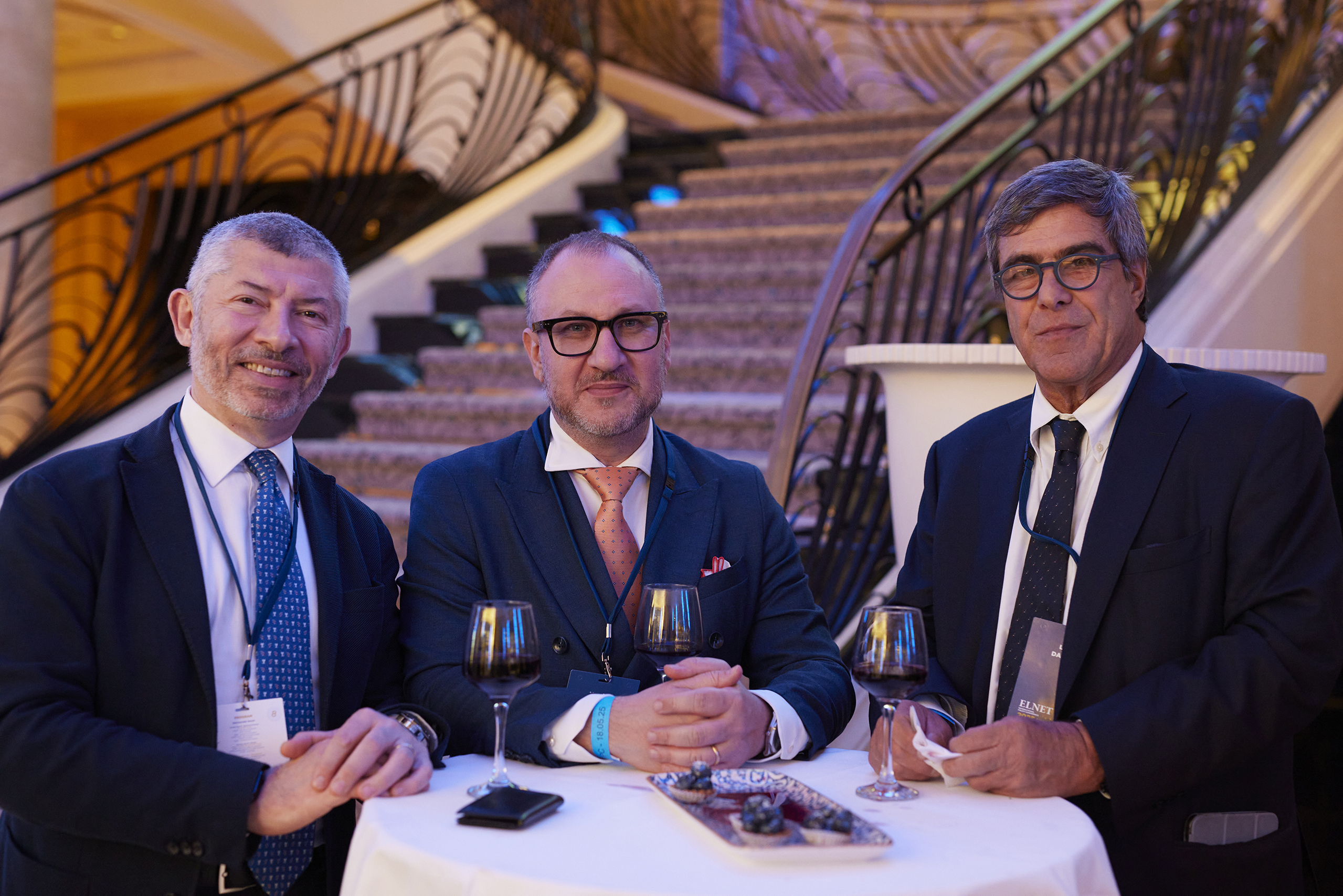
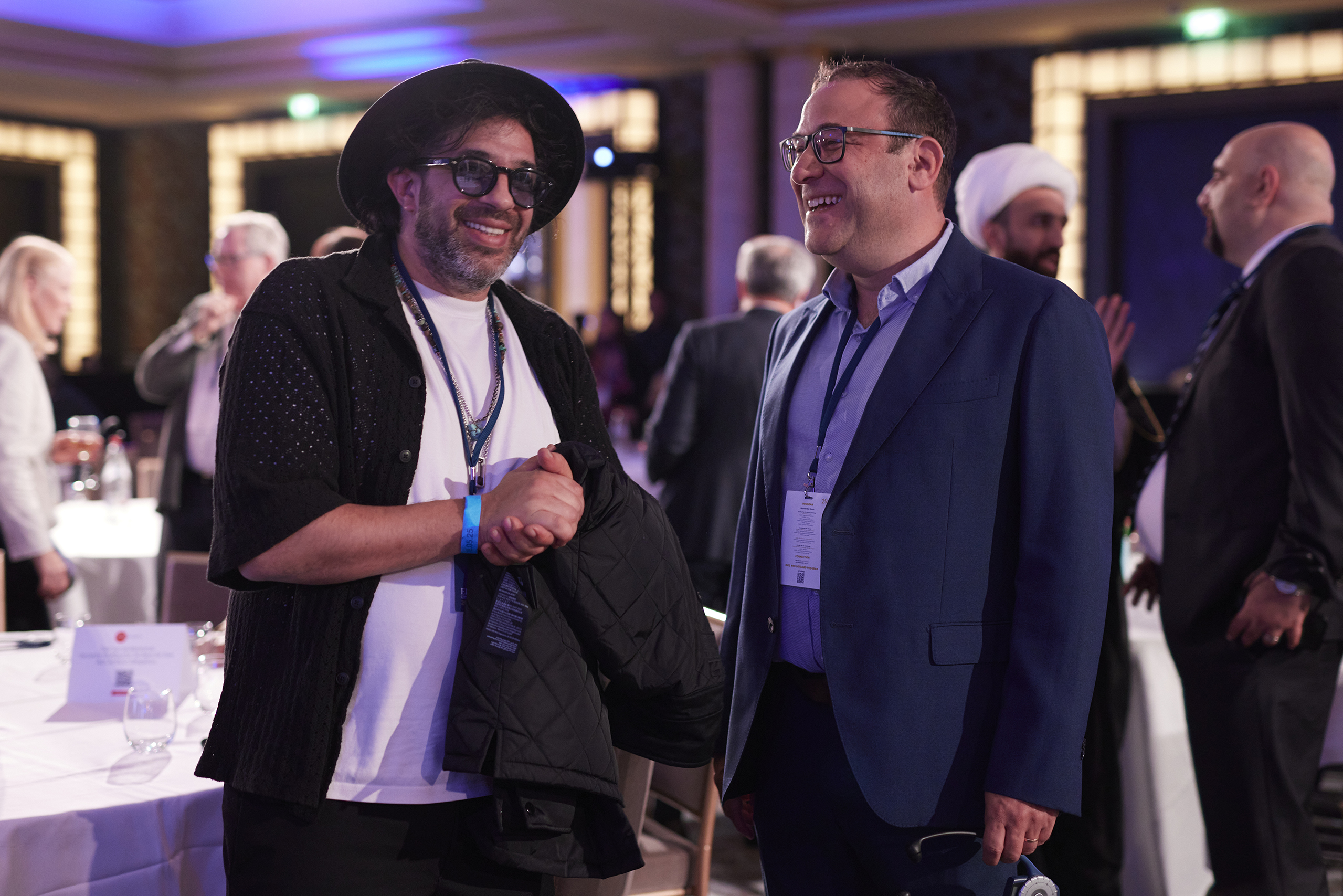
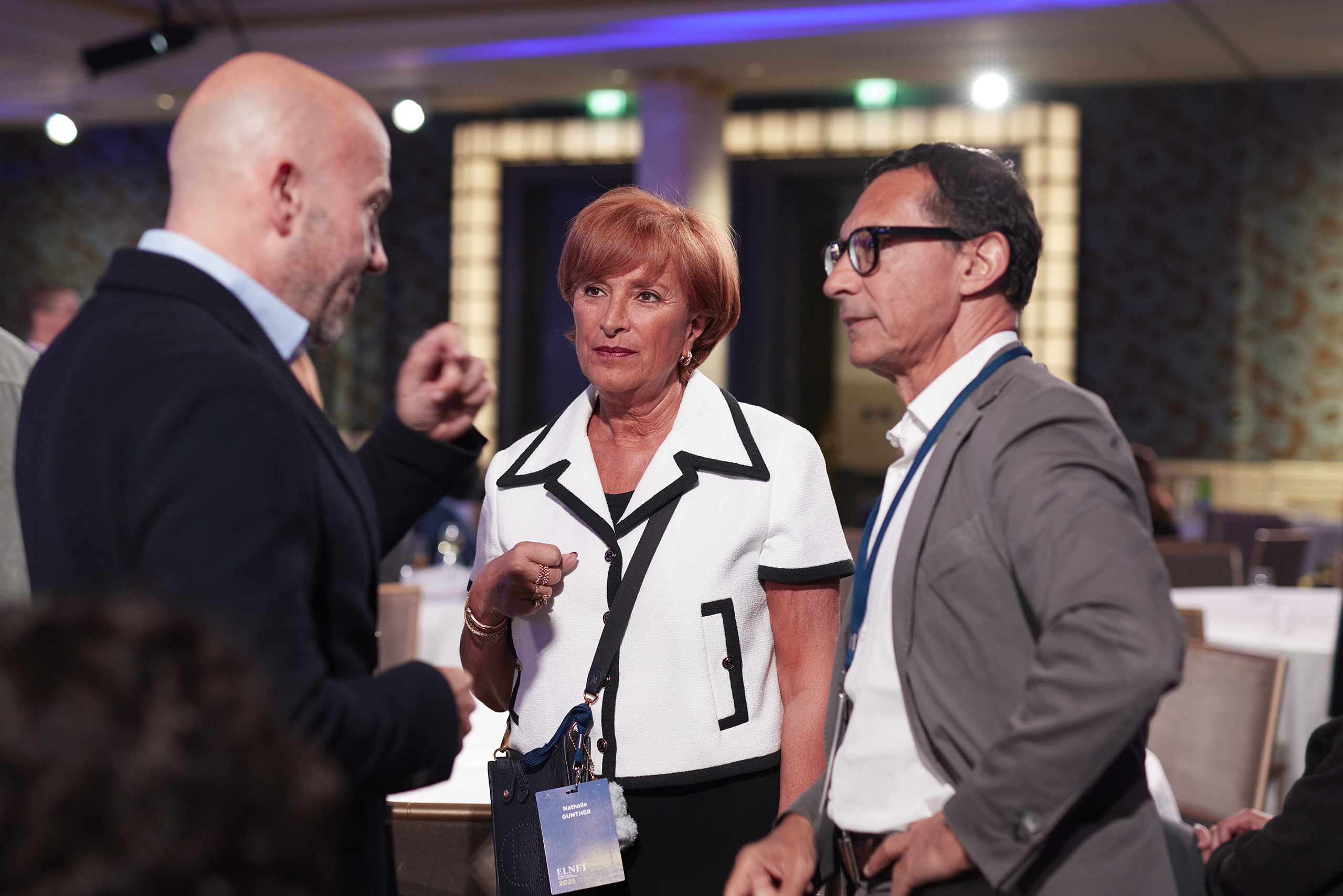
Highlights — conference impressions
Highlights — delegation programme
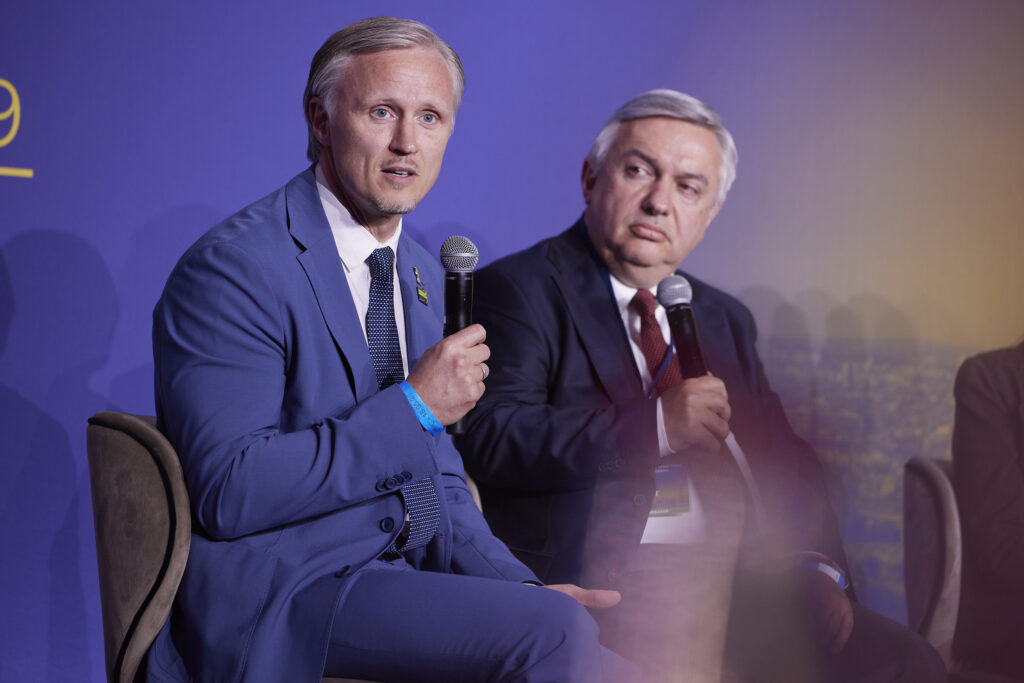
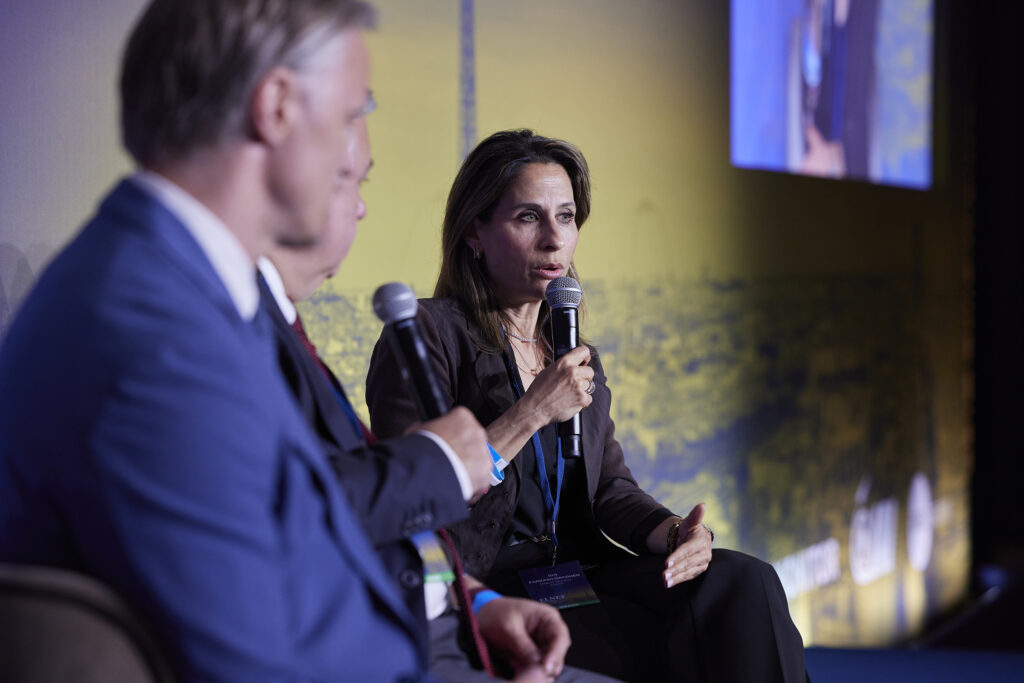

The Trump EffectRegional realignments & strategic dependencies
- The Gulf perspective
- Europe’s transatlantic uncertainty
- Israel’s strategic imperatives
The Gulf Perspective
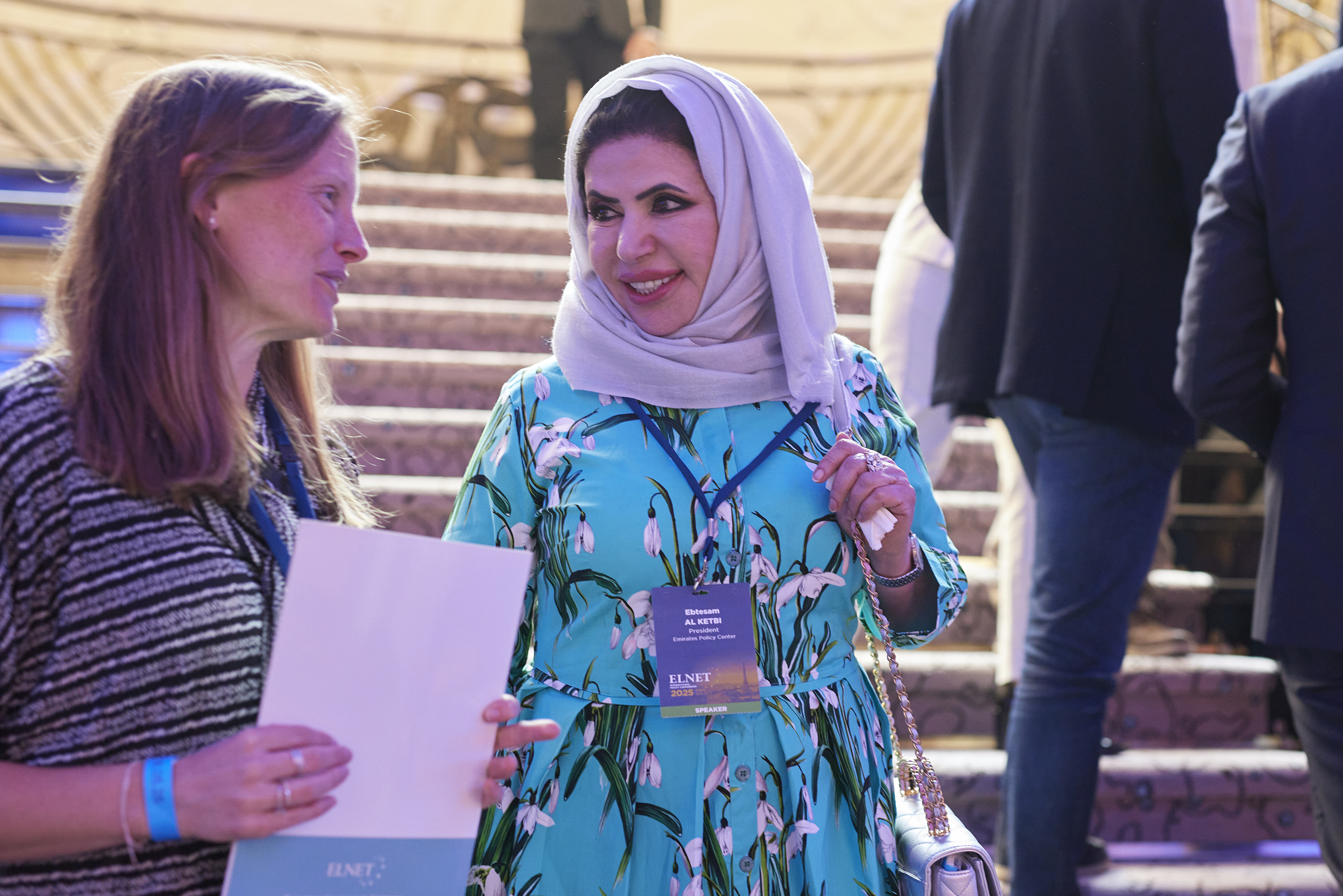
Dr. Ebtesam Al Ketbi noted that while the U.S. under Biden neglected the Middle East, Trump’s recent trip shows that the Gulf matters. Regional actors like the UAE have asserted their relevance through advancements in AI and religious diplomacy. Saudi Arabia, once on the verge of normalization, has been deterred for now by spoilers.
The Gulf perspective — EIPC 2025 session
Europe’s Transatlantic Uncertainty
MEP Nicolás Pascual de la Parte expressed doubts about long-term U.S. reliability, particularly in the face of renewed great power competition with China and Russia. He stressed that Europe must invest more heavily in its own defense capacity and recalibrate its NATO engagement. Amb. Tomáš Pojar asserted that it would take ten years for Europe to develop strategic autonomy and estimated that there will be an agreement on 5% defense spending at the Hague NATO Summit at the end of June.
Europe’s transatlantic uncertainty — EIPC 2025 session
Israel’s Strategic Imperatives
Lt. Gen. (res.) Gabi Ashkenazi stated that while the most challenging issue is Gaza, the most important one is Iran. Iran should not obtain a nuclear weapon. This should be solved diplomatically, but if not, it will require military intervention. Israel should better integrate into the region and take advantage of the opportunities that are arising in Saudi Arabia, Lebanon, and Syria. Zohar Palti underlined Israel’s overreliance on U.S. support – a cornerstone in Israel’s defense – and the urgent need to restore bipartisan relations. With growing AI threats and continued missile attacks by the Houthis, Israel must prioritize technological modernization and defense sustainability. Both speakers stressed the priority of bringing back the hostages held in Gaza and commented on the major internal split in Israel, stressing the importance of unity, especially in times of war.
Israel’s strategic imperatives — EIPC 2025 session
Security ThreatsIran, Russia, and the new axis of autocracy
- Defining the enemy
- The Iran–Russia strategic nexus
- Hybrid warfare against liberal democracies
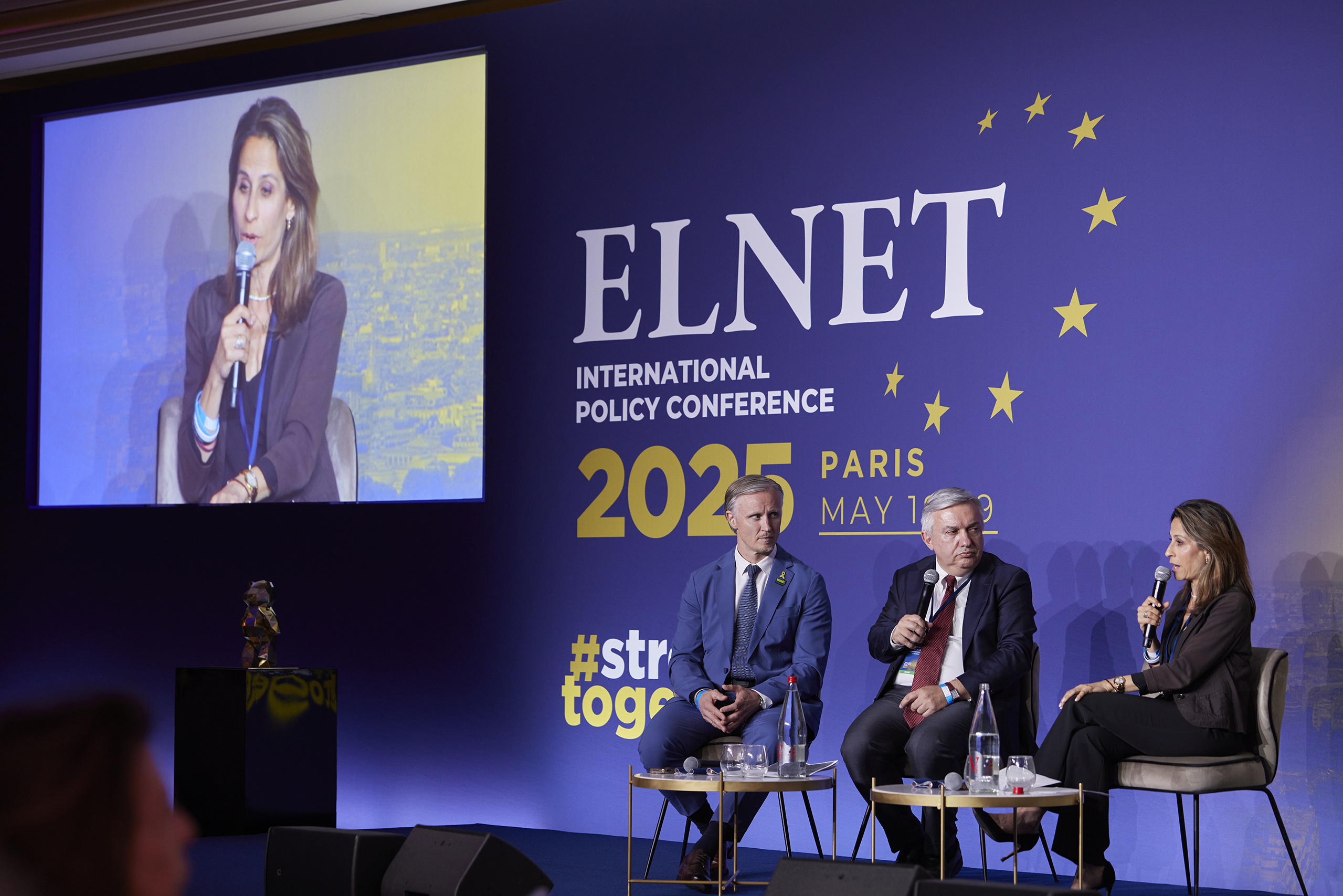
Defining the Enemy
MK Orit Farkash Hacohen identified Iran as the primary regional and ideological threat, while MEP Rihards Kols focused on the Iran-China-Russia-North Korea axis, creating fear that paralyses Western democracies. October 7 and its aftermath revealed Tehran’s coordination with proxies like Hamas, Hezbollah, and the Houthis, backed by Russia. Iranian influence extends to espionage operations in the U.S. and Israel, while in Europe, elections in Poland and Romania saw attempts to exert external influence.
Defining the enemy — EIPC 2025 session
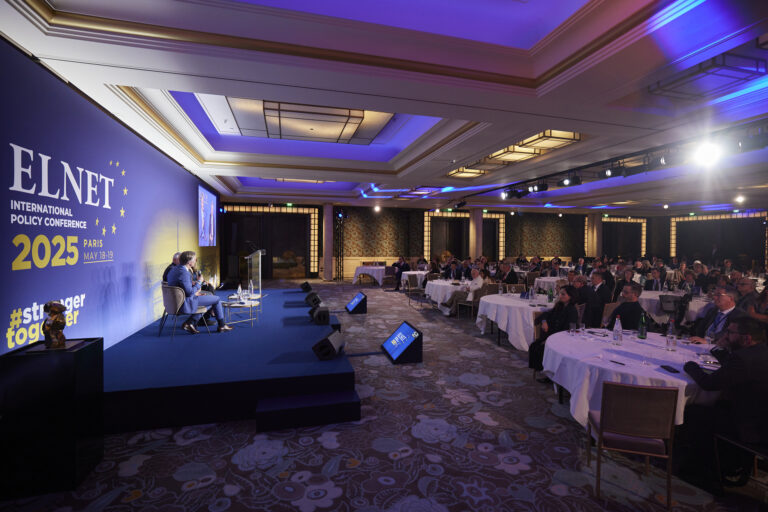
The Iran–Russia Strategic Nexus
Multiple speakers, including Dr. Sarah Masha Fainberg and Senator Michał Kamiński, described a deepening Iran-Russia alliance. Both states pursue maximalist, revisionist goals, challenging international law and stability. Their hybrid warfare tactics are now the primary threat to liberal democracies. Europe and Israel should adopt a joint, multi-front approach to counter the Russia-Iran axis, strengthen missile defense, and adapt to mass-attack strategies and cyber warfare. ELNET can play a significant role in expanding Europe-Israel defense cooperation.
The Iran–Russia strategic nexus — EIPC 2025 session
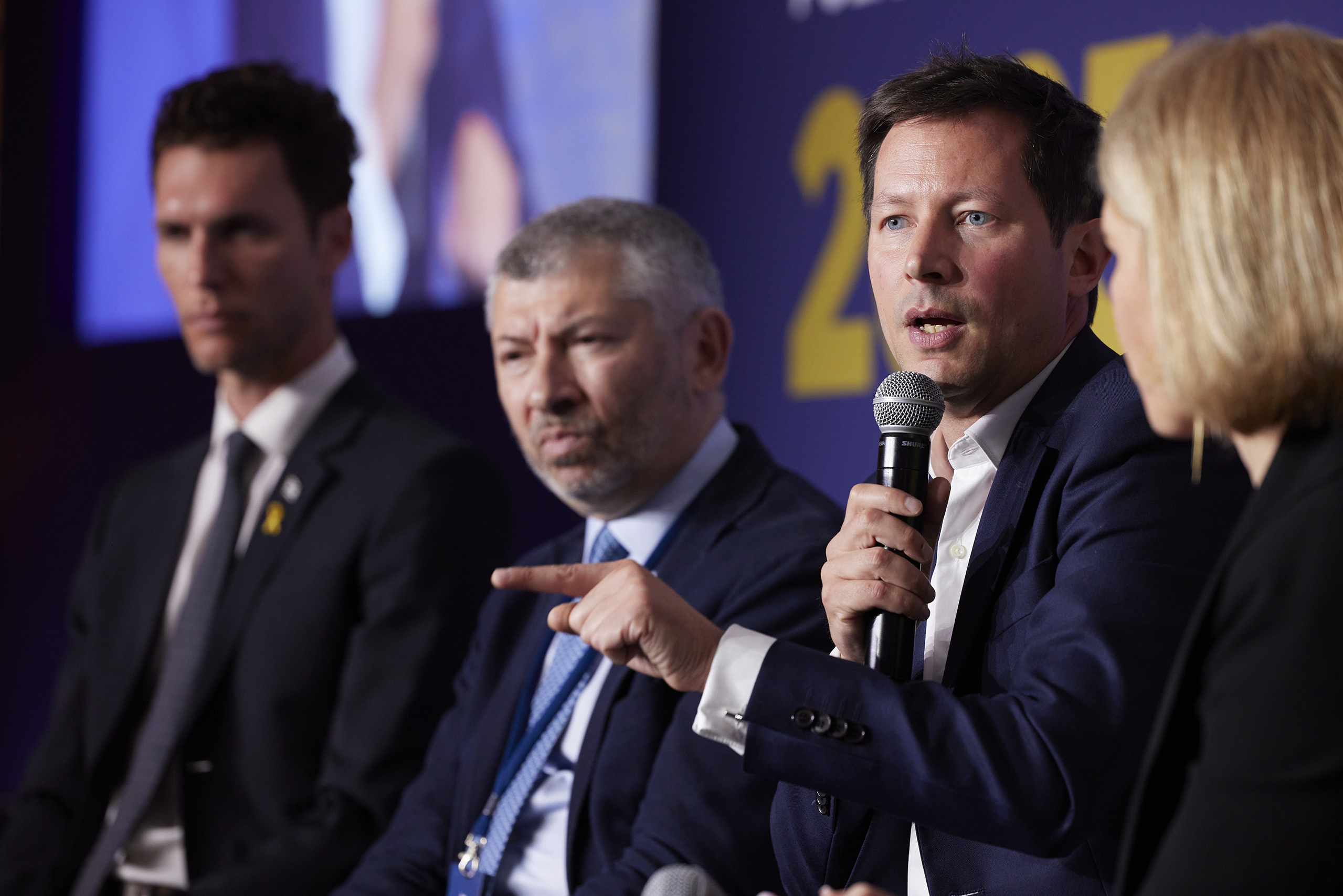
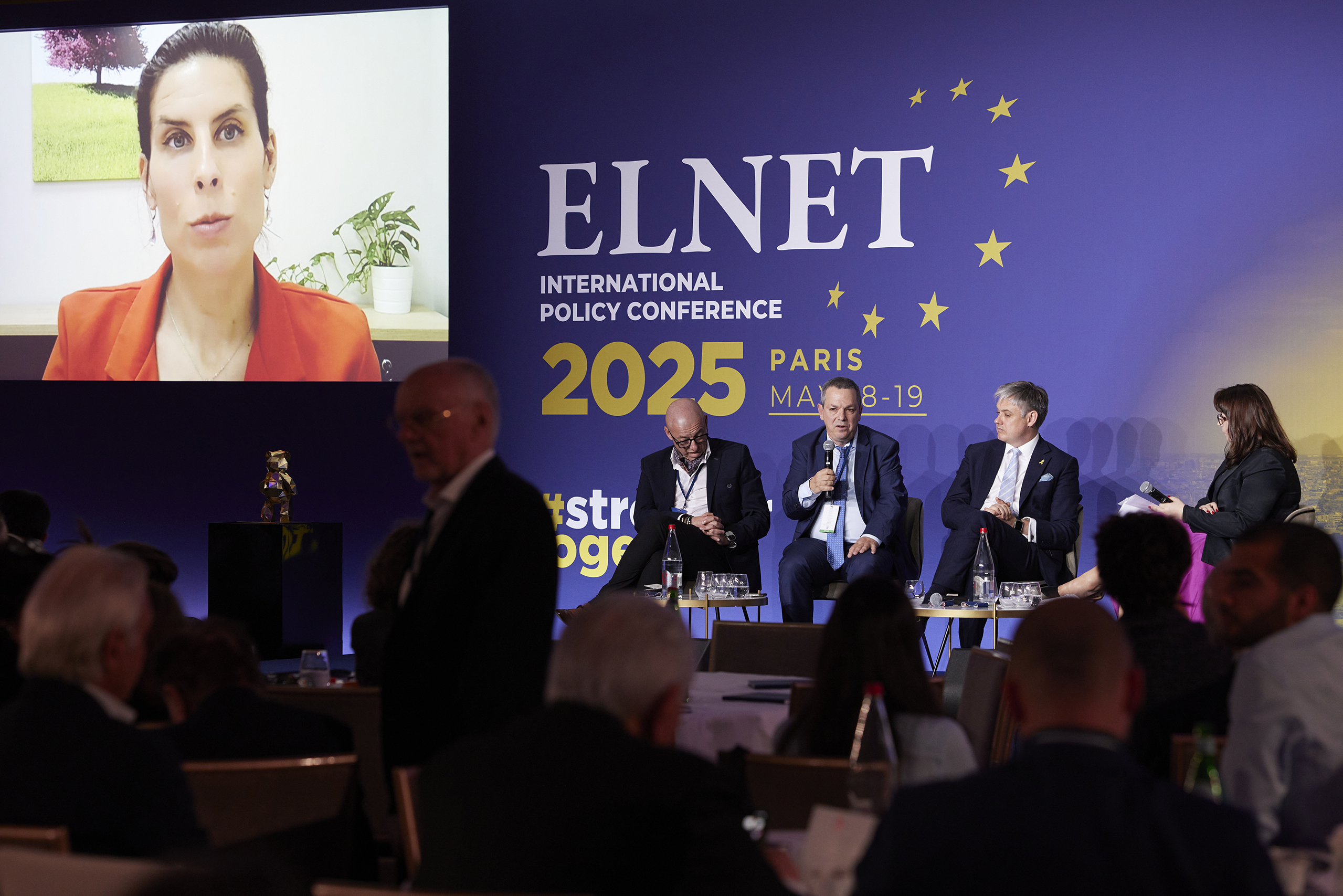
Antisemitismand ideological warfare
- The “Global Intifada”
- Israel as a liberal democracy under siege
- Defensive liberalism
The “Global Intifada”
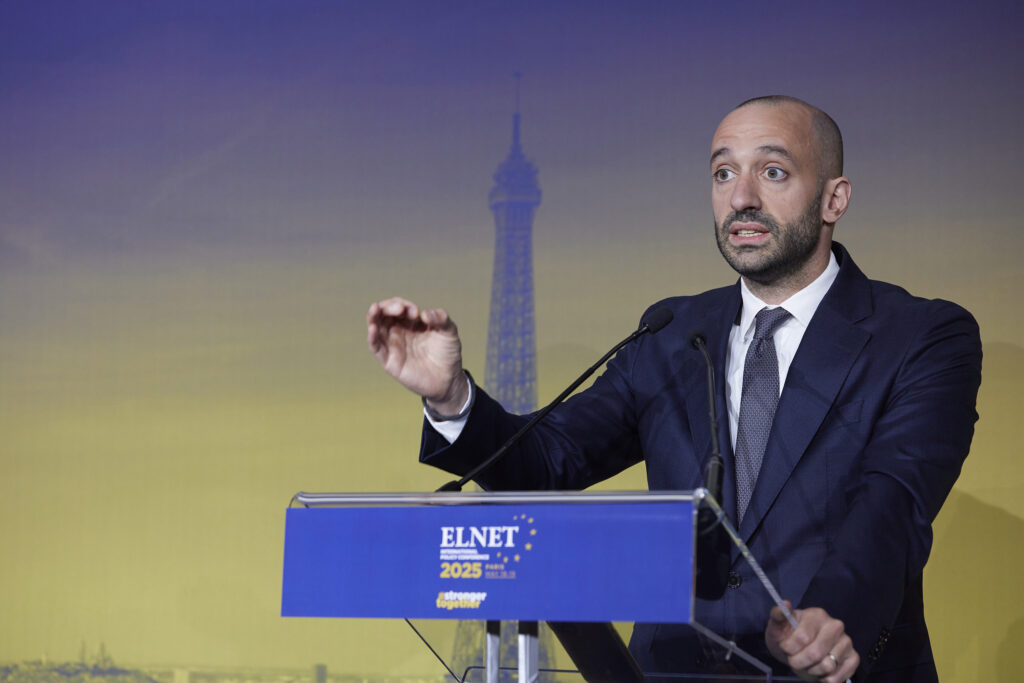
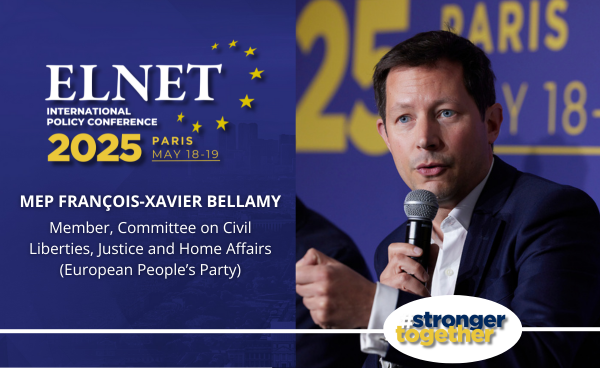
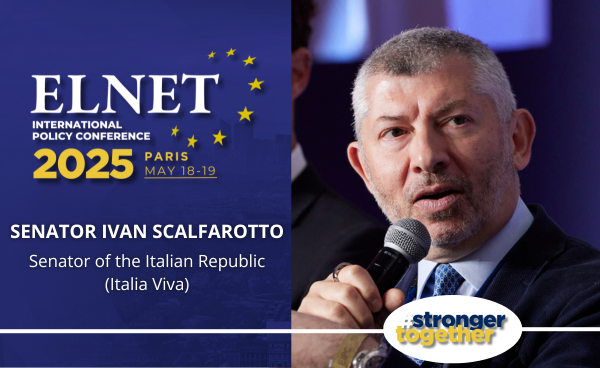
Participants agreed that antisemitism, post-October 7, had crossed from fringe ideology to systemic threat. MEP François-Xavier Bellamy and Senator Ivan Scalfarotto argued that antisemitism is now weaponized as part of broader attacks on democratic institutions. Political correctness and fear of backlash have led to self-censorship in schools and institutions. Benjamin Haddad presented a French-Austrian initiative at the European level to push for no EU funding to go to any project or activity that would promote Islamism and hate speech.
The “Global Intifada” — EIPC 2025 session
Israel as a Liberal Democracy Under Siege
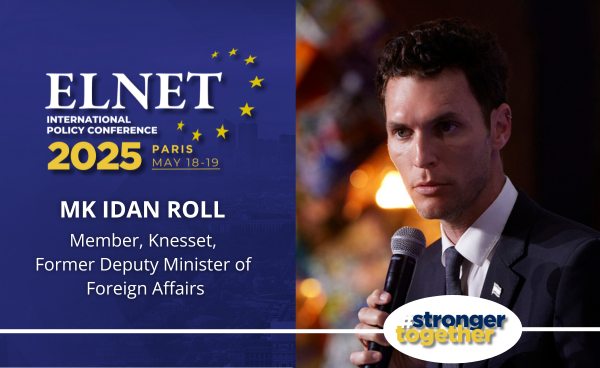
MK Idan Roll described the current ideological war as a “third world war”—a clash between liberal democracies and authoritarian propaganda machines. He called for “defensive liberalism”—updating Western strategies to preserve core values under assault. Israeli society, long practiced in balancing democracy with constant threats, was portrayed as a case study for Western resilience. Senator Roger Karoutchi strongly criticized French President Macron’s initiative to recognize a Palestinian state and initiated a letter signed by 120 senators opposing premature recognition. He also called out the trivialization in the West of the term “genocide.”
Israel as a liberal democracy under siege — EIPC 2025 session
Future WarfareAI, cyber, and Israel’s role
- AI and geopolitical rivalry
- Cybersecurity and strategic partnerships
- 40% of global cyber investment attracted by Israel
AI and Geopolitical Rivalry
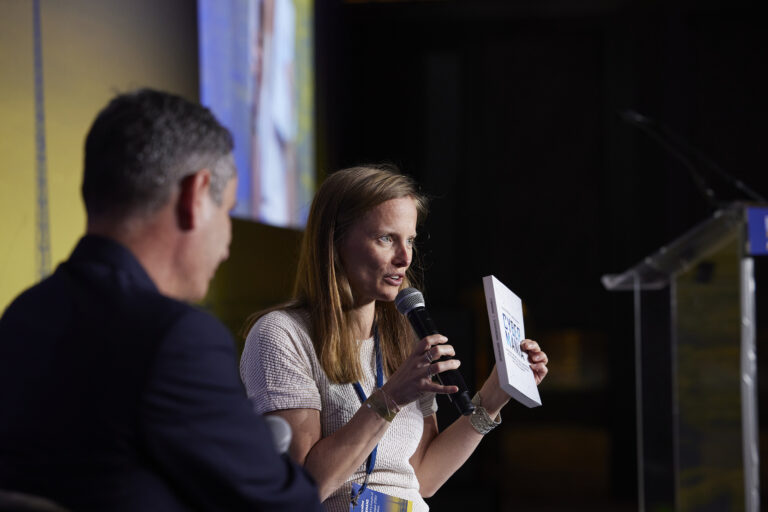
AI is becoming central to military strategy. Israel’s rapid deployment capacity and innovation place it as a leader in AI-driven defense, but gaps remain—particularly in manpower and civilian-military integration. Maj. Gen. (ret.) Michael Edelstein called for strategic AI cooperation between the EU and Israel, which is critical to ensuring shared democratic norms govern its use. The future includes lasers and AI-enhanced weapons. Israel should coordinate with the U.S. and Ukraine.
Cybersecurity and Strategic Partnerships
Israel is a cyber superpower, attracting 40% of global cyber investment. As digital warfare grows, alliances are shifting from geographical to technological affinity. Germany, after the U.S., is Israel’s strongest partner, including in cyber. NATO-like alliances based on digital security may define future geopolitics.
Legal WarfareLawfare and Israel’s diplomatic strategy
- Lawfare dynamics
- Strategic communication
- Emotional intelligence in diplomacy
Lawfare Dynamics
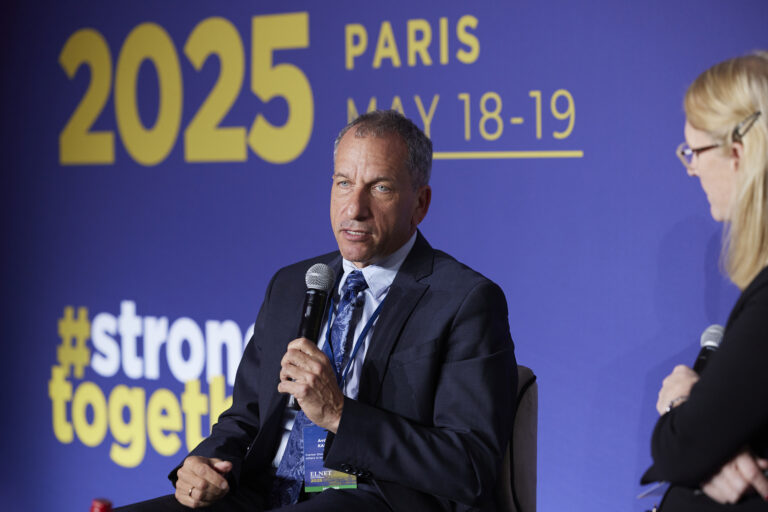
Speakers highlighted the misuse of international legal systems by non-state actors like Hamas to delegitimize Israel. Adv. Yuval Kaplinsky noted that international courts are important, and Israel should proactively engage on the merits of legal accusations rather than dismiss them as antisemitism, as done by some. Ignoring “friendly critics” and failing to show empathy for human suffering in Gaza inadvertently strengthens lawfare narratives.
Strategic Communication
Speakers underscored the need to recalibrate Israel’s global messaging. Combating disinformation and highlighting Israel’s democratic values must take priority. Emotional intelligence in international diplomacy—balancing assertiveness with compassion—is crucial.
Post-War GazaConditions, challenges and opportunities
- UNRWA and structural reform
- “The day after” in Gaza
- The role of Arab states
- Lessons learned from October 7
UNRWA and Structural Reform
Participants called for dismantling UNRWA due to its entrenchment of refugee status and lack of accountability. A new refugee support model, aligned with global standards, must be implemented.
“The Day After” in Gaza
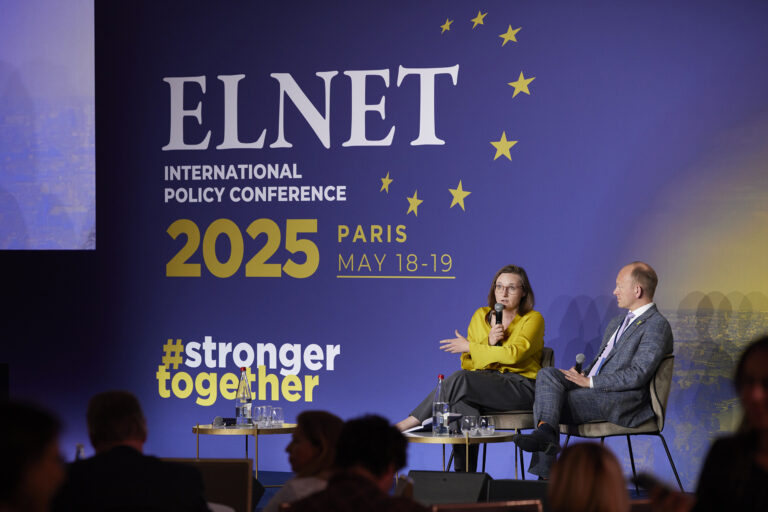
There was consensus that Gaza must not be governed by Hamas, Israel, or an unreformed Palestinian Authority. A new governance model, ideally Arab-led with international support, is required. Reconstruction hinges on security guarantees, humanitarian aid, and political legitimacy.
“The day after” in Gaza — EIPC 2025 session
The Role of Arab States
The UAE, Egypt, and Saudi Arabia were recognized as essential partners. Reforming education in the Palestinian territories—removing hate and normalizing Israel—is key. Healthcare, AI-based services, and civil infrastructure were proposed as tools for diplomatic engagement.
Lessons Learned from October 7
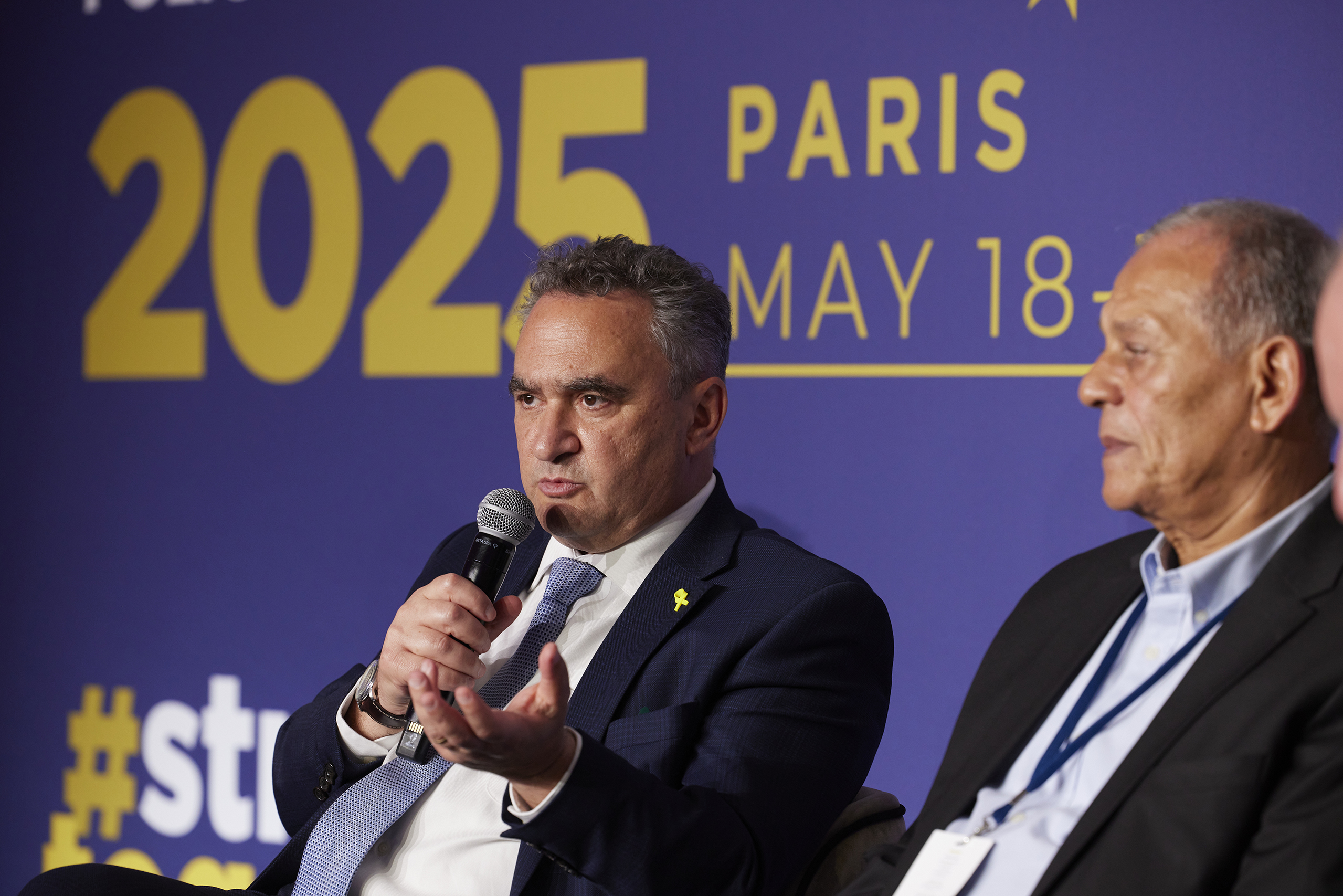
The Iranian attack on the night of April 13-14 showed the strength of working with allies and thereby changed Israel’s strategic identity and sense that it needs to defend itself by itself. In the field of internal security, following October 7, the Israeli Police established emergency squads, and the Israeli government initiated a change in regulations for guns for civilians. In the political arena, MK Shelly Tal Meron called out the denial of October 7 atrocities and the lack of condemnation by women’s organizations around the world. Together with French Minister for Equality, Aurore Bergé, she founded, with the help of ELNET, a global coalition to acknowledge sexual assault as a weapon of war.
Lessons learned from October 7 — EIPC 2025 session
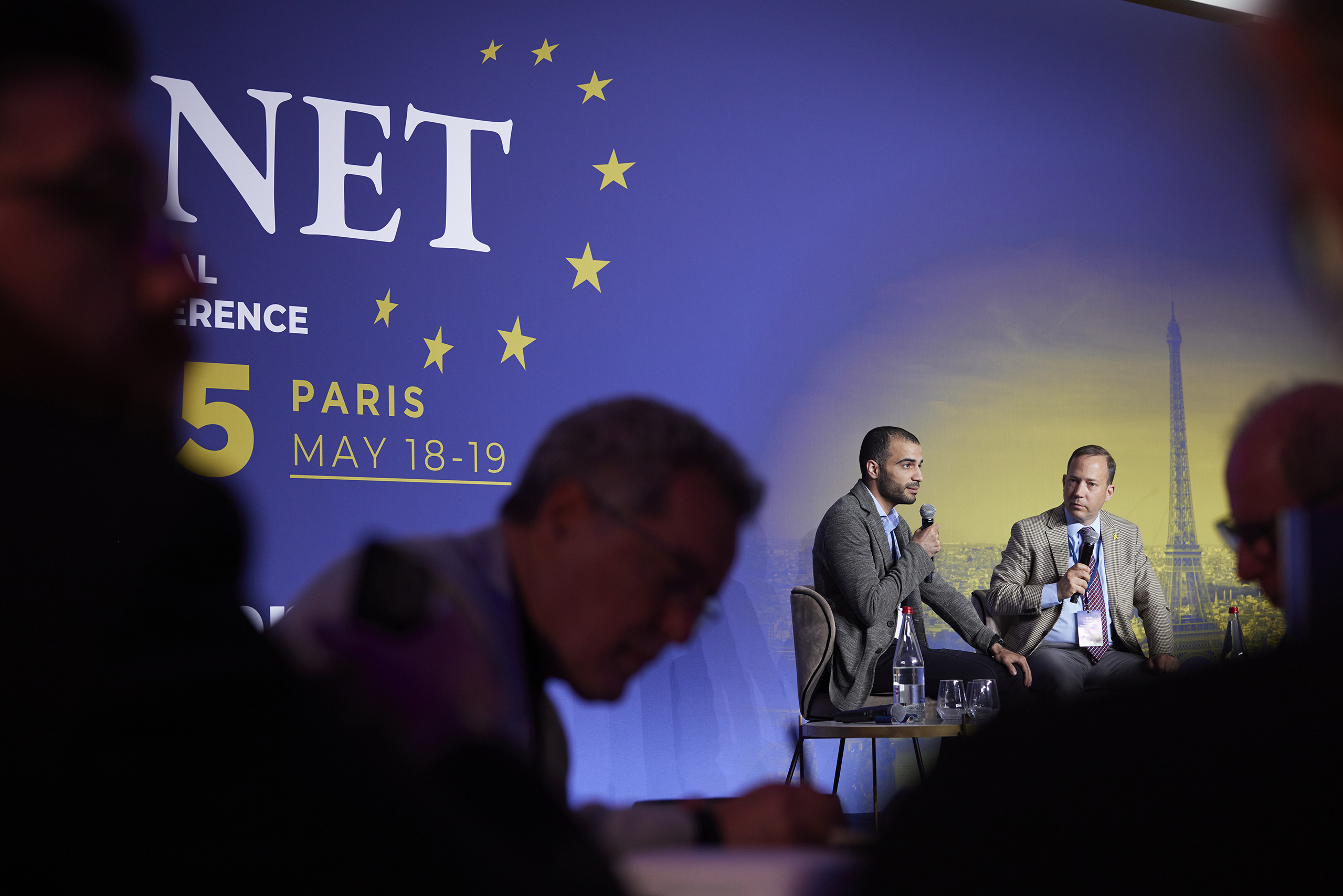
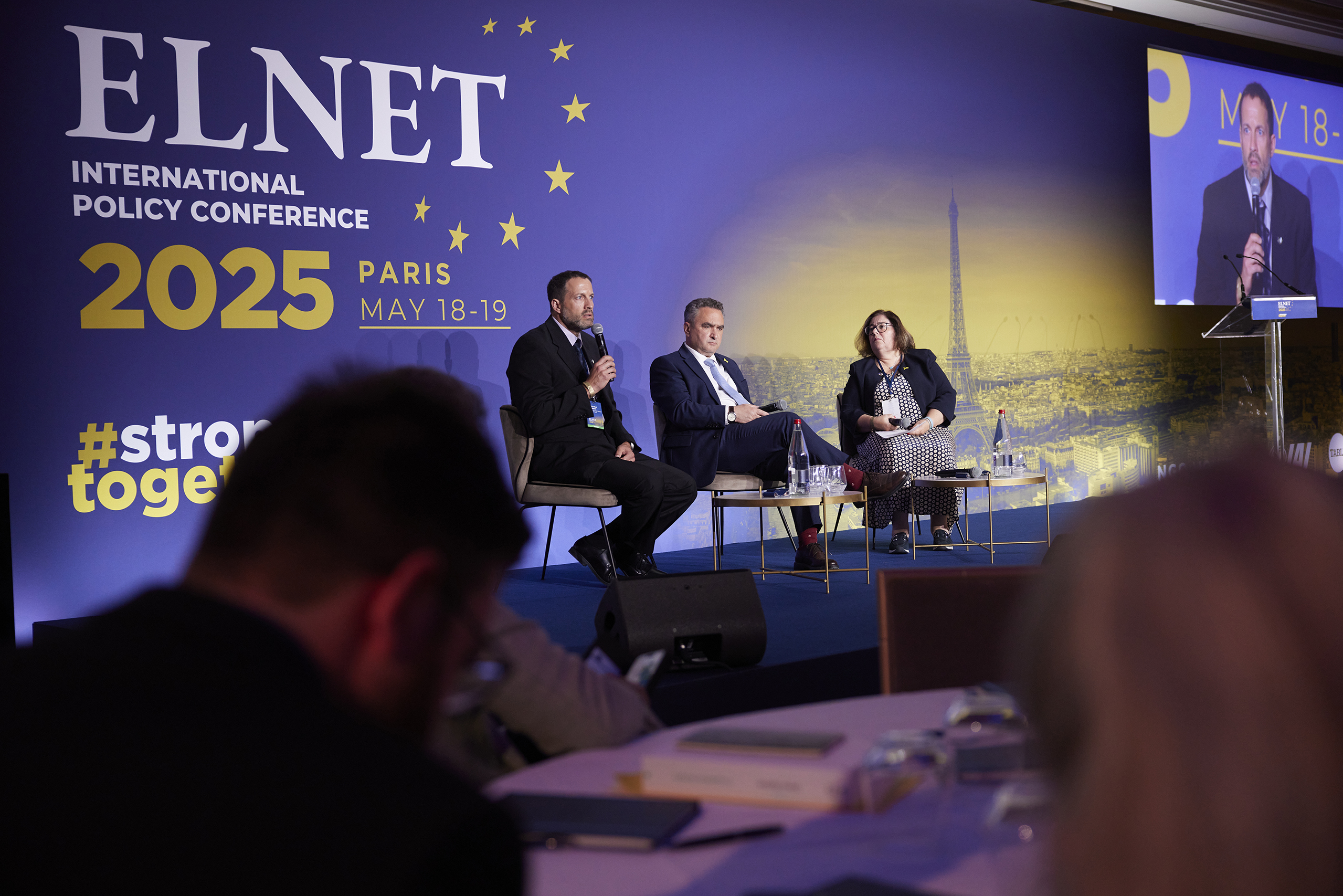
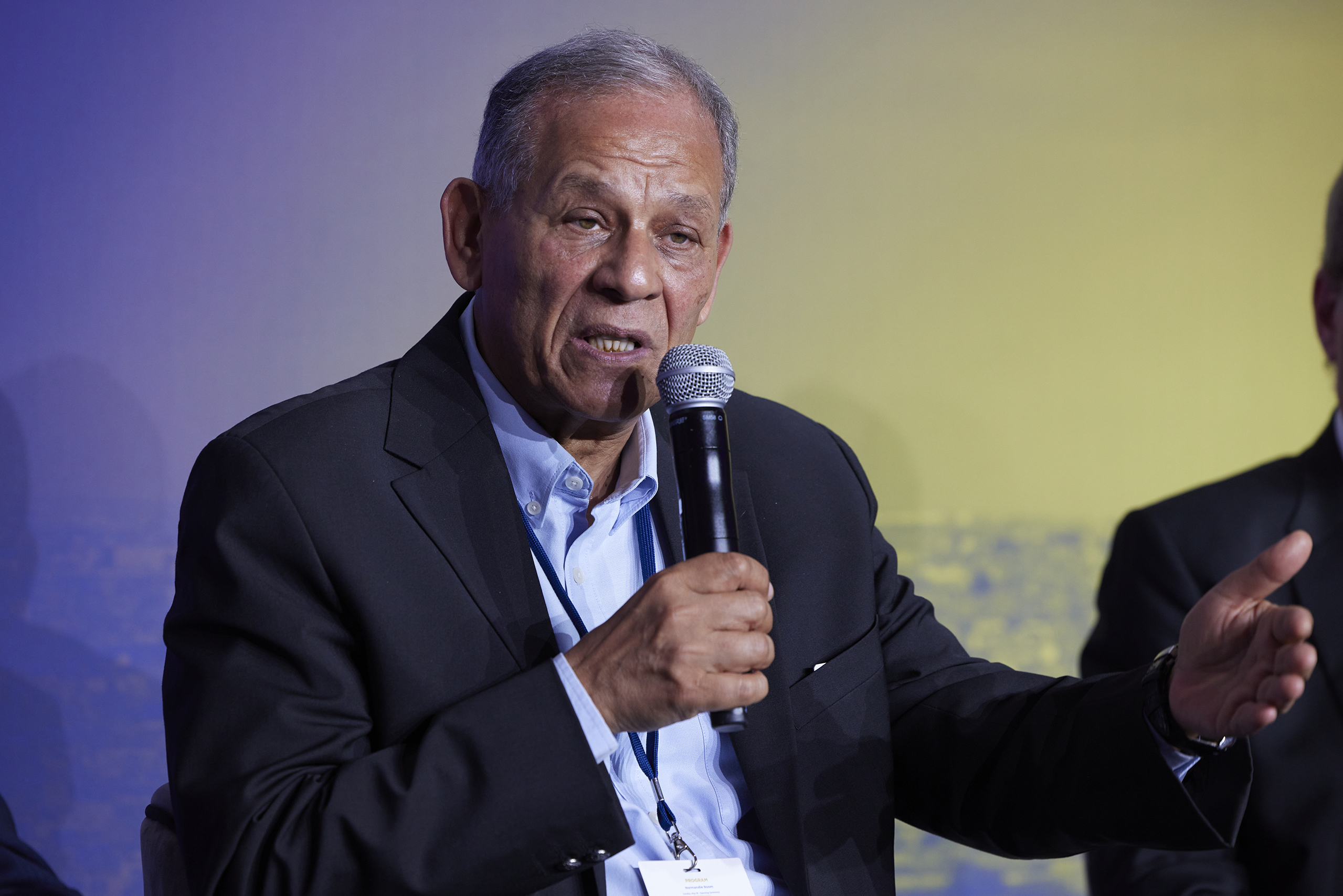
Other Highlights from EIPC 2025Sessions, interviews and impressions from Paris
Two days of plenaries, panels and closed-door conversations — and the people who made them happen.
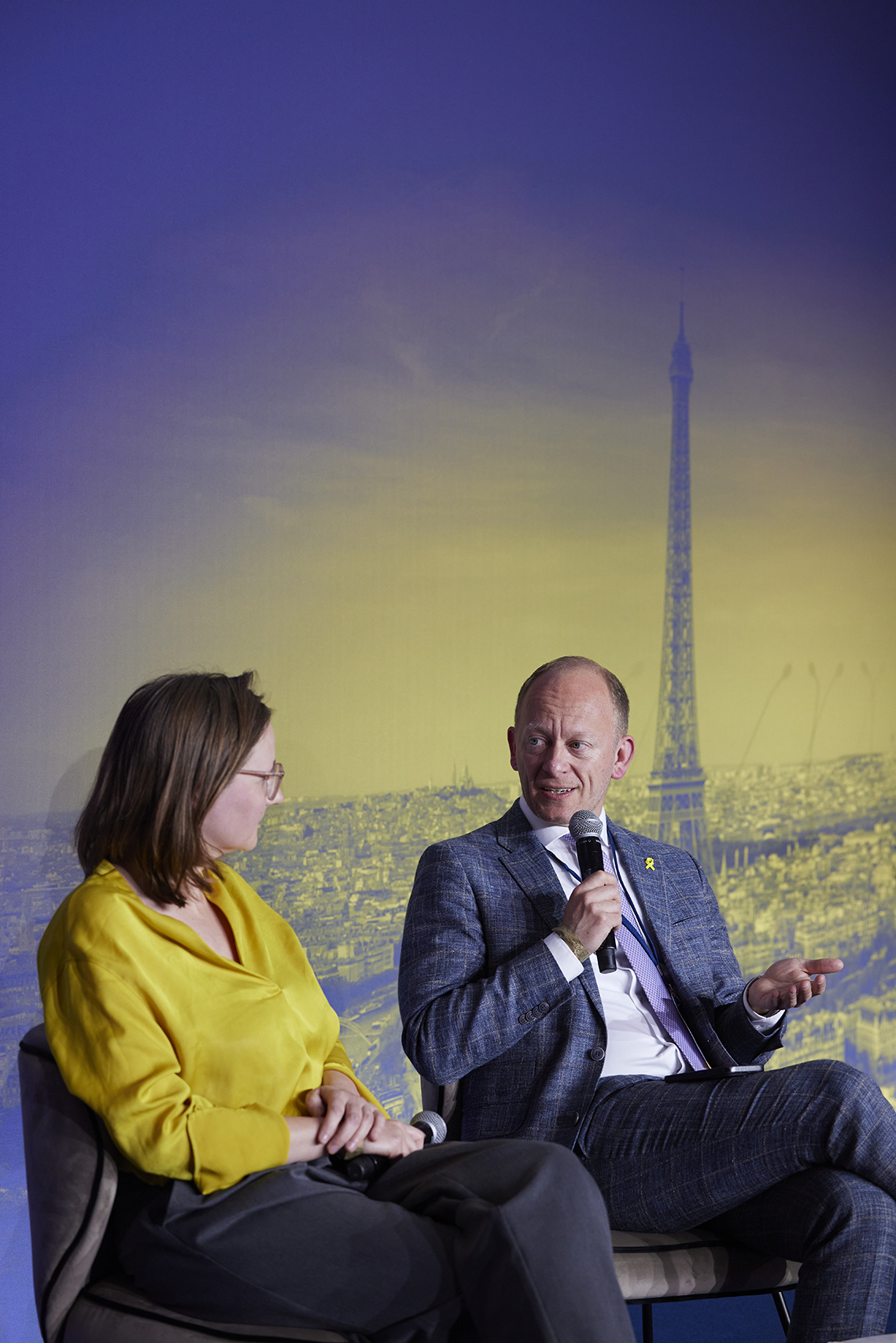
Session highlight — EIPC 2025
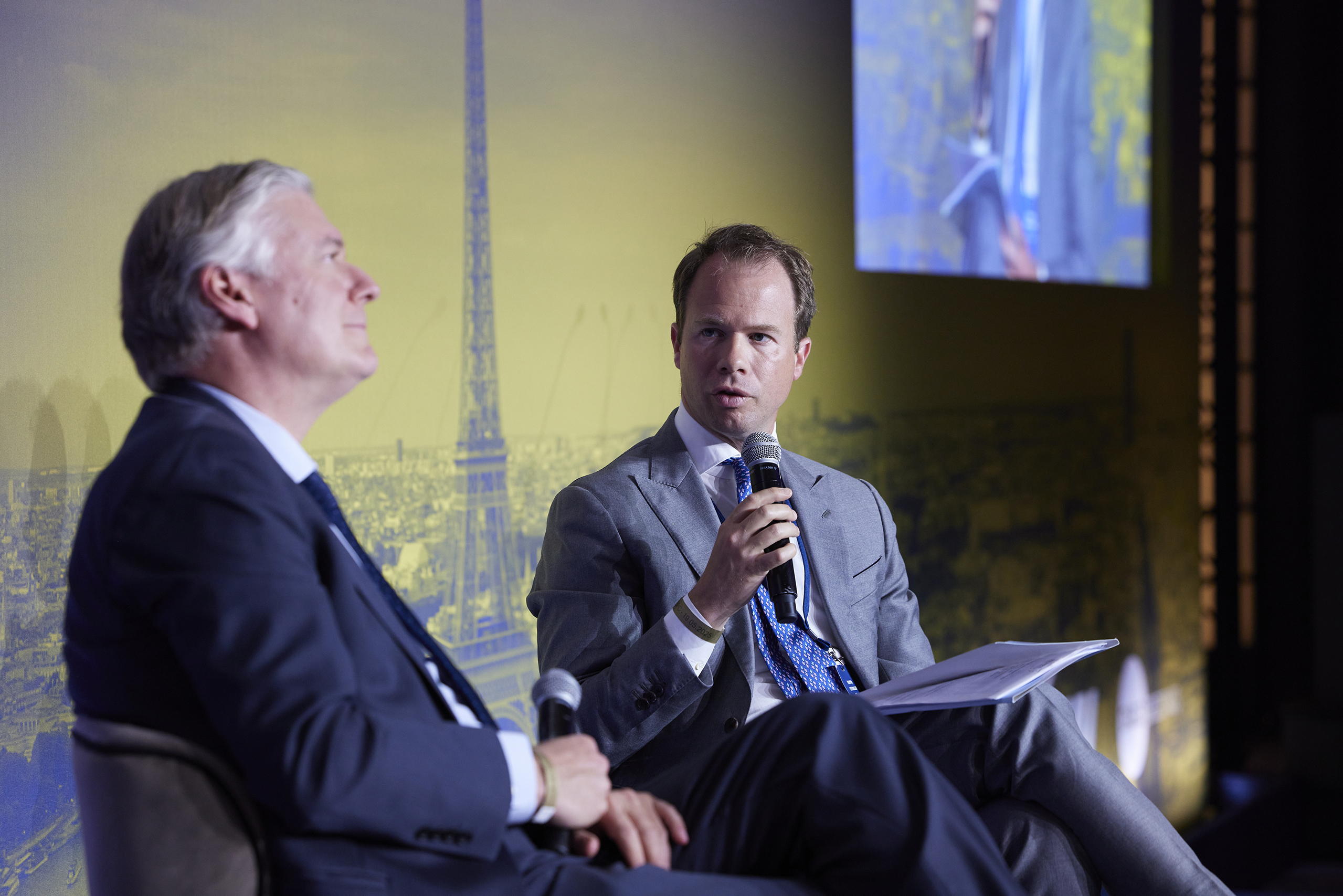
Session highlight — EIPC 2025
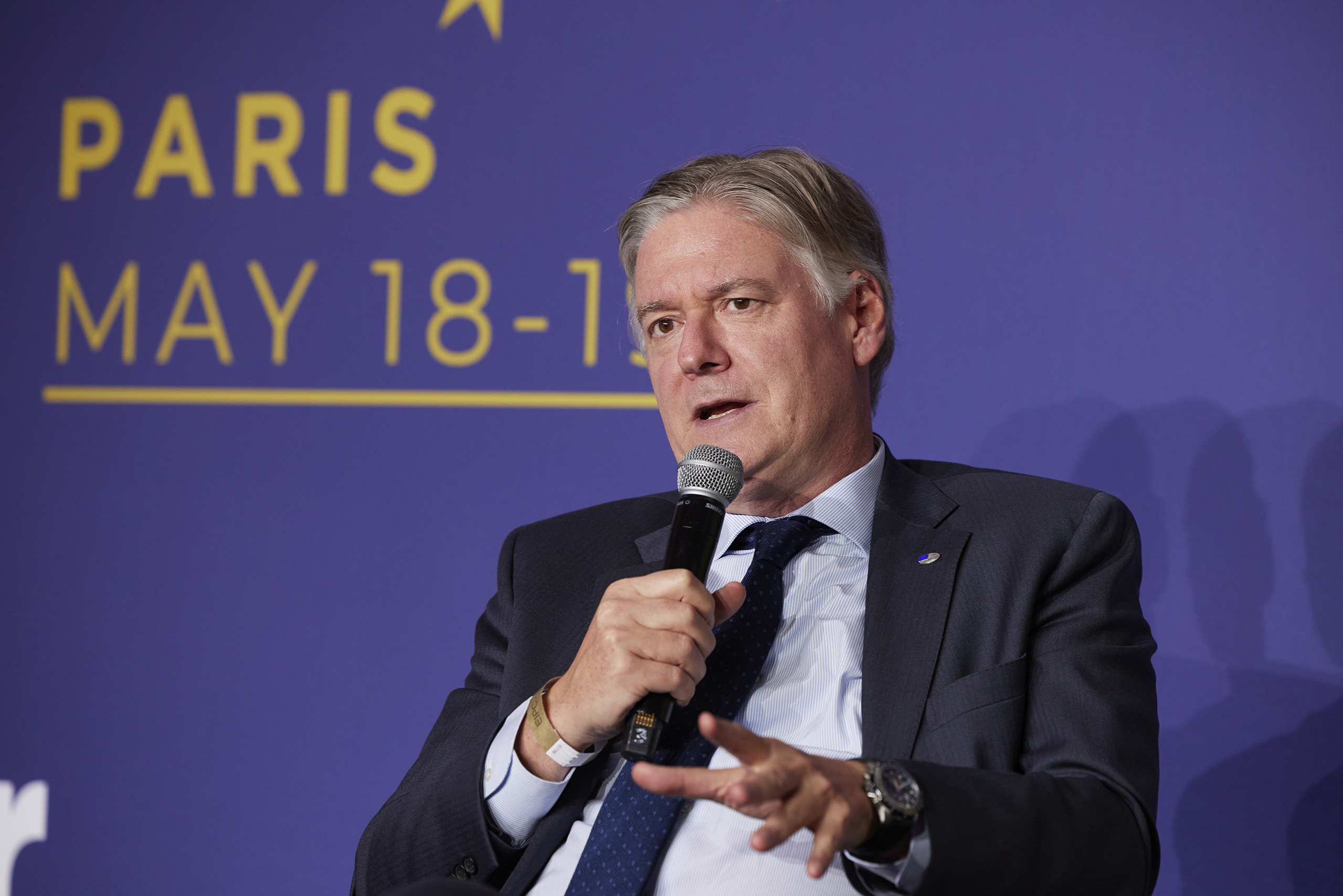
Session highlight — EIPC 2025
Session highlight — EIPC 2025
Session highlight — EIPC 2025