The Middle East stands at a decisive turning point
The Middle East stands at a decisive turning point, even as tensions continue to escalate. The outcome of the conflict is increasingly clear; what remains uncertain is its cost, its duration, and the shape of the new regional order that will emerge. This transformation did not begin recently. The region has been evolving since October 7, 2023, and even earlier with the Abraham Accords and the growing Iranian threat-not only to Israel, but to Gulf states as well. The US-Israel alliance is operating with remarkable effectiveness, delivering results that are both tangible and strategically significant. Earlier doubts regarding Israel’s ability to project air power deep into Iranian territory have now been decisively dispelled. The events of 2025, and in particular the June “12-day war,” demonstrated beyond question Israel’s operational reach and air superiority. Since the first strikes on February 28, this dominance has been evident.
At the same time, Israel’s defensive capabilities have proven extraordinary. Missile defense systems have intercepted the overwhelming majority of incoming threats, despite missed interceptions – as witnessed in Arad and Dimona on March 21st – reminding us that every interception is the difference between protection and catastrophe. More than 400 ballistic missiles have been launched toward Israel, with an interception rate of approximately 92%. Without these systems, developed through decades of technological investment, thousands of civilians would have perished. Equally striking is the resilience of the Israeli society. The population remains united, determined, and overwhelmingly supportive of the war effort. This unity transcends political divides: coalition and opposition, right and left alike stand behind the government and the IDF. Israel is engaged in a war not only for its own security, but for the stability of the region as a whole. The Iranian threat is multifaceted and systemic. It encompasses nuclear ambitions, ballistic missile development, global terrorism financing, and the activation of proxy forces such as Hezbollah and the Houthis. It extends further to the repression of civilian populations, both within Iran and across the region, including in Lebanon. The objective is clear: destabilization, coercion, and expansion. In Lebanon, there is growing hope that Hezbollah’s decades-long grip – marked by terror directed both at northern Israel and the Lebanese population – may finally come to an end. For the first time in over 40 years, it appears that the region may be entering a phase where the status quo is no longer sustainable.
War inevitably carries a human cost
War inevitably carries a human cost. Images emerging from the conflict are difficult, and the scale of missile attacks has been unprecedented. Yet the relatively low number of casualties on the Israeli side underscores the effectiveness of its defensive architecture. This is not merely a technological success; it is the difference between a contained conflict and mass civilian loss. Meanwhile, global concern continues to grow – particularly in Europe. The conflict is already reshaping international dynamics, raising questions about alliances, strategic positioning, and institutional responses. A series of alarming developments suggests the potential for further escalation.
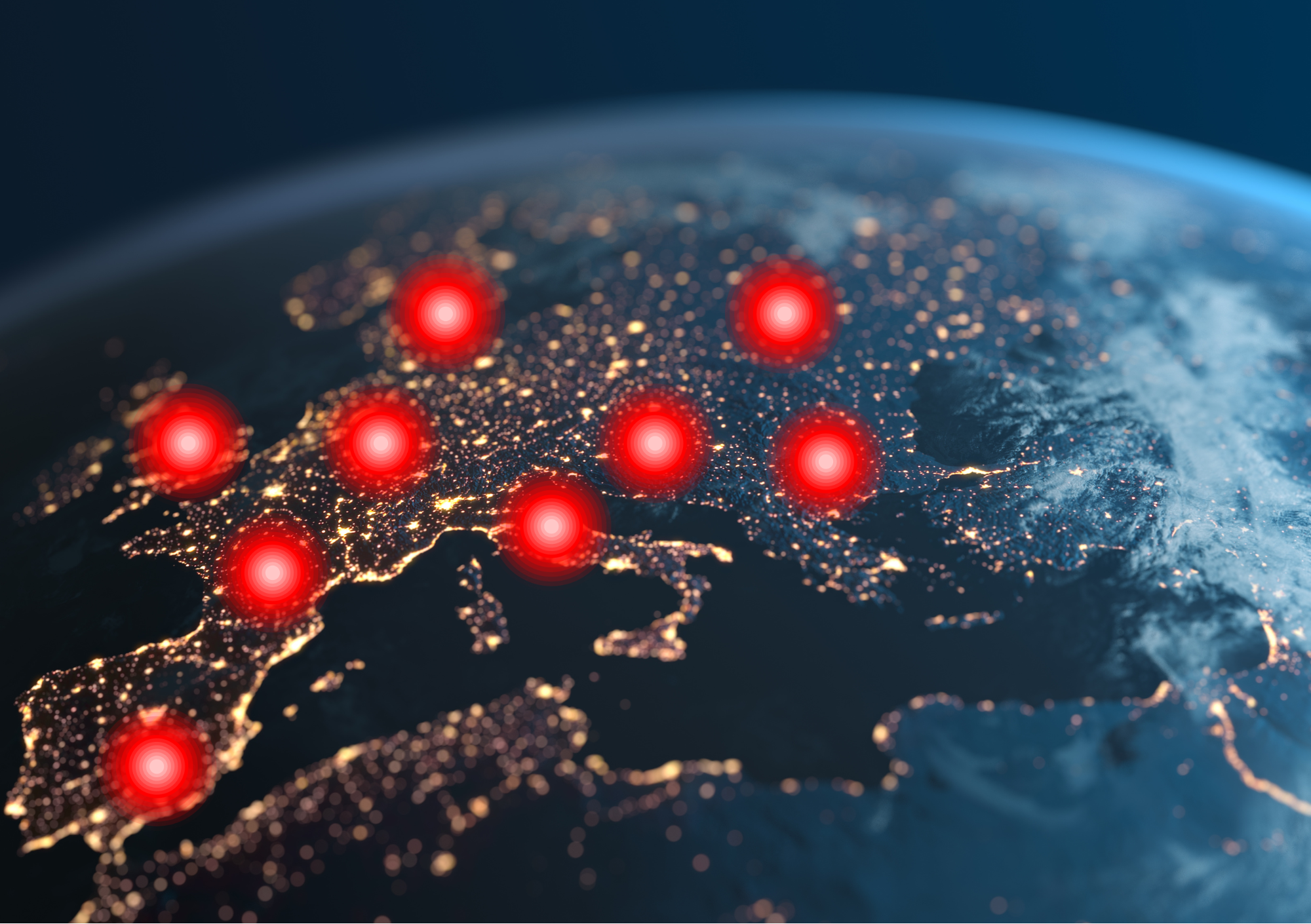
In recent weeks, missile trajectories have extended beyond the immediate theatre – toward Cyprus, then Turkey, and most recently toward Diego Garcia. This remote but highly strategic base in the Indian Ocean, long used by the United States for operations in Afghanistan and Iraq, occupies a critical position in global military logistics. The strike toward Diego Garcia carries implications far beyond its immediate tactical significance. It demonstrates Iran’s capacity to project power across distances exceeding 5,000 kilometers. For comparison, Tehran is approximately 4,000 kilometers from Paris. The message is unmistakable: Europe is within range.
This capability had previously been underestimated. President Donald Trump warned of extended-range Iranian missile capabilities, contradicting prevailing expert assessments that placed the limit at around 2,000 kilometers. Recent developments have validated those concerns.
The Iranian regime continues to escalate on multiple fronts
The Iranian regime continues to escalate on multiple fronts: threatening regional stability, targeting moderate Sunni states in the Gulf, disrupting global economic flows through the Strait of Hormuz, and now extending its reach toward Europe itself. This is no longer a regional issue; it is a strategic challenge with global implications. The central question facing Europe today is its level of engagement. The strategic logic for involvement is compelling. The fall of the Iranian regime and the liberation of the Iranian people from authoritarian Islamist rule align directly with European values. A regime that represses its own population, manipulates its neighbors, finances terrorism, including attacks that have struck European soil, and holds the global economy hostage cannot be treated as a distant concern. Energy markets are already reacting. Oil prices are rising, and the risk of broader economic disruption is increasing. Yet Iran continues to escalate, betting on European hesitation.
Paradoxically
Paradoxically, these actions should trigger the opposite response: a clear, unified European engagement aimed at accelerating the end of the conflict and reinforcing deterrence. Such a response would not only strengthen transatlantic ties but also demonstrate Europe’s strategic credibility. A more unified Middle East would, in turn, create a critical opportunity for Europe to engage in an emerging alliance against a common threat, paving the way for deeper and more structured forms of cooperation.
The question of European defense, long debated, now demands urgent reconsideration. Is this not the moment to move from concept to reality? European reactions remain uneven. The strike toward Diego Garcia is widely perceived as both a warning and a provocation aimed at deterring European intervention. Yet France continues to prioritize dialogue, despite being a direct target of Iranian-backed actions. The 1983 Drakkar bombing in Beirut, which killed 58 French paratroopers, stands as a stark reminder. More recently, attacks on French forces in Iraq have reinforced this reality.
The United Kingdom, while more discreet in its positioning, is already involved through the use of strategic bases such as Diego Garcia. Germany has expressed strong political support for Israel and the United States, though its military capabilities remain limited.
On European Hesitation:
Several factors explain Europe’s hesitation: the political cost of intervention, economic constraints, military readiness, and competing priorities such as the war in Ukraine. There is also, perhaps, a lack of strategic clarity. Eastern European countries, by contrast, display a greater alignment with Israel’s position. Their historical experience with security threats forms a more acute understanding of the stakes. Cooperation between Israel and countries such as Estonia, the Czech Republic, Poland, and Finland continues to deepen. Recent high-level visits, including that of Estonia’s foreign minister to Israel, underscore this trend. Germany’s support remains firm and consistent.
In Western Europe, tensions persist, particularly in Spain as well as in France and the United Kingdom, largely fueled by domestic debates and recent political decisions such as the unilateral recognition of a Palestinian state. These tensions are often more visible at the societal level than at the leadership level, but they nonetheless shape the broader political environment. Ultimately, Europe faces a deeper structural challenge. For decades, it has lived without war on its soil. This has shaped both its strategic culture and its reflexes.
The question is no longer theoretical: Will Europe recognize this strategic momentum, and prepare for what may be an unavoidable reality?
Is Europe Ready?

Download the full analysis here
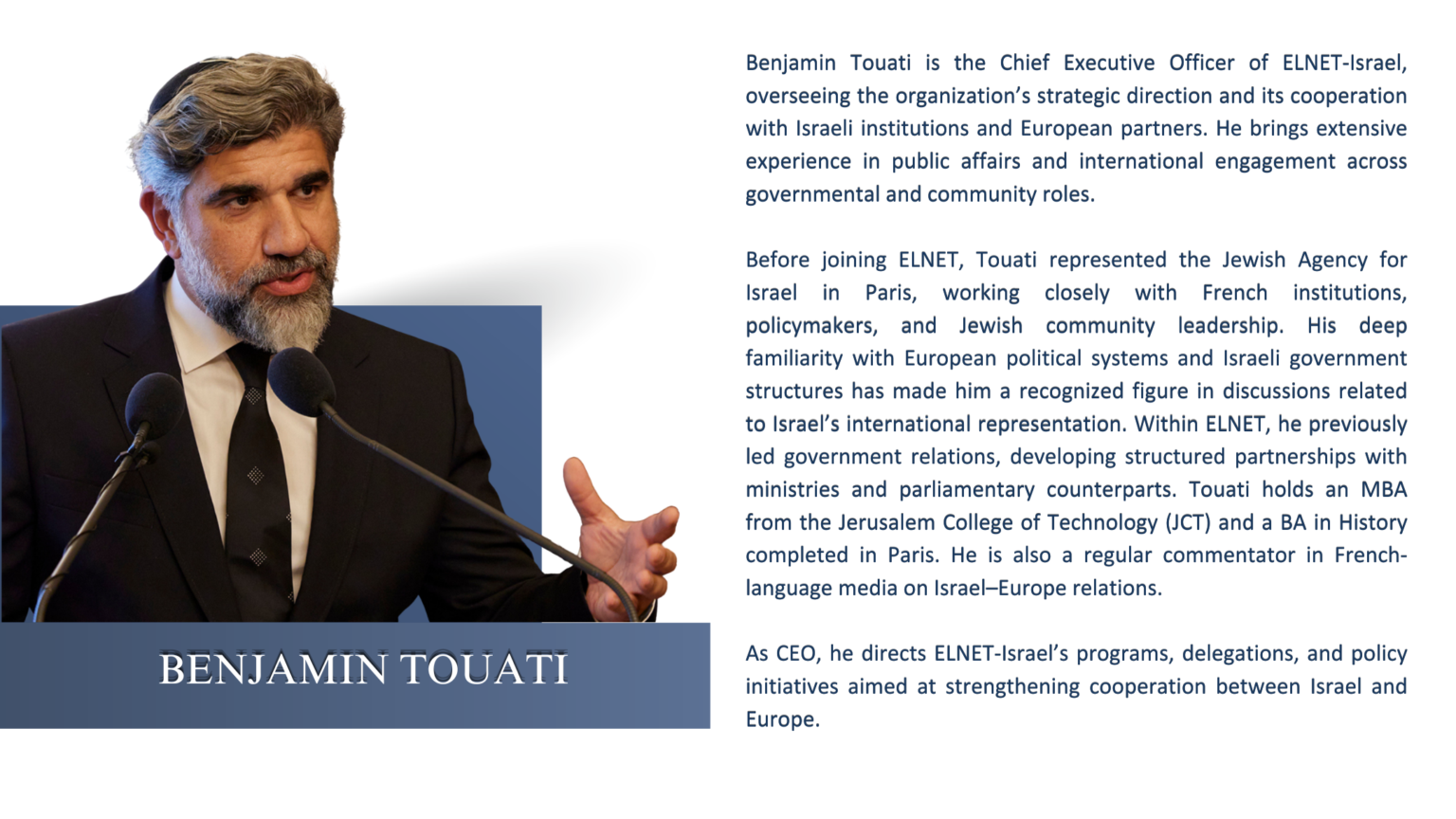
About the author