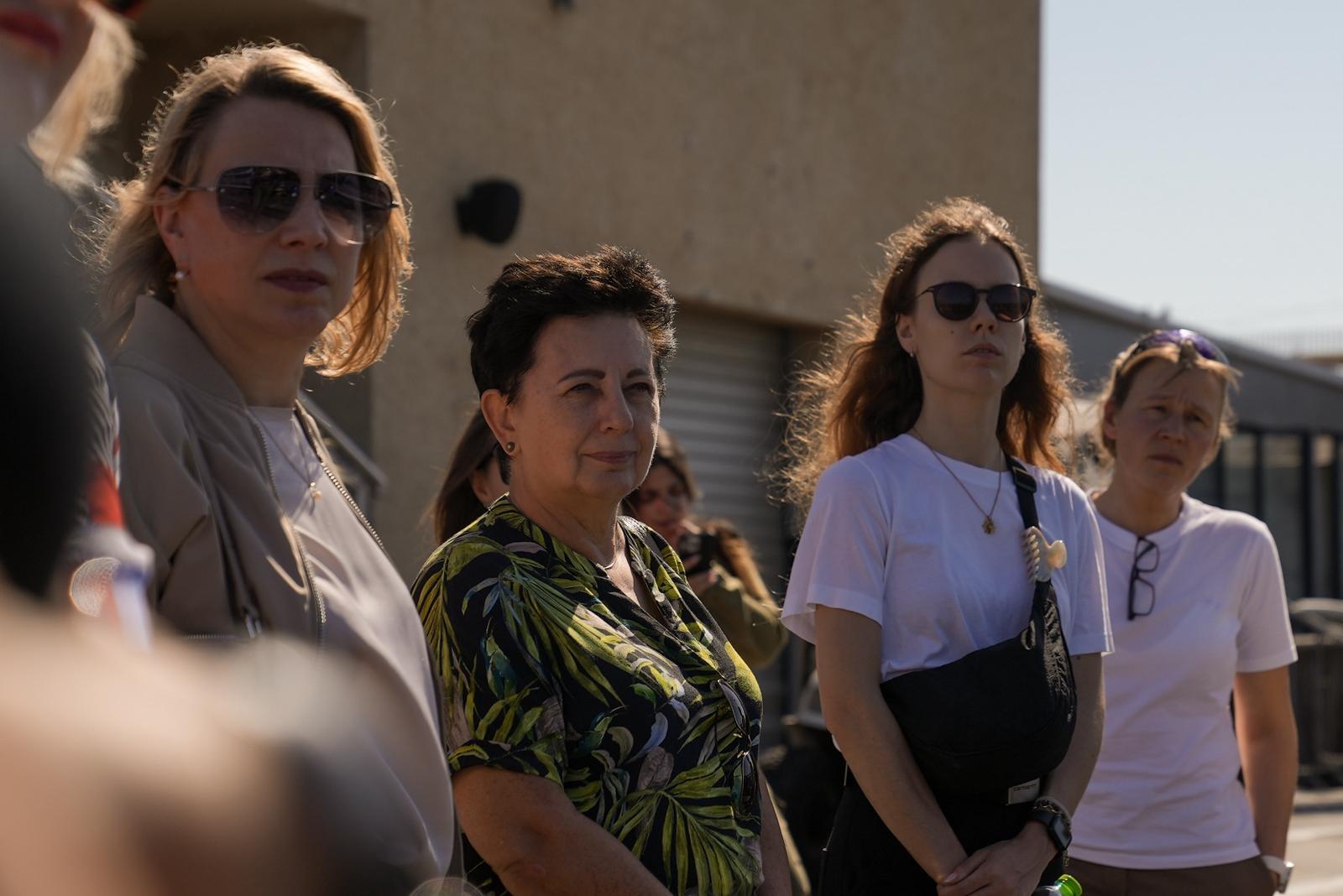
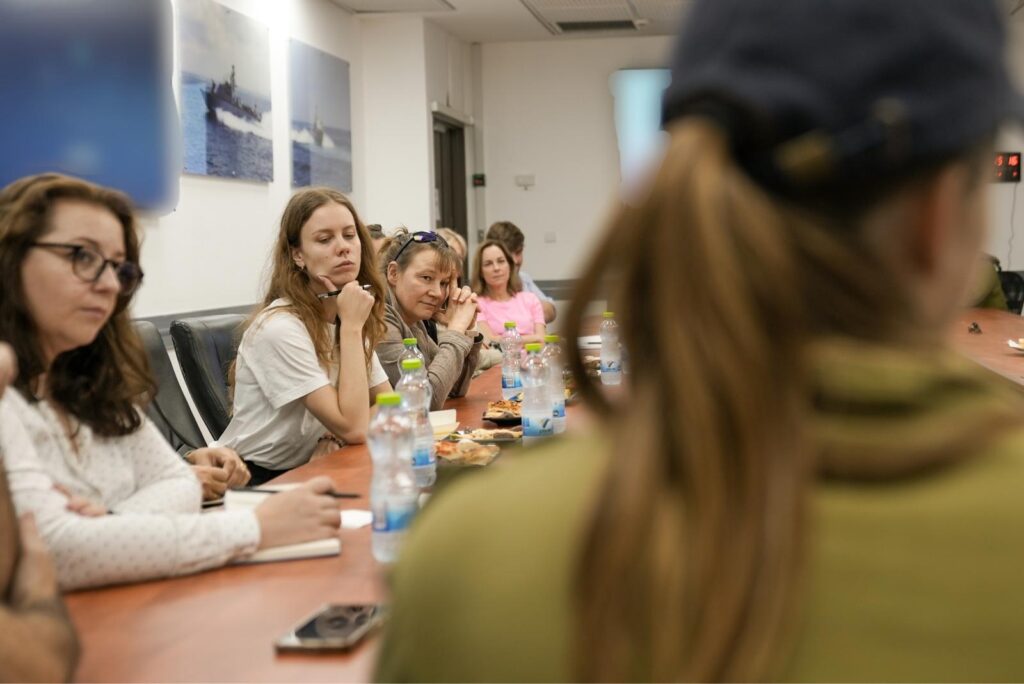
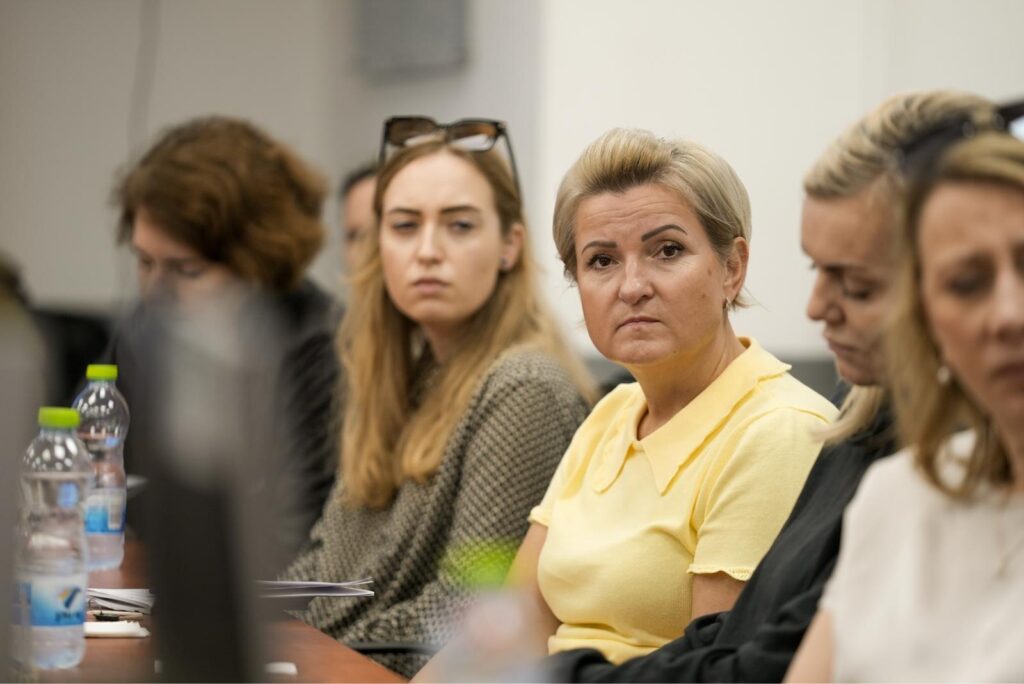
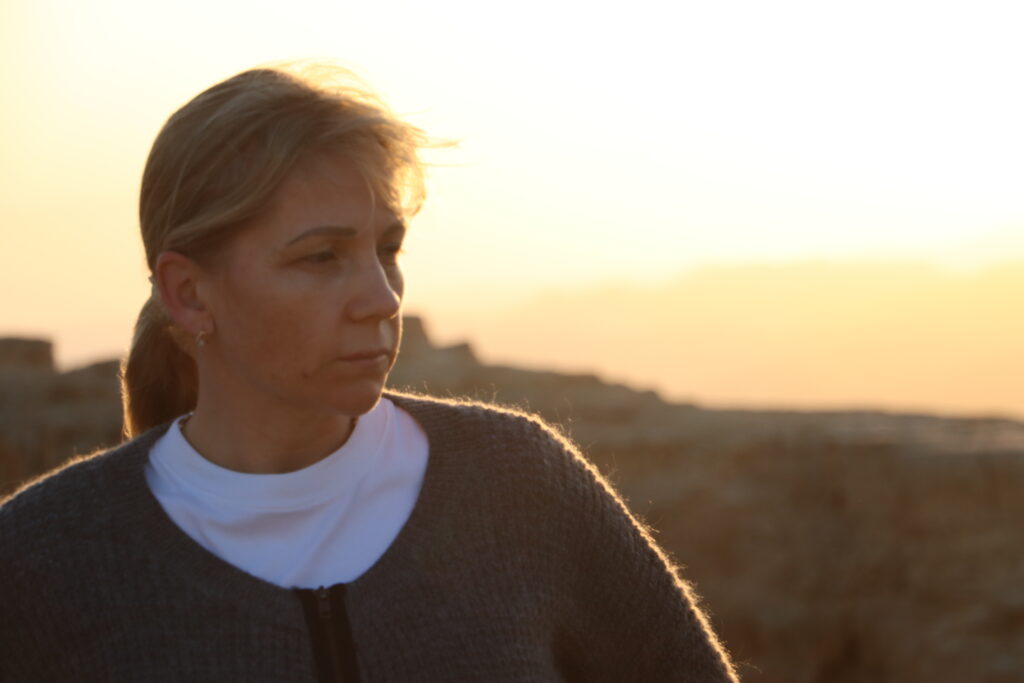
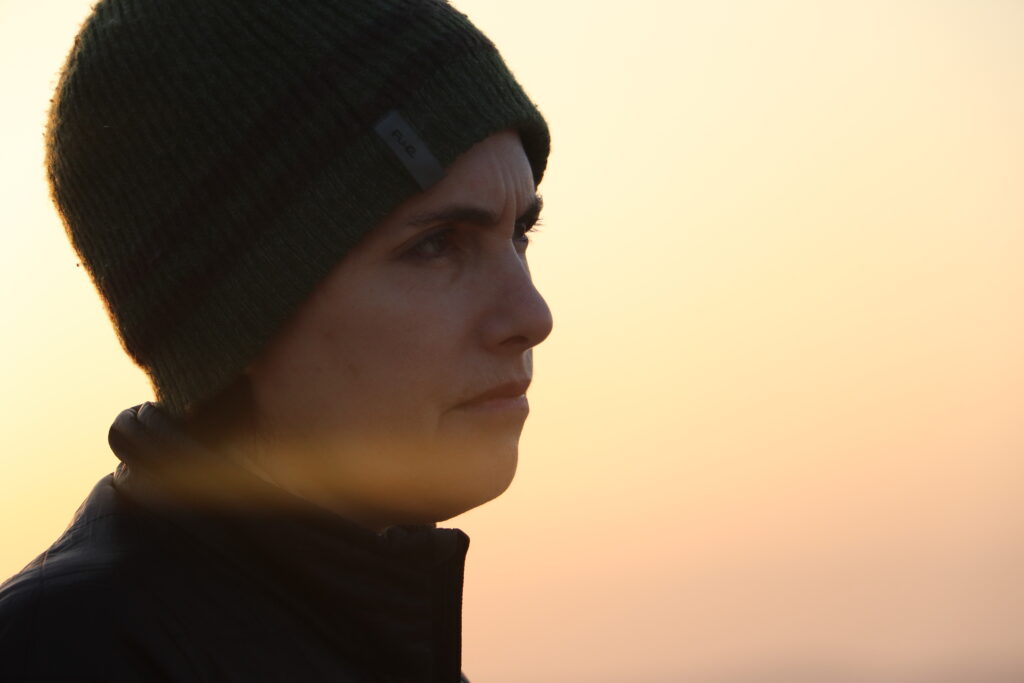
In late October 2025, ELNET CEE brought together a group of senior women leaders from across Central and Eastern Europe for the second Women Mission to Israel. At a time when Europe faces its most serious security challenges since the Cold War, the delegation explored how Israel integrates women into national defence, not as an exception, but as a strategic asset.
Across five intense days, participants met soldiers, commanders, policymakers, innovators, and survivors whose stories illuminated the evolving role of women in security, resilience, and national leadership.
A Window into Israel's Reality
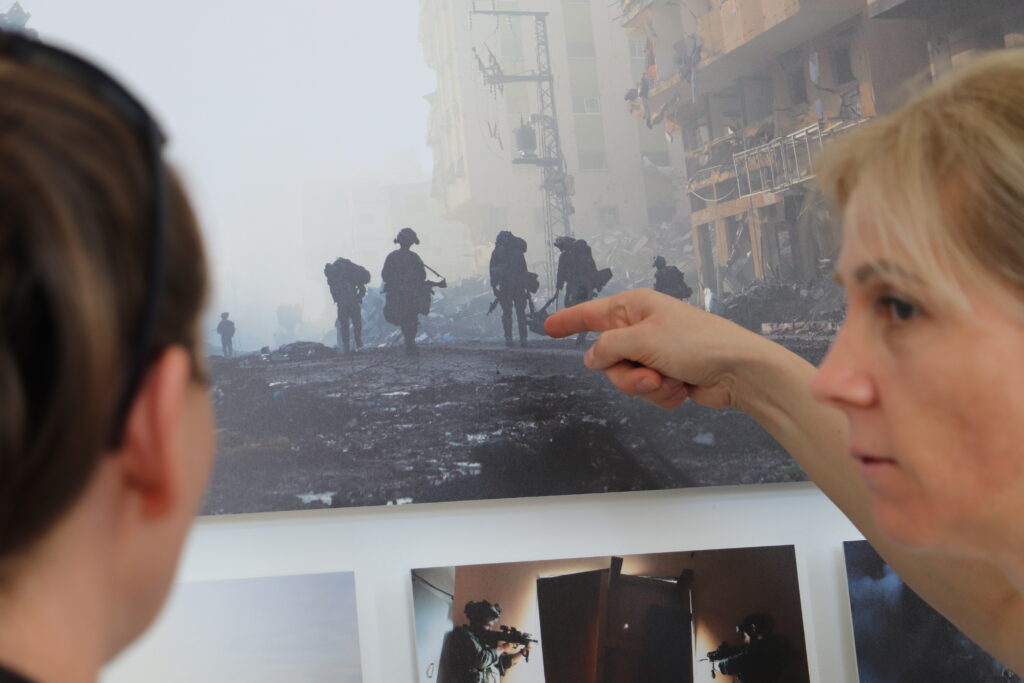
The mission opened with a stark overview of Israel’s security landscape: the ongoing regional threats, the complexity of urban conflict, and the challenge of countering misinformation. Briefings underscored how the IDF balances military necessity with legal and ethical oversight, a crucial theme as European states reassess their own defence doctrines.
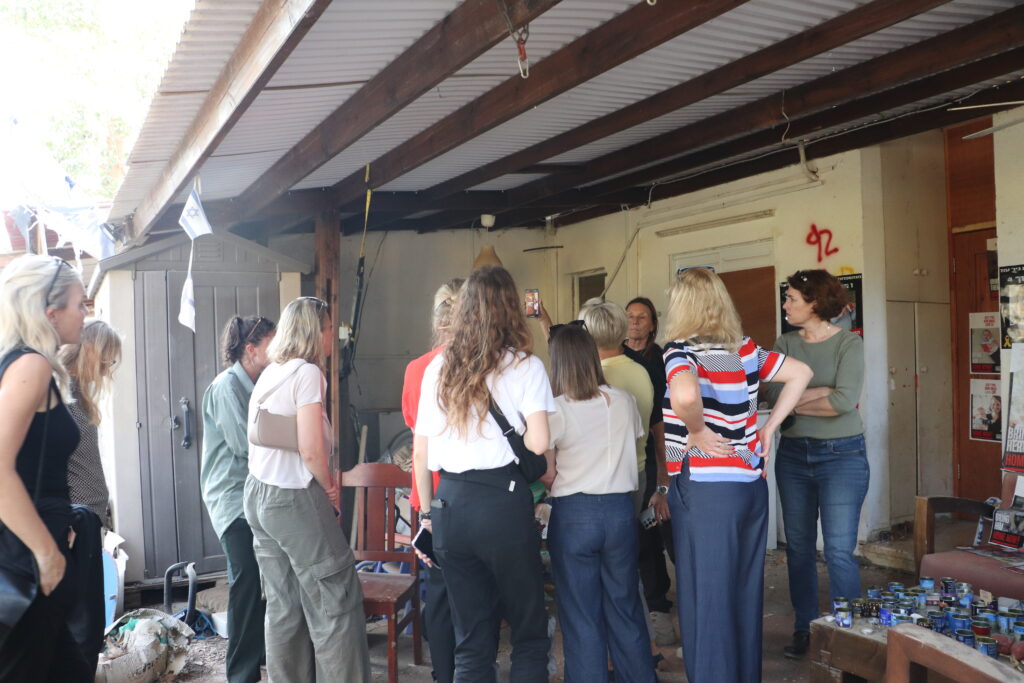
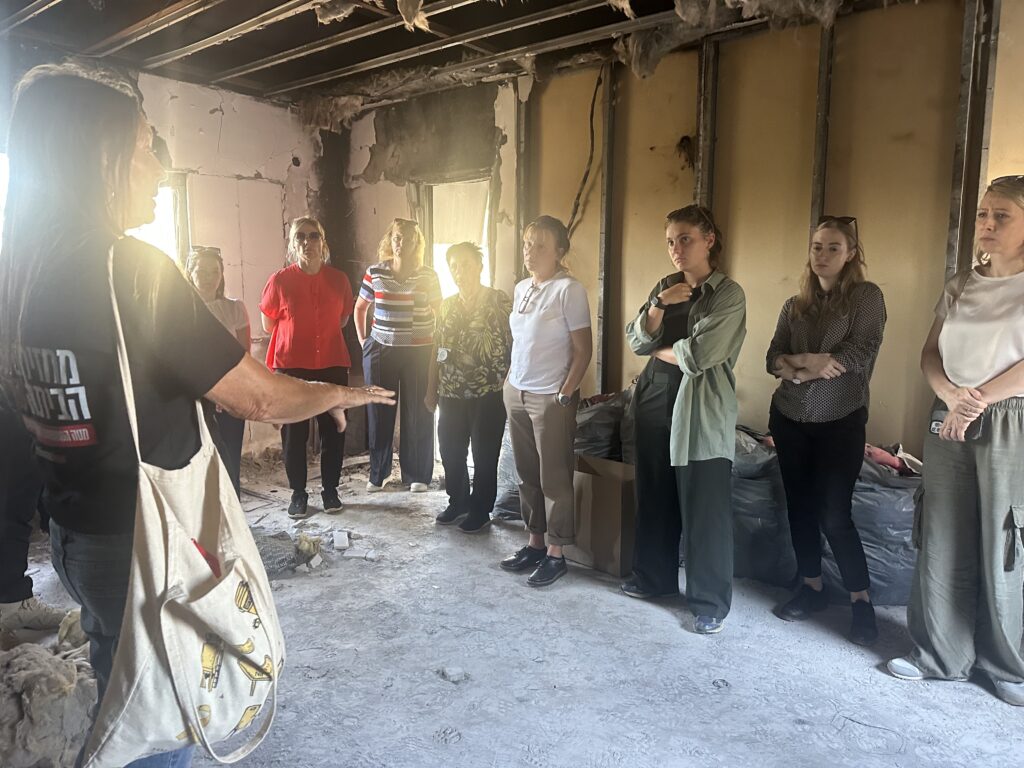
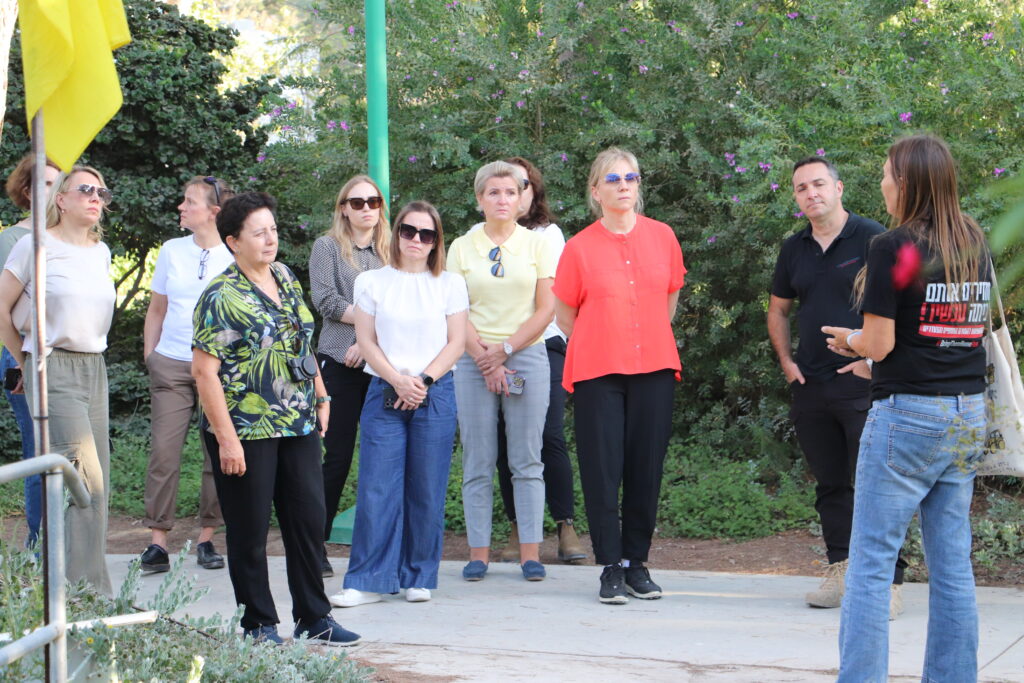
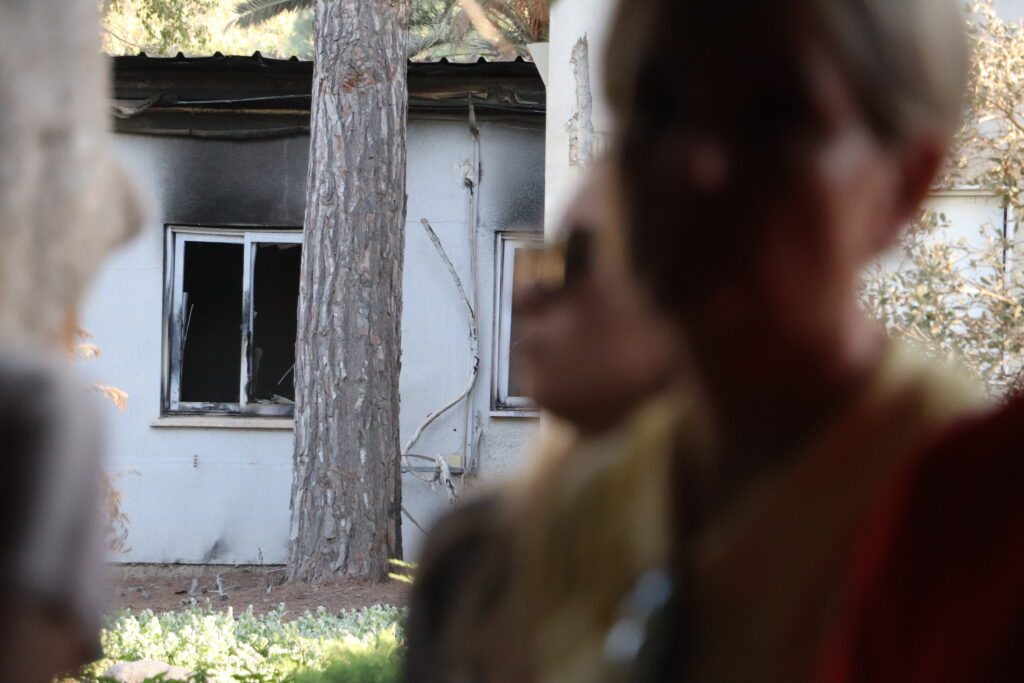
Visits to key sites in Israel’s south, including communities devastated on October 7, offered unfiltered insight into the human cost of terrorism and the resilience shaping Israel’s recovery.
Women in Combat: Redefining the Battlefield
One of the mission’s most powerful themes was the visible – and often trailblazing – presence of women in operational roles.
Delegates met:
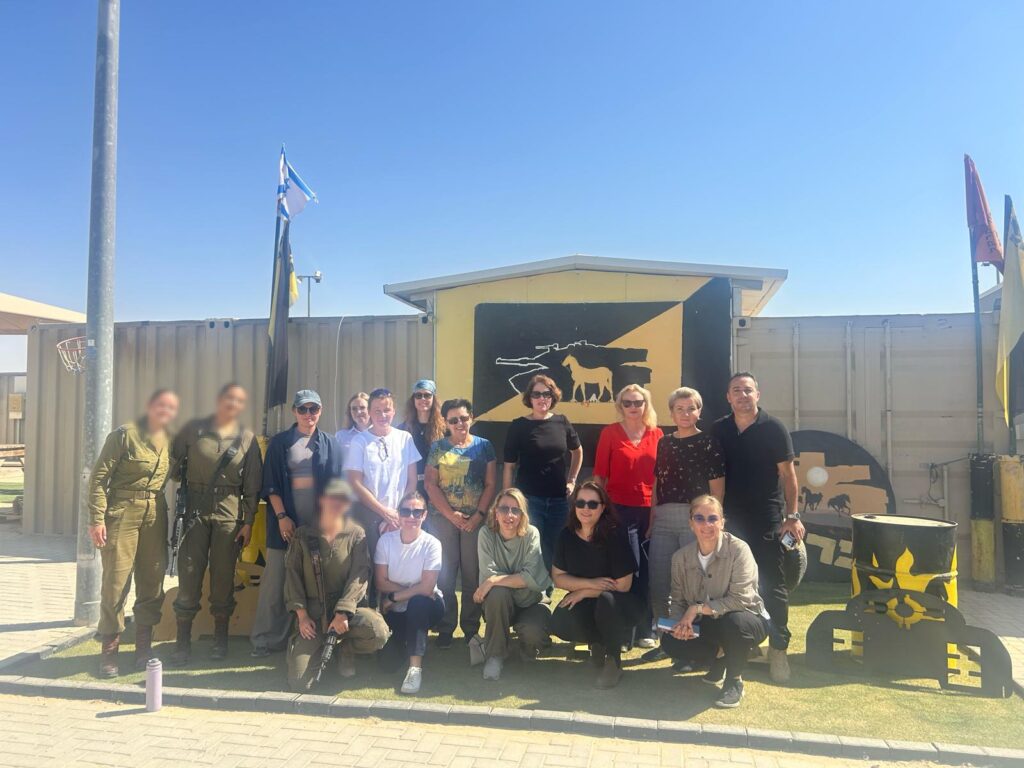
Mixed-gender naval teams operating just kilometres from Gaza.
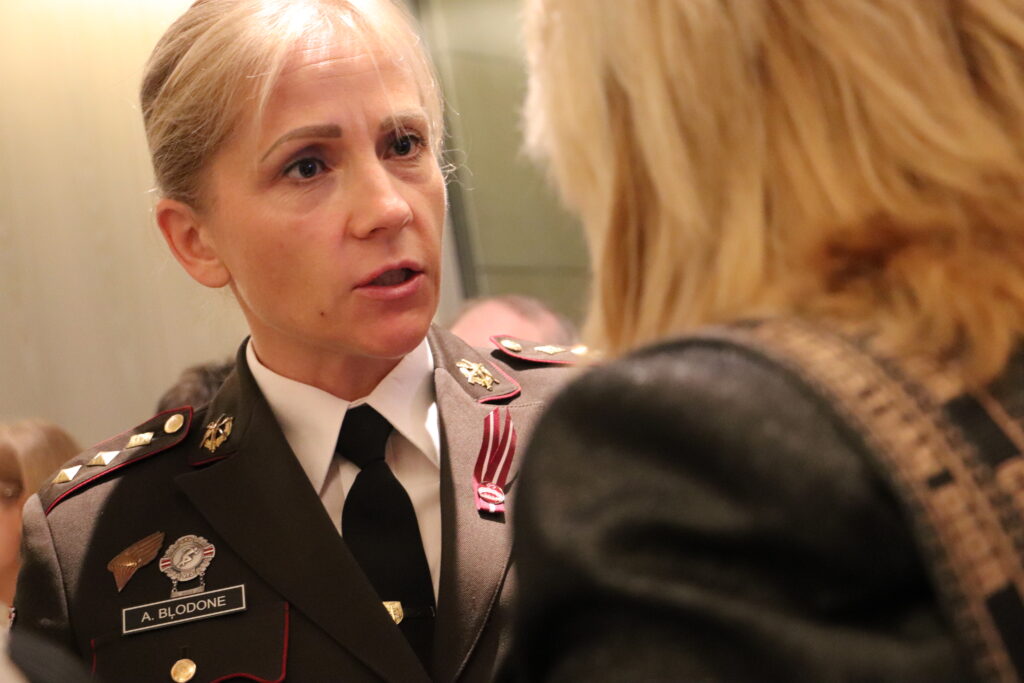
Female tank crews whose actions on October 7 became a turning point in how women’s combat capabilities are viewed.
Medical officers, paramedics, and commanders leading life-saving operations in some of the war’s most chaotic hours.
Their stories revealed not only extraordinary courage but also a cultural shift: in today’s IDF, proficiency, not gender, defines the role.
The Mission attended a Women Leadership Gala Dinner, organized by ELNET-Israel in their honour.
Leadership, Innovation, and Service
Beyond the battlefield, the delegation engaged with women shaping Israel’s broader security ecosystem, from strategic researchers at INSS to lone soldiers who left lives abroad to serve, and to women driving Israel’s tech and mobility sectors.
A recurring message emerged: women’s leadership strengthens institutions, whether in combat, diplomacy, technology, or humanitarian coordination.
Moments of Reflection
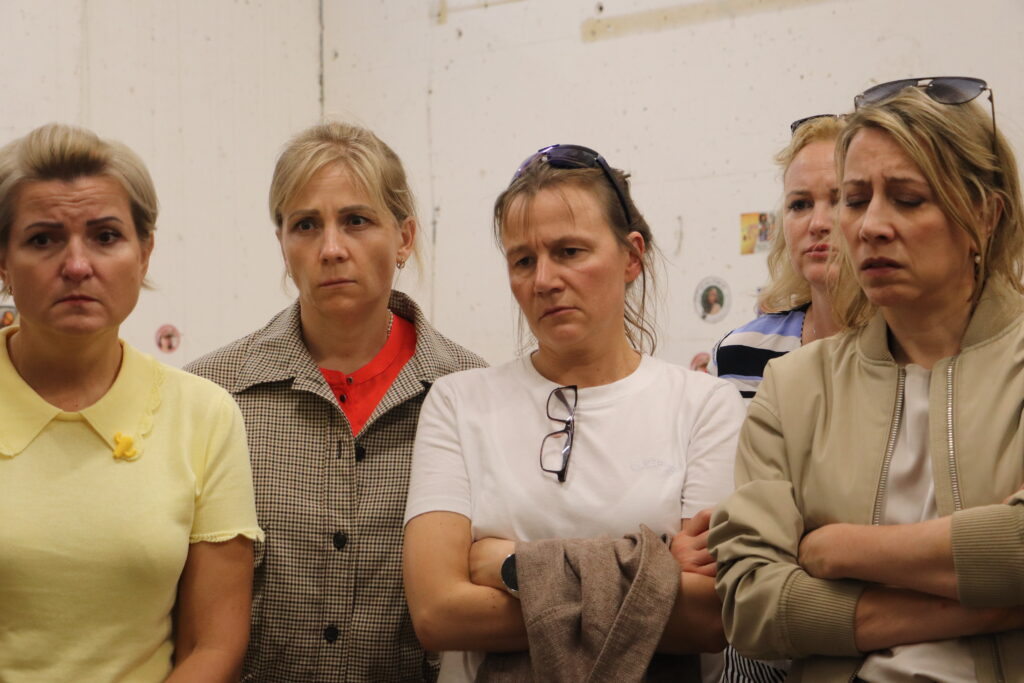
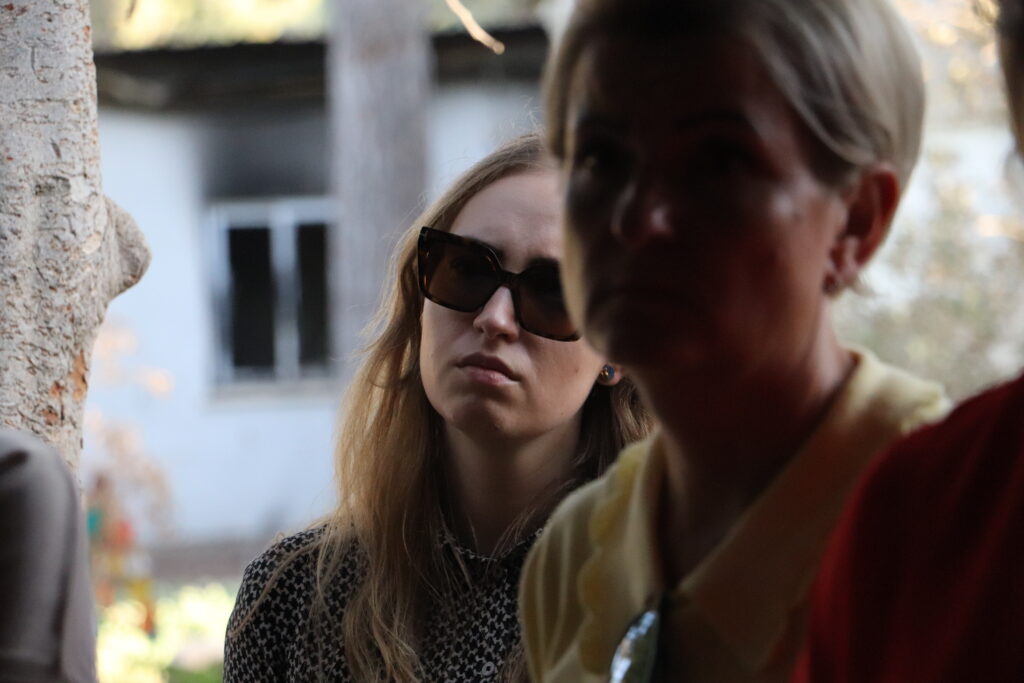
Visits to the Nova Festival site and Kibbutz Nir Oz confronted delegates with the profound emotional and societal scars left by October 7. These encounters grounded the mission in the lived experience of Israeli communities, a reminder that security policy is not abstract, but deeply human.
Strategic Takeaways for Europe
As CEE states rethink defence structures, conscription models, and resilience strategies, Israel’s experience offers relevant lessons:
Integrating women at every level of national security is not symbolic — it is operationally decisive.
Universal service models can create societal cohesion and talent pipelines Europe may need to strengthen.
Investing in mental resilience is as crucial as investing in military capability.
Effective communication and counter-disinformation are indispensable in modern conflict.
Looking Forward
The mission closed with forward-looking discussions on governance, mental health, humanitarian coordination, and the renewed moral contract between the state and its citizens.
What resonated most with participants was not only the strategic knowledge gained, but the spirit behind it, the unwavering commitment of Israeli women who serve, lead, innovate, and protect.
Their Stories reinforce a simple truth:
The future of security – in Israel, in Europe, and beyond – depends on women being empowered to stand on the frontlines, wherever those frontlines may be.