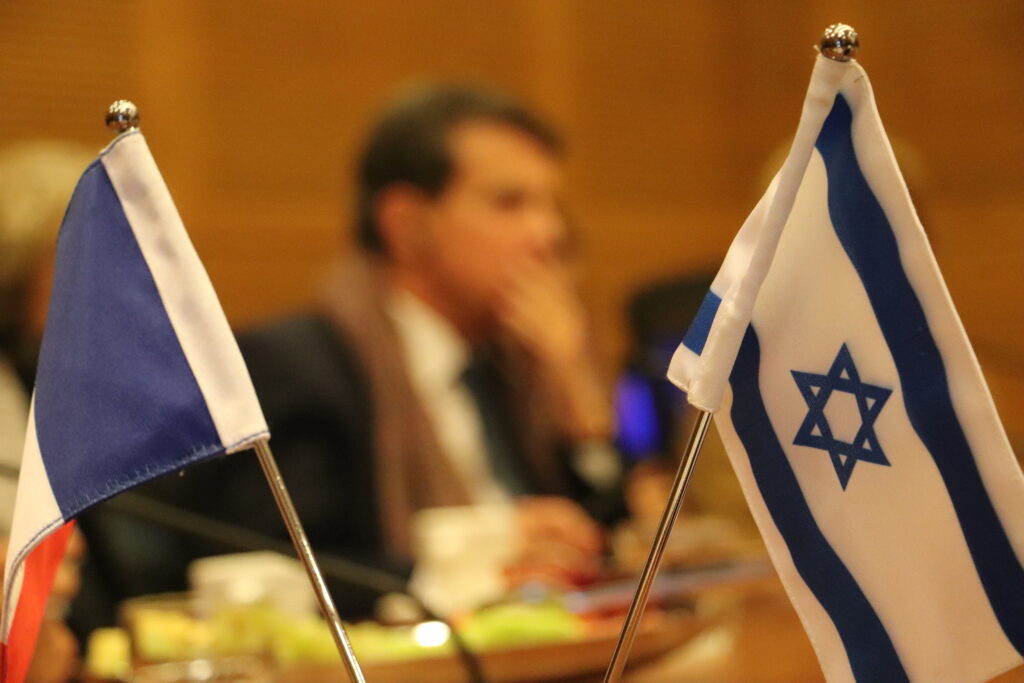
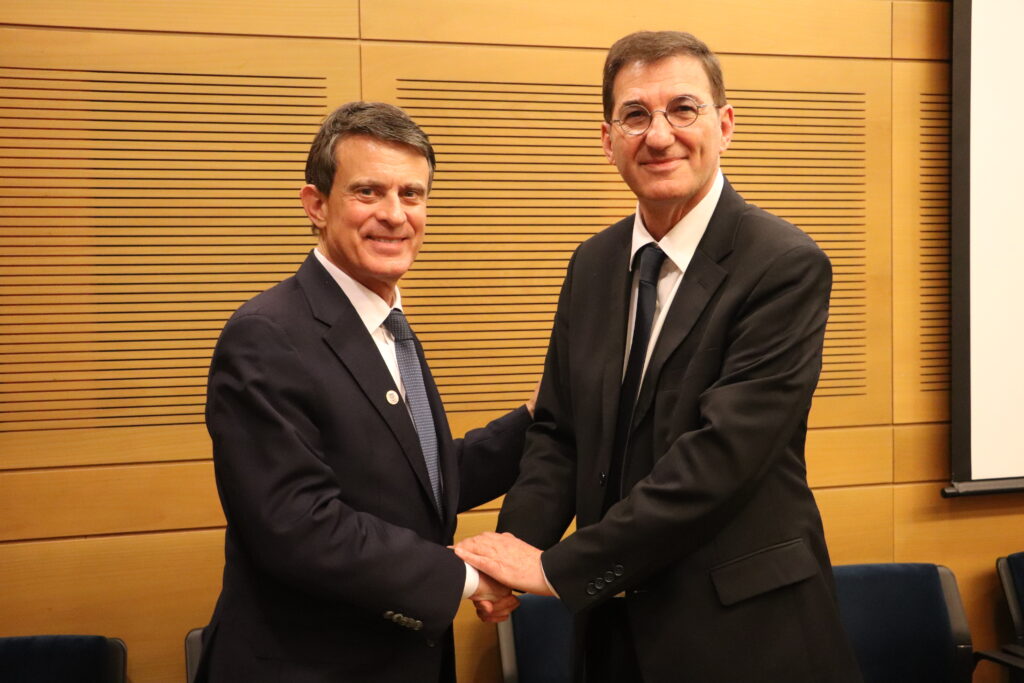
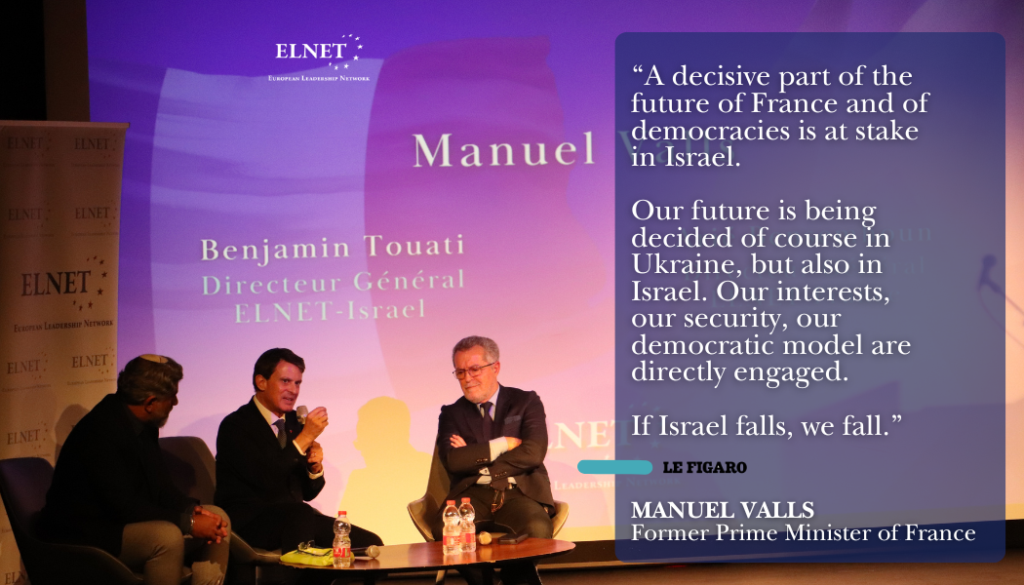
Between January 11 and 16, 2026, former French Prime Minister Manuel Valls conducted a high-level visit to Israel, during a sensitive diplomatic context. Against the backdrop of evolving debates in France about Israel, the Middle East, and antisemitism in Europe, the visit carried significant political and symbolic weight.
The program combined security briefings, field visits, institutional meetings, and public engagements, giving Manuel Valls direct exposure to Israel’s security environment, political landscape, and societal challenges.
Security and Field Realities in Northern Israel
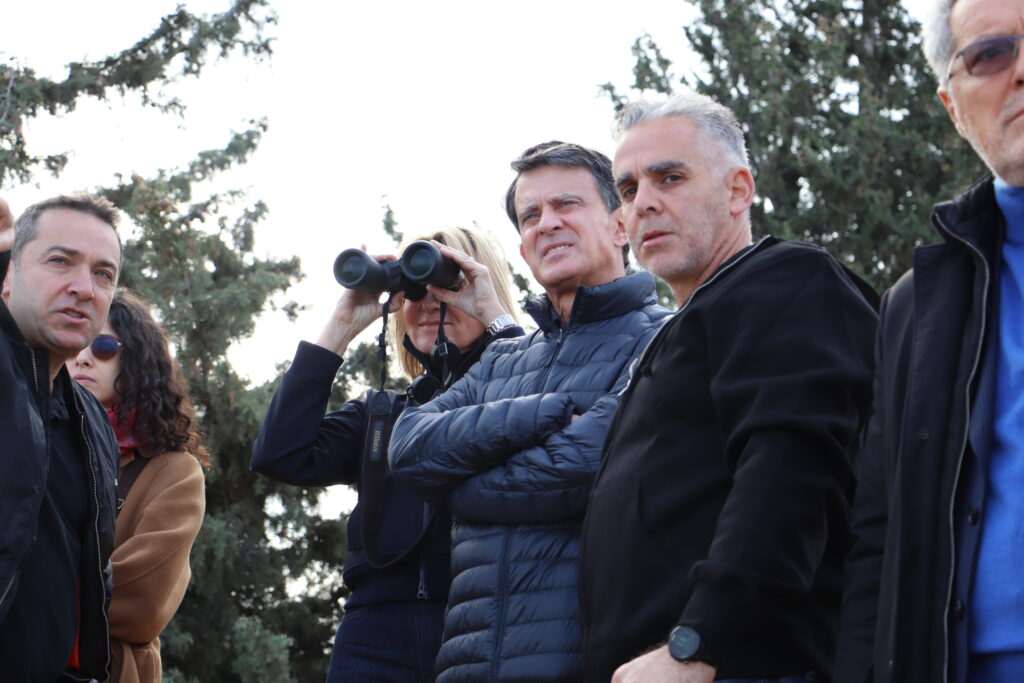
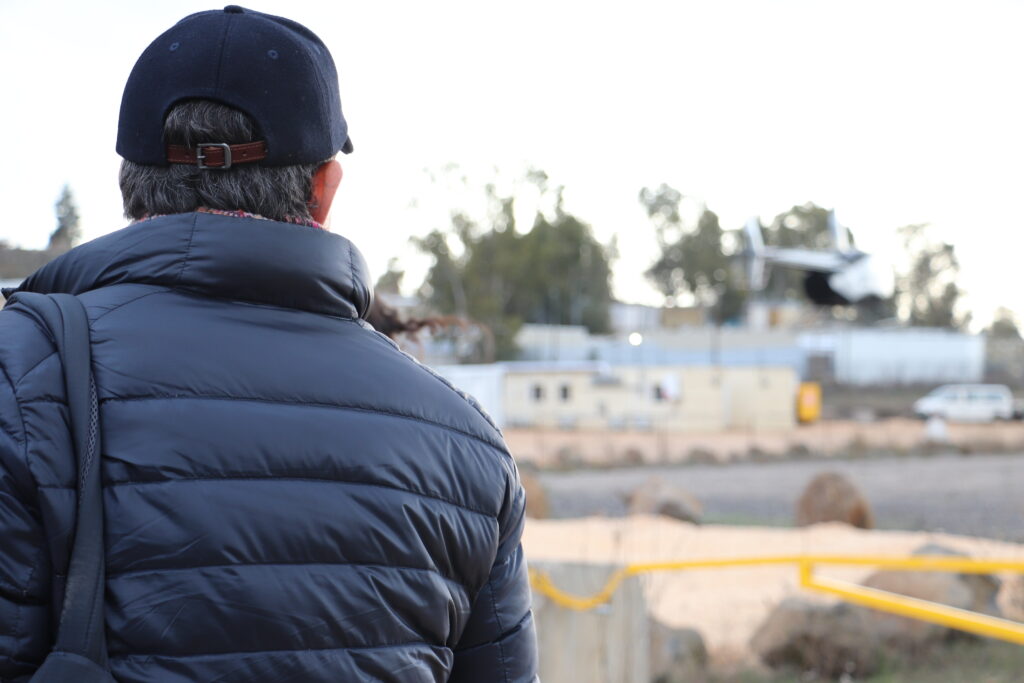
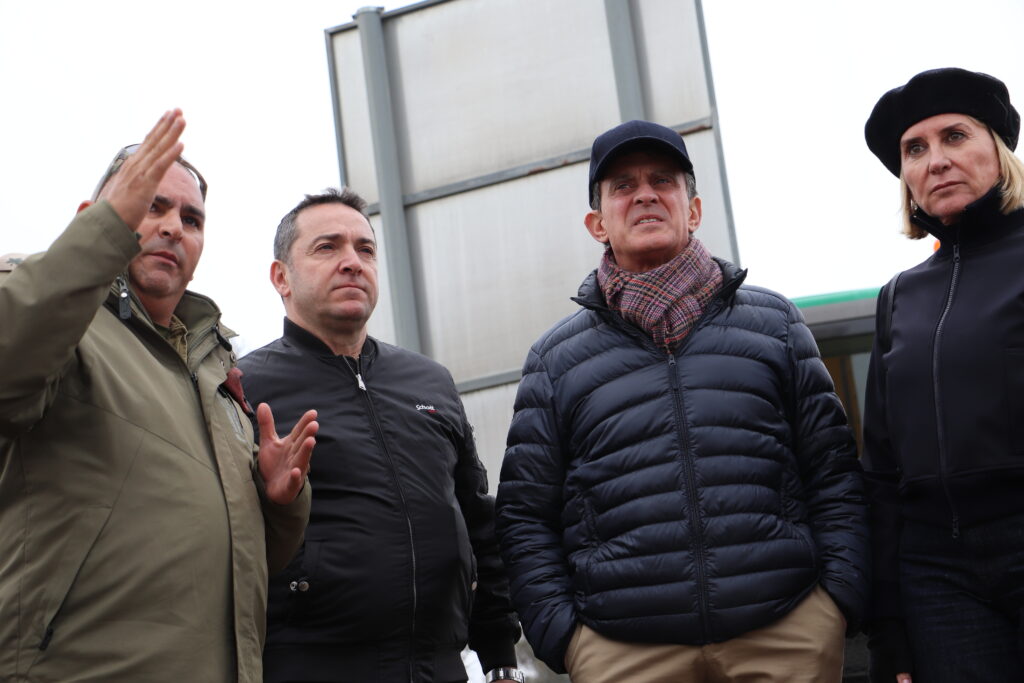
The first full day of the visit was dedicated to Israel’s northern borders with Lebanon and Syria. At Mount Bental in the Golan Heights, Manuel Valls received a security briefing on the situation along the border and the broader regional developments. From this strategic viewpoint, he was able to better understand the instability on the Syrian front and the ongoing security challenges facing northern Israel.
The delegation then traveled to Majdal Shams, the Druze town in the Golan Heights that was hit by a deadly Hezbollah rocket attack in July 2024, which killed twelve children. There, Manuel Valls met with local leaders to hear directly about the impact of the attack on the community and the daily reality of living under the constant threat of cross-border violence. The discussions highlighted both the human cost of the conflict and the resilience of the Druze community.
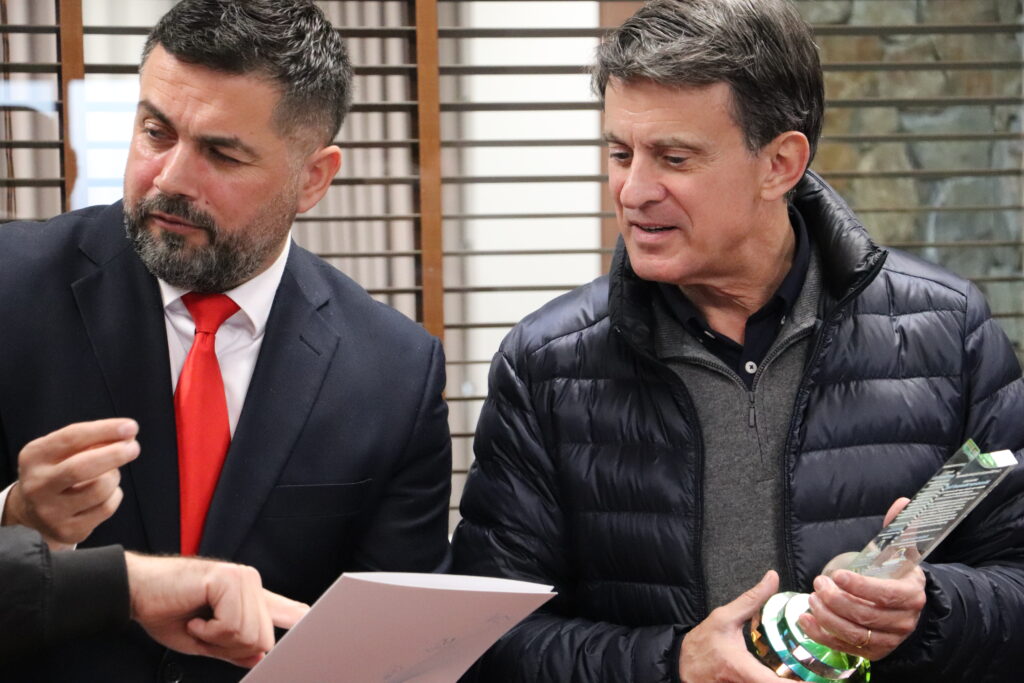
During the visit, Manuel Valls was presented with the Majdal Shams Award in recognition of his friendship and his strong and consistent support for the Druze minority and for the State of Israel.
IDF Briefings were held to address instability in southern Syria and the presence of jihadist factions.
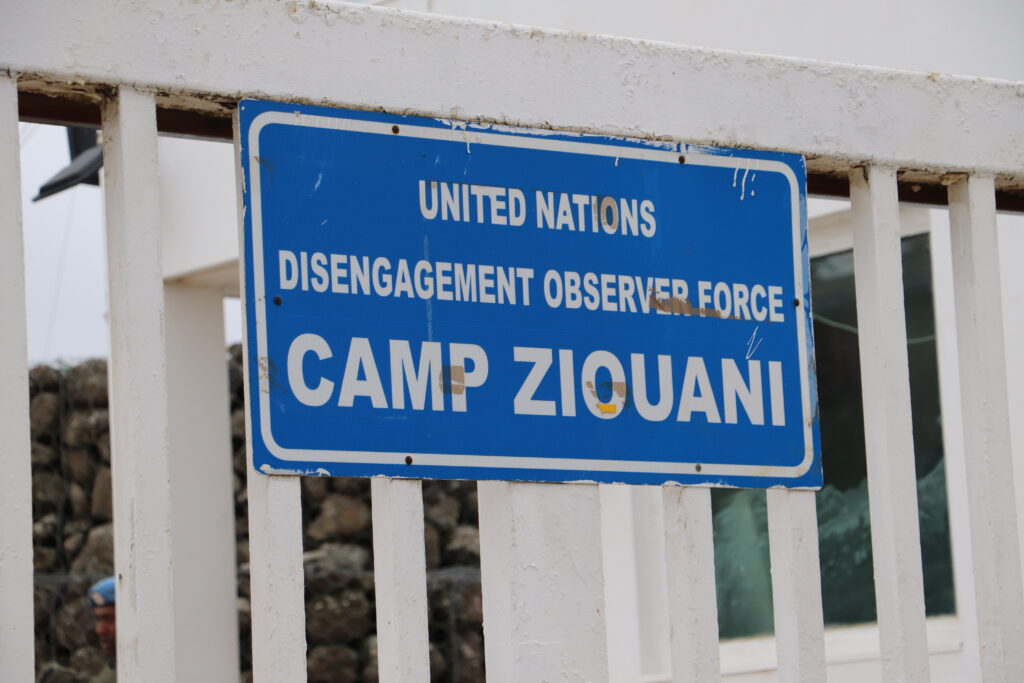
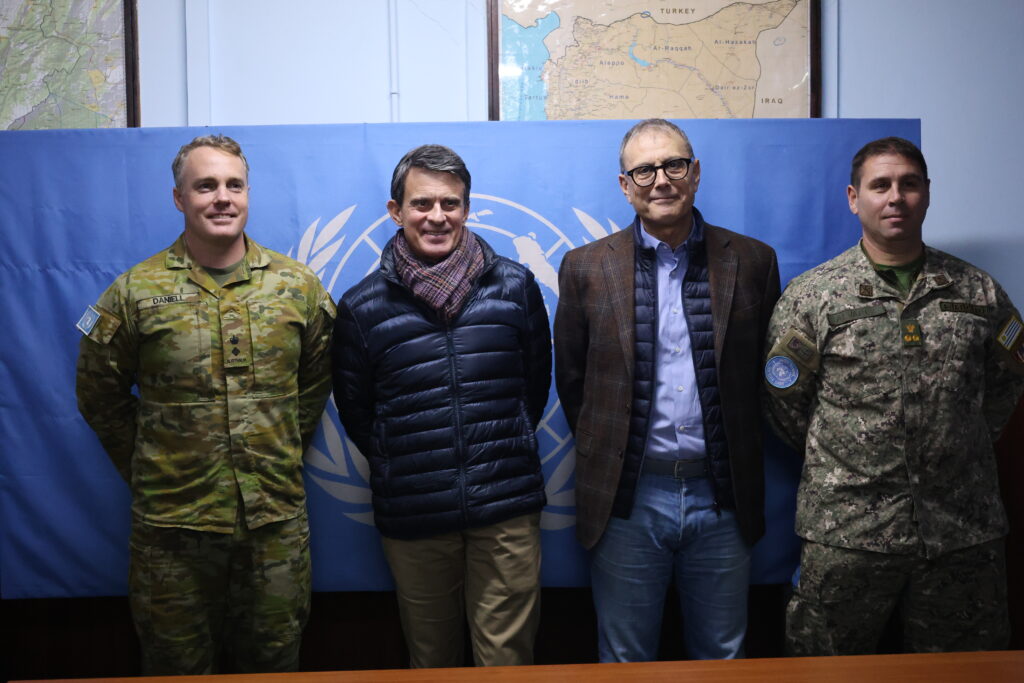
The northern program concluded with a visit to UNDOF Camp Ziouani, where officers presented the mandate and operational constraints of the United Nations Disengagement Observer Force. The discussion focused on the challenges faced by international peacekeeping forces in the current security environment.
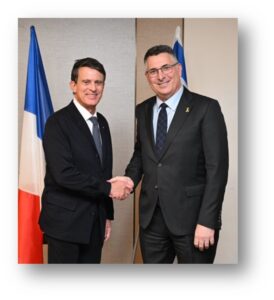
Upon his return, Manuel Valls met with Minister of Foreign Affairs Gideon Sa’ar. The meeting focused on the challenges facing Israel, France, and Europe.
Minister Sa’ar emphasized the importance of Manuel Valls’ clear and consistent stance on these issues and described his voice as that of an experienced and realistic statesman in the European context. The day concluded with a dinner discussion with Professor Daphne Richemond-Barak, focusing on international law, terrorism, and the legal challenges of asymmetric warfare.
Southern Front and Gaza: Operational Briefings and Civil-Military Coordination
The second day focused on Israel’s southern front and civil-military coordination. Manuel Valls entered the Gaza Strip as part of an IDF-coordinated visit in a restricted military zone, where he received operational briefings from senior officers.
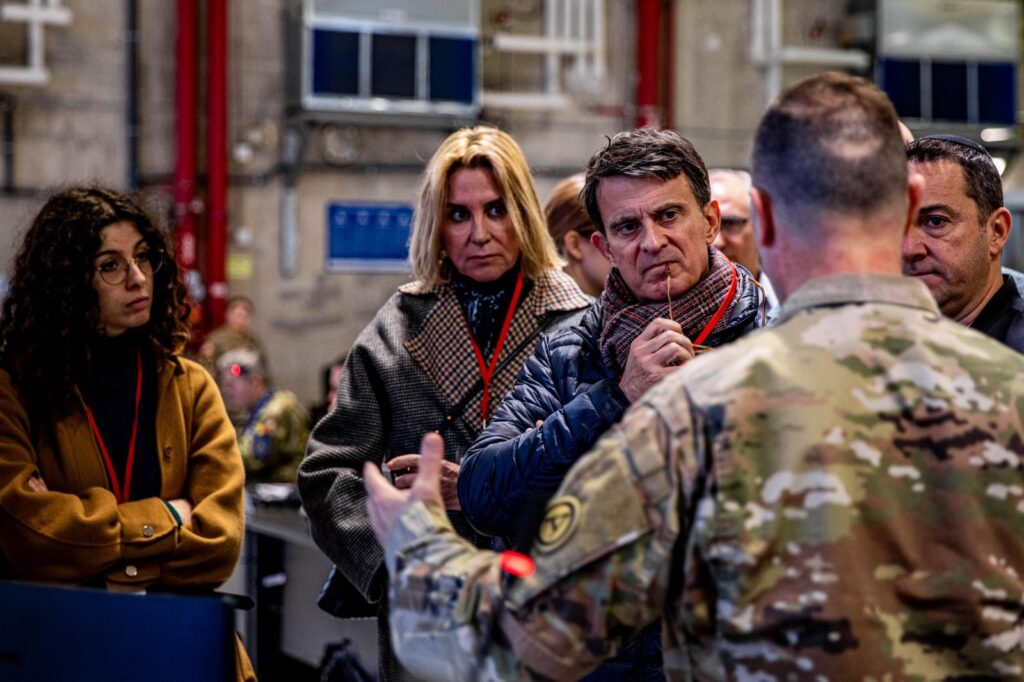
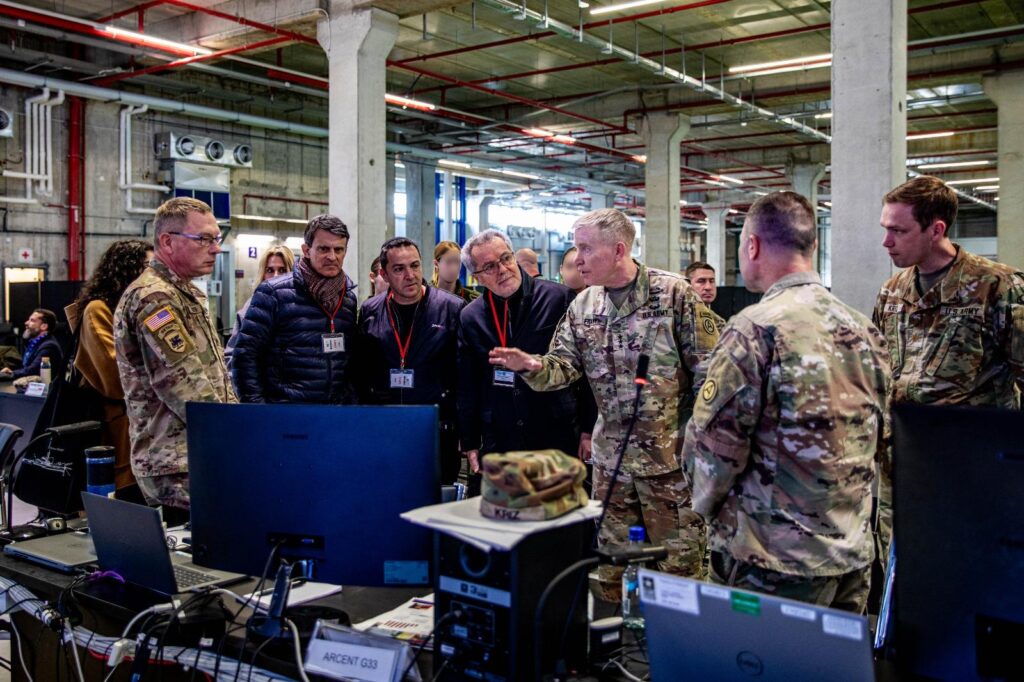
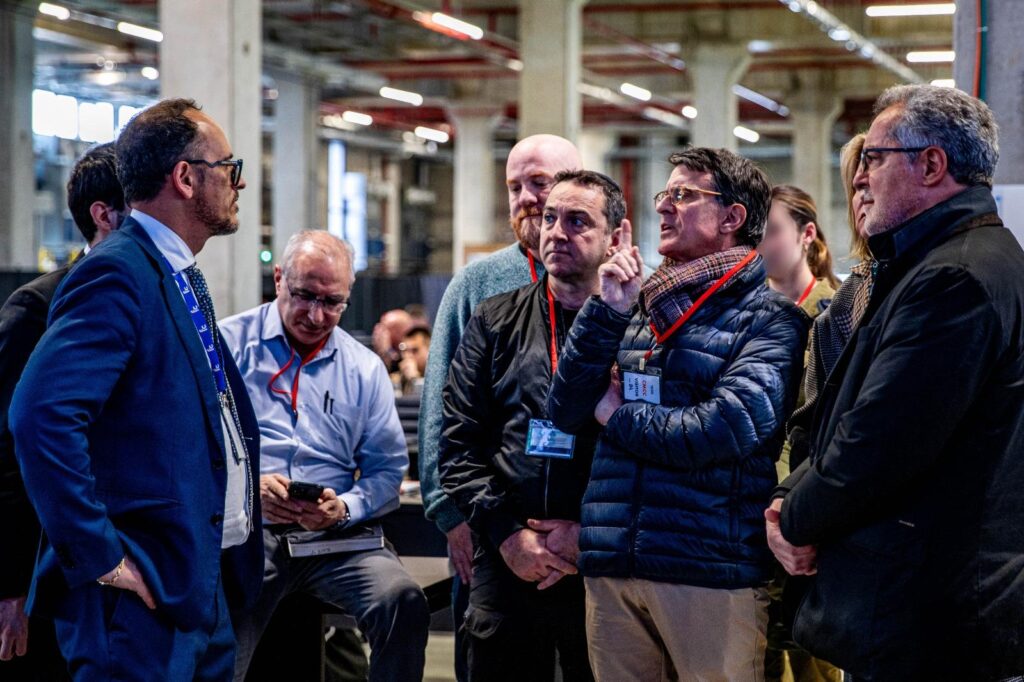
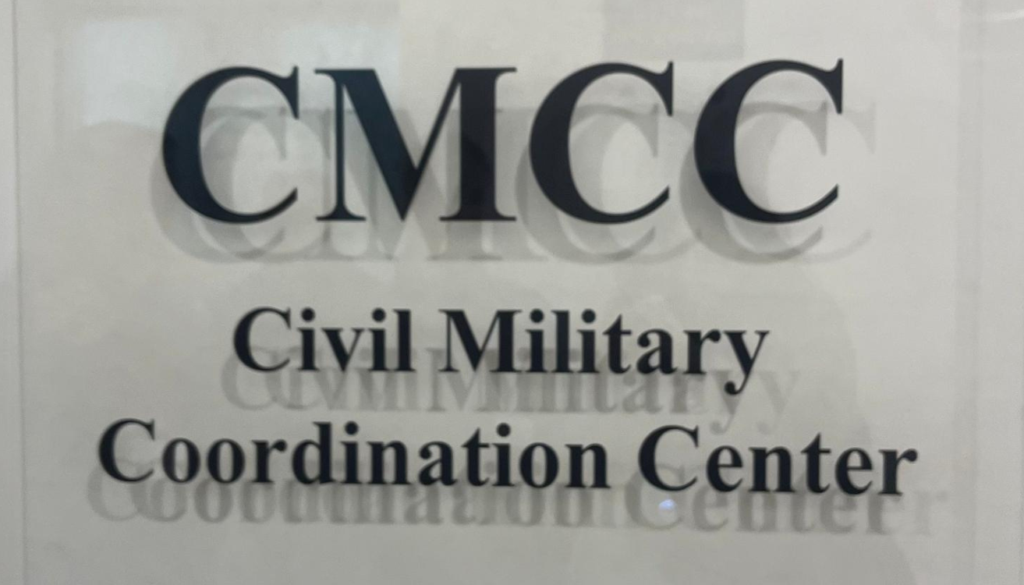
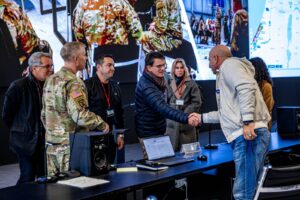
Following this visit, he traveled to the Civil-Military Coordination Center (CMCC), a U.S.-led multinational framework supporting humanitarian coordination and deconfliction related to Gaza.
Pictures Credit: CMCC
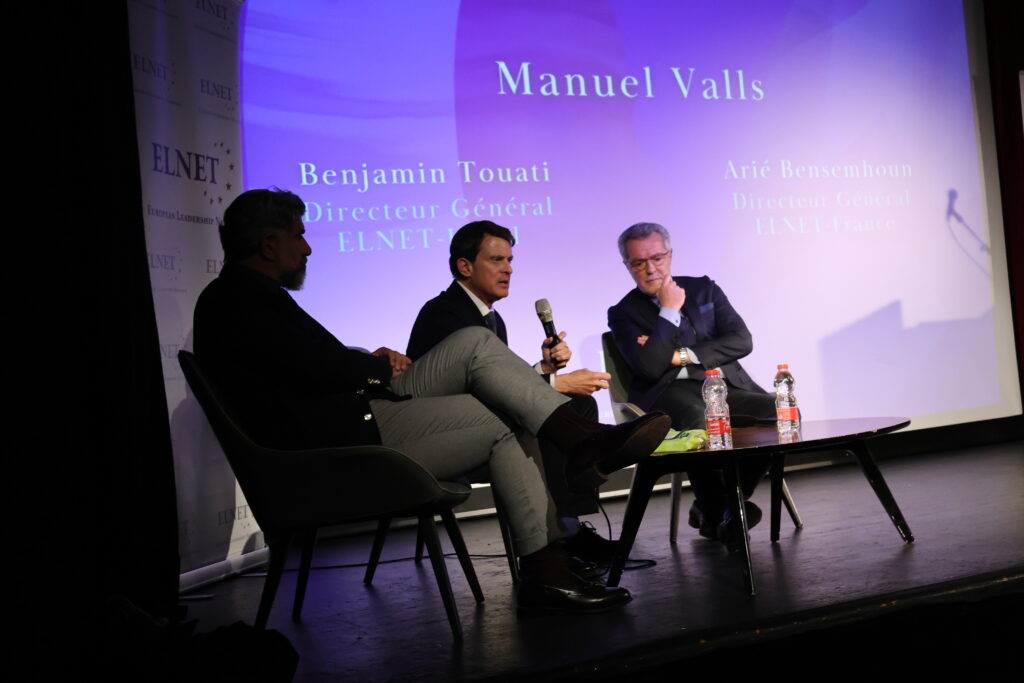
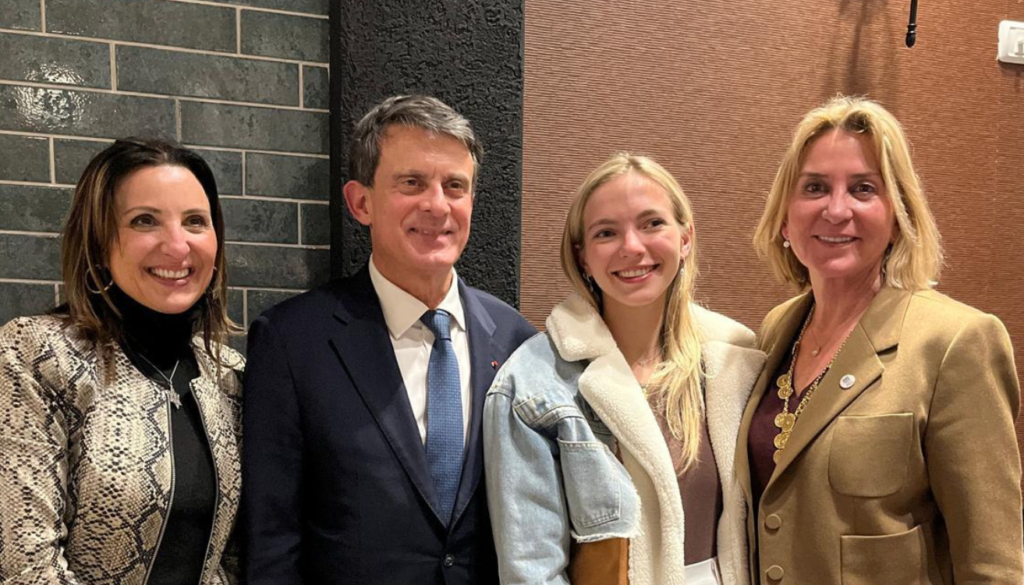
In Tel Aviv, Manuel Valls addressed members of the French-speaking community at an event organized in his honour by ELNET . He spoke about France-Israel relations, regional developments, and the relationship between anti-Zionism and contemporary expressions of hostility toward Jews – an issue on which he has taken a clear position in French public debate for many years. His remarks reflected his longstanding engagement against antisemitism in France and his emphasis on the need to confront hatred of Jews within European societies.
Political and Parliamentary Meetings: Israel’s Institutions and Democratic Debate
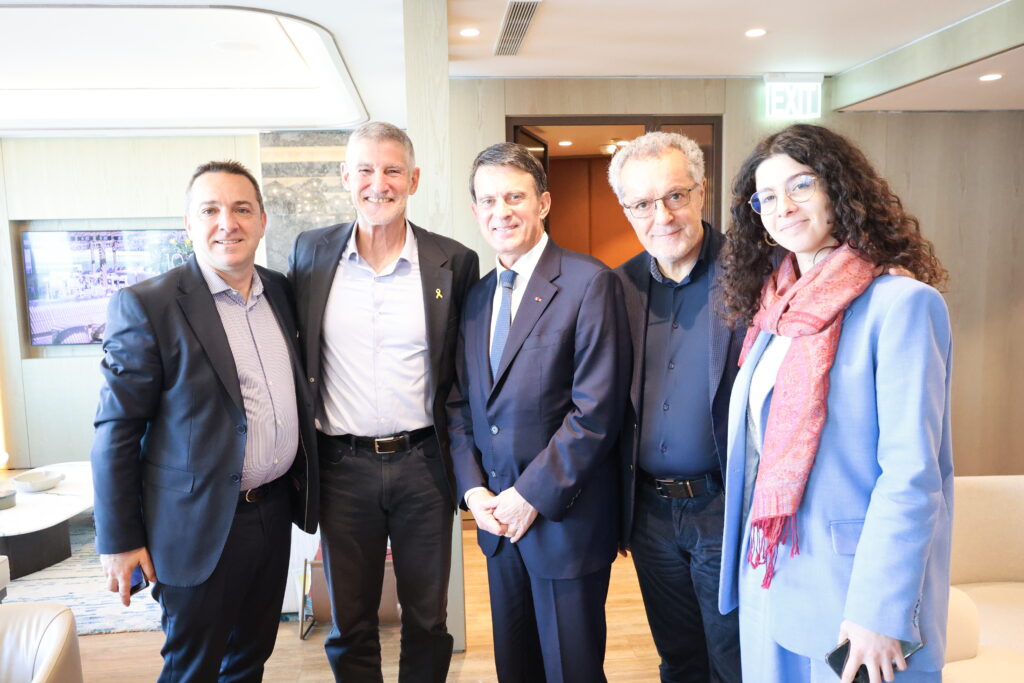
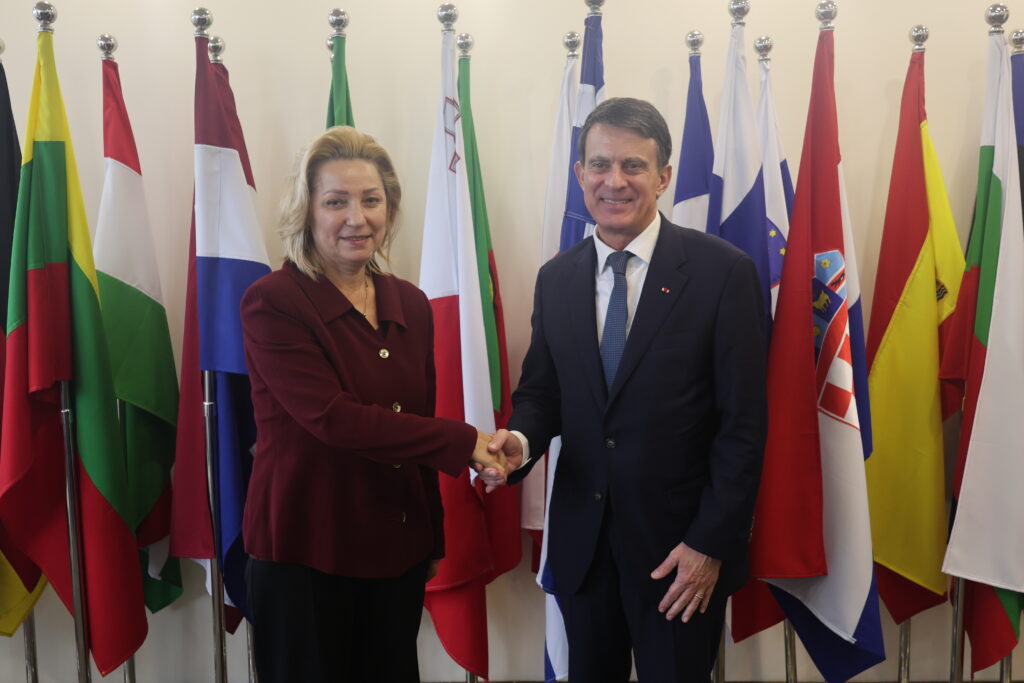
The third day began with meetings in the Tel Aviv area, including a discussion with Major General (Ret.) Yair Golan, former Deputy Chief of Staff of the IDF and leader of the Democrats Party. This was followed by a meeting with EUBAM representatives, and a briefing by Nataliya Apostolova, Head of Mission for EUBAM Rafah addressing security coordination mechanisms, border management challenges, and the operational frameworks guiding European Union engagement in conflict environments.
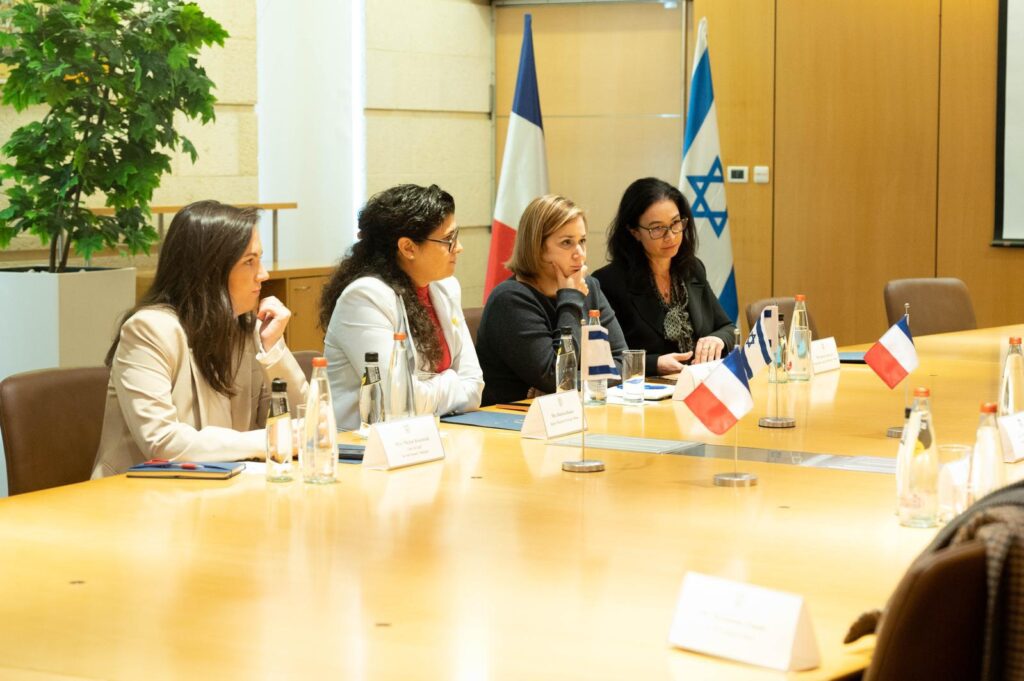
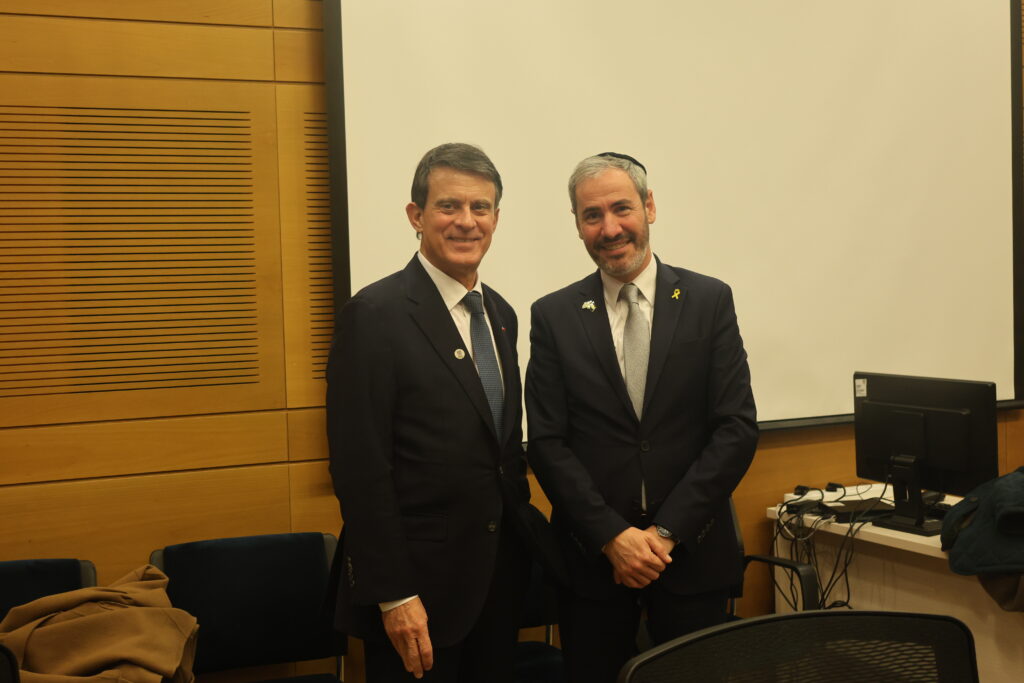
Manuel Valls then traveled to Jerusalem, where the program continued at the Knesset. He met with the heads of the Israel-France parliamentary friendship groups, MK Karin Elharar and MK Yosef Taieb, as well as MK Dan Ilouz. The discussions focused on bilateral relations, the role of parliamentary diplomacy, and the evolving relationship between Israel and France.
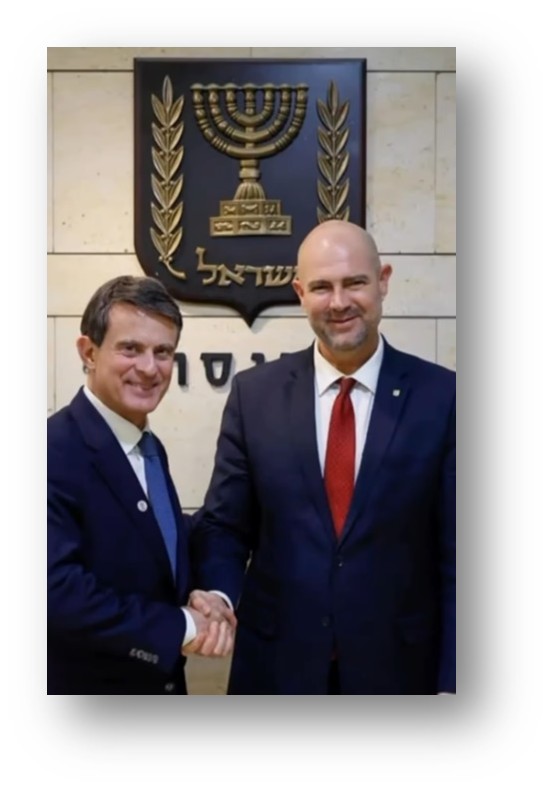
The visit continued with meetings with MK Amir Ohana, Speaker of the Knesset, and MK Boaz Bismuth, Chair of the Foreign Affairs and Defense Committee.
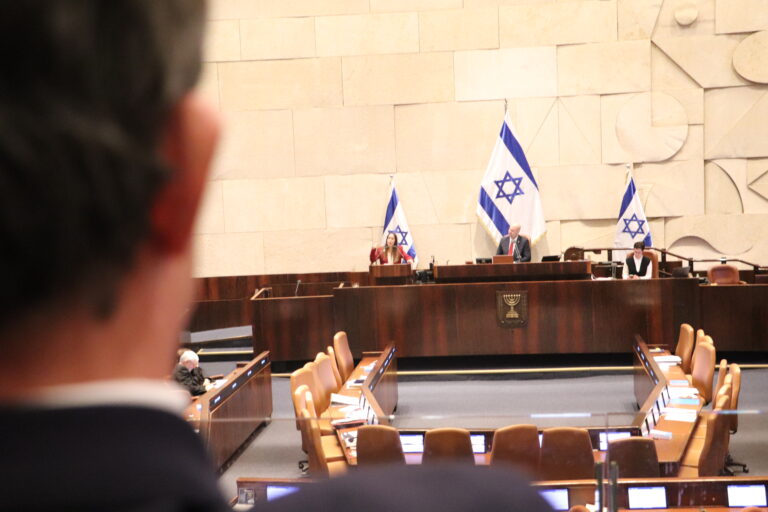
During his presence in the Knesset, Manuel Valls was acknowledged in the Knesset plenum, where he received exceptional and spontaneous applause from Members of Knesset. This gesture, noted as non-routine, reflected the broad appreciation for his longstanding support of Israel.
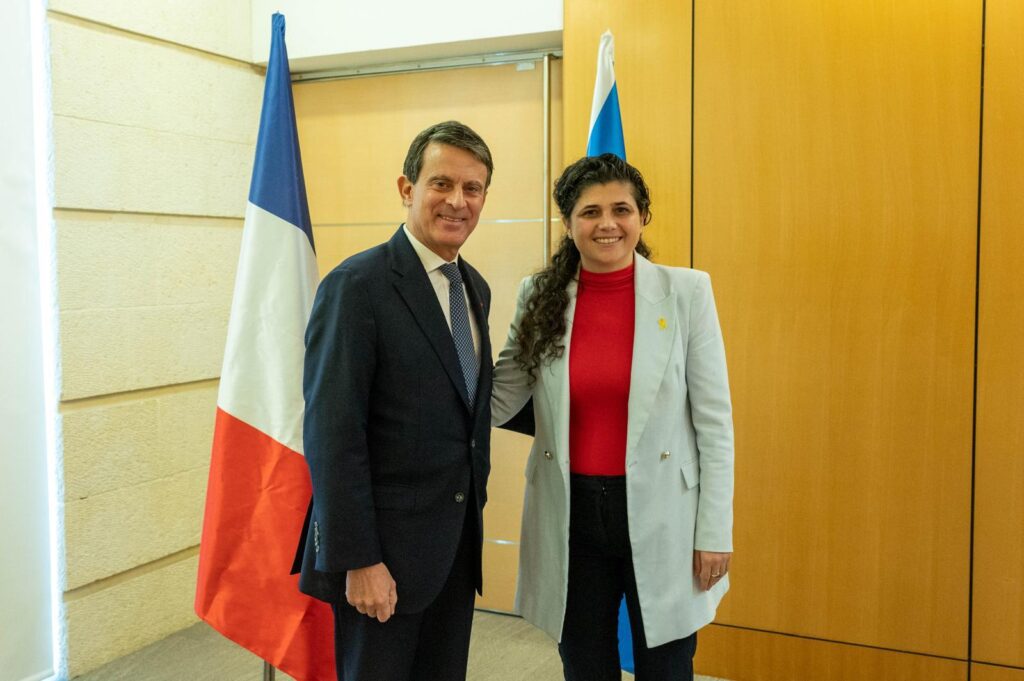
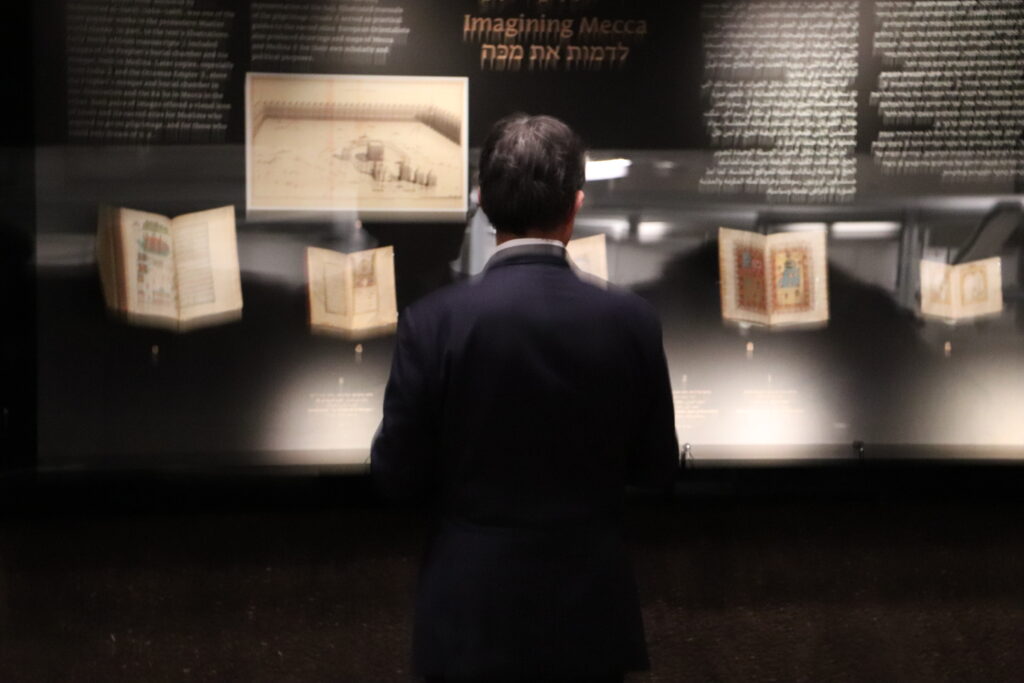
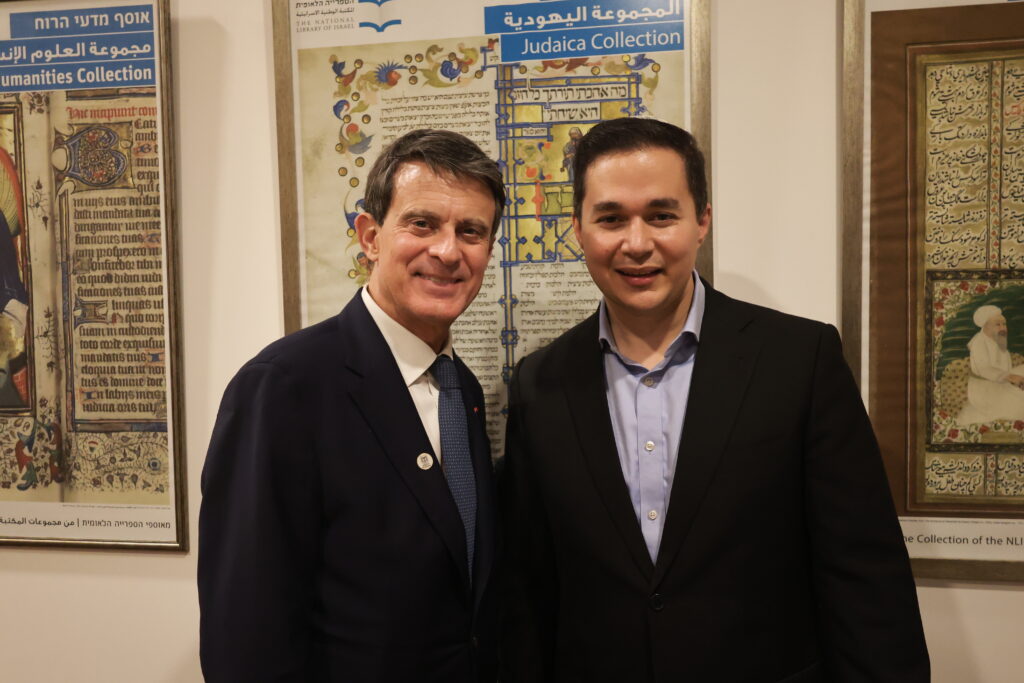
The afternoon continued with a visit to Israel’s National Library where Manuel Valls was introduced to the institution’s role as a cultural and intellectual center preserving the historical, literary, and civic heritage of the State of Israel and the Jewish people. In the evening, Manuel Valls met with MK Sharren Haskel, Deputy Minister of the State of Israel.
Strategic Dialogue and High-Level Institutional Meetings in Jerusalem
Additional meetings were held at the National Security Council, where discussions focused on Israel’s strategic outlook, relations with Europe, and regional developments, including Iran. These exchanges explored the broader international context in which Israel is operating and the evolving dynamics between Israel, France, and European institutions. Manuel Valls also met with former Prime Minister Naftali Bennett.
He also met with a survivor of the Nova Festival massacre, whose testimony underscored the human impact of the October 7 attacks and the long-term consequences for Israeli society. These encounters provided a personal and human perspective alongside strategic and institutional briefings.
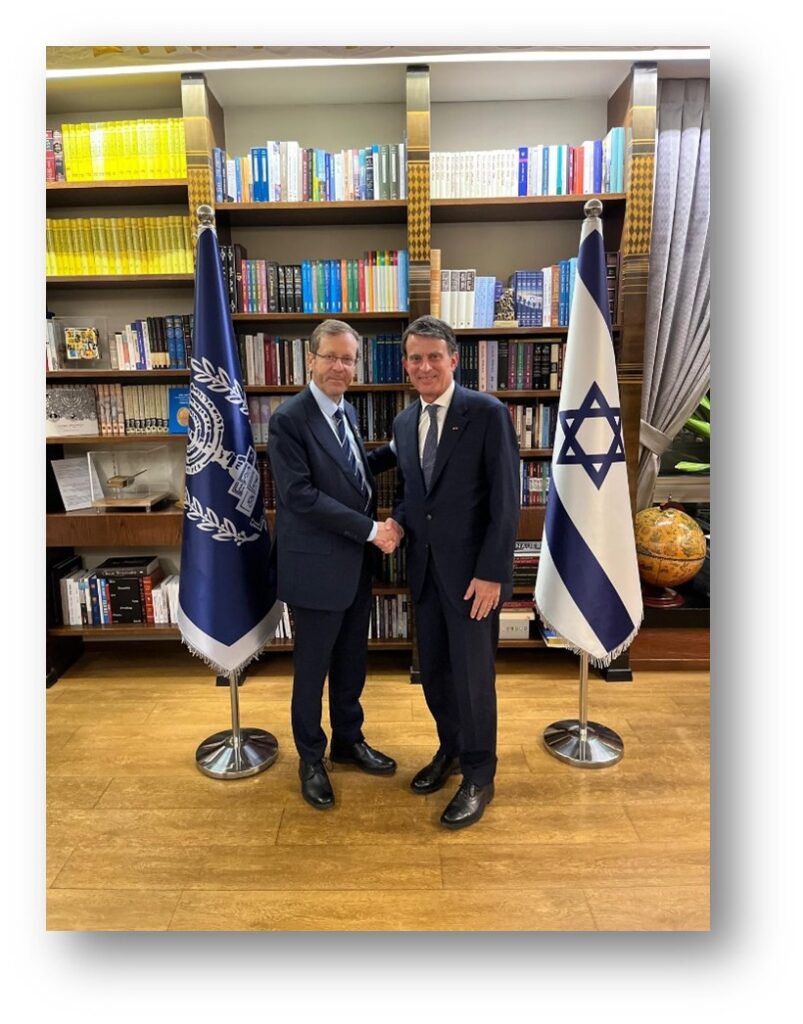
The visit culminated in a meeting with President Isaac Herzog. The conversation addressed France-Israel relations, the challenges facing Israeli society following the October 7 attacks, the persistence of antisemitism in Europe, and the broader regional environment. The meeting highlighted the institutional significance of the visit and the level of engagement it generated within Israel’s leadership.
Manuel Valls, Israel, and the Fight Against Antisemitism in France
Throughout the visit, Manuel Valls engaged with representatives from across Israel’s political spectrum, security establishment, and civil society. The combination of field exposure and high-level dialogue provided a comprehensive overview of Israel’s security challenges, institutional functioning, and societal resilience at a time of ongoing regional tension.
As a former Prime Minister and an influential voice in French public life, Valls occupies a distinct position in debates surrounding Israel, antisemitism in Europe, and the role of France in Middle East diplomacy. The visit offered an opportunity for direct engagement, at a moment when France-Israel relations continue to evolve within a complex diplomatic and political landscape, and when public discourse in France remains deeply shaped by questions of Israel’s security, regional stability, and the fight against the hatred of Jews.